


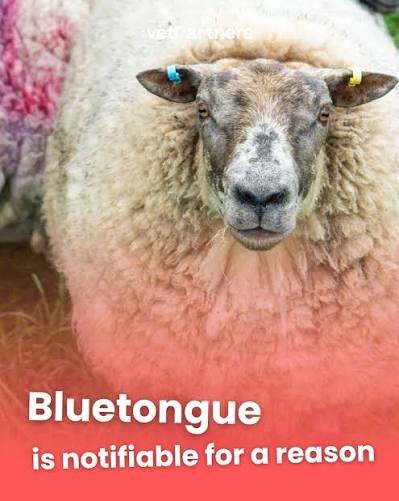
Bluetongue Virus Reaches Latvia: Western Europe Enforces Winter Movement Restrictions as Midges Cool Down
RIGA, Latvia — European veterinary health agencies have confirmed the easternmost expansion of Bluetongue Virus (BTV-3) in Northern Europe, following laboratory confirmation of the virus in cattle by Latvia’s Food and Veterinary Service (PVD). While lower autumn temperatures across France, Germany, and the Netherlands have reduced biting midge (Culicoides) vector activity, national authorities are keeping strict livestock movement controls in place to curb further spread.
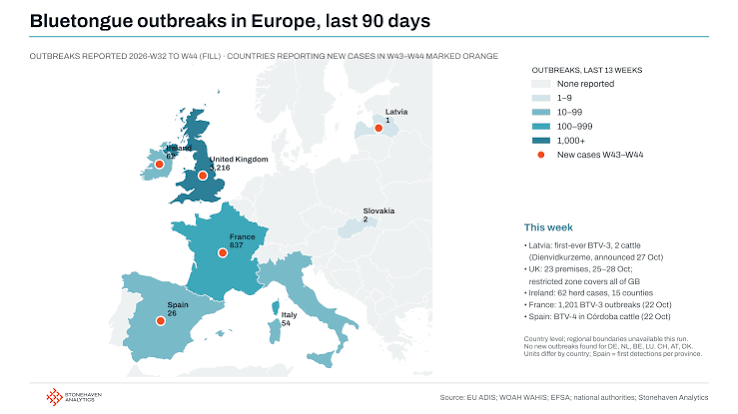
Latvia Confirmation and Regional Vector Dynamics
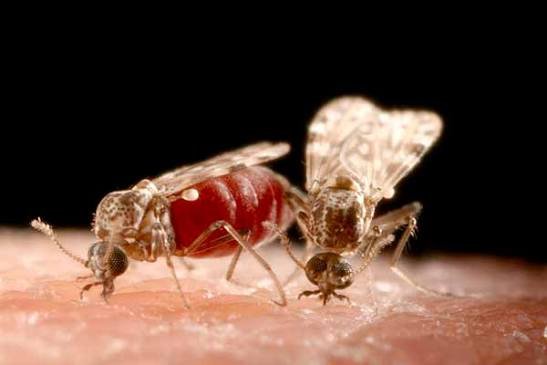
The detection of BTV-3 in cattle in southern Latvia marks a significant geographical shift in the 2026 European outbreak. The virus, which affects ruminants including cattle, sheep, and goats, is primarily transmitted by Culicoides midges rather than direct animal-to-animal contact.
While cooling weather pattern shifts have led to a drop in new weekly infection rates across Western Europe compared to summer peaks, Chief Veterinary Officers across affected member states warn that vector-borne persistence will continue through the winter months.
Regulatory and Trade Implications for Ruminant Producers
To protect domestic livestock supply chains, European regulatory frameworks are applying revised movement conditions:
-
Pre-Movement Testing Mandates: High-risk breeding stock—including adult female cattle and breeding rams—require negative PCR tests, clear serum antibody screenings, or documented proof of vaccination prior to transport.
-
EU Category Reclassification: Under EU Animal Health Law, Bluetongue’s updated category guidelines enforce standardized movement documentation across zone boundaries.
-
Farm-Level Biosecurity Protocols: Producers are advised to establish strict quarantine mobs for new arrivals, maintain precise animal movement logs, and plan spring vaccination schedules to protect against upcoming seasonal vector surges
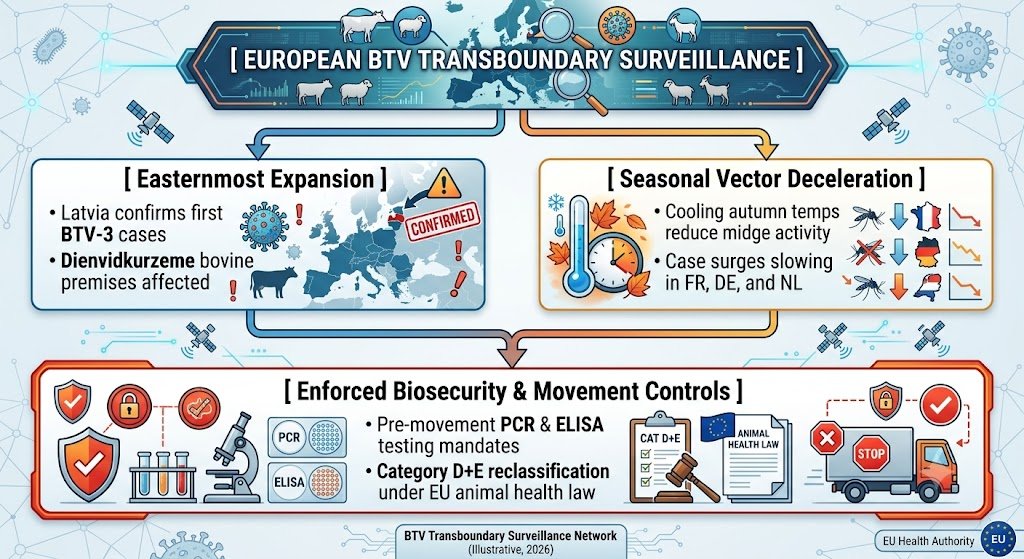

 case in cattle as Western European midge activity slows down with autumn)