HomeLivestockUSDA Confirms First Reported H5N1 Detection in Indiana Dairy Cattle

USDA Confirms First Reported H5N1 Detection in Indiana Dairy Cattle

Indiana records first reported H5N1 detection in dairy cattle as surveillance continues

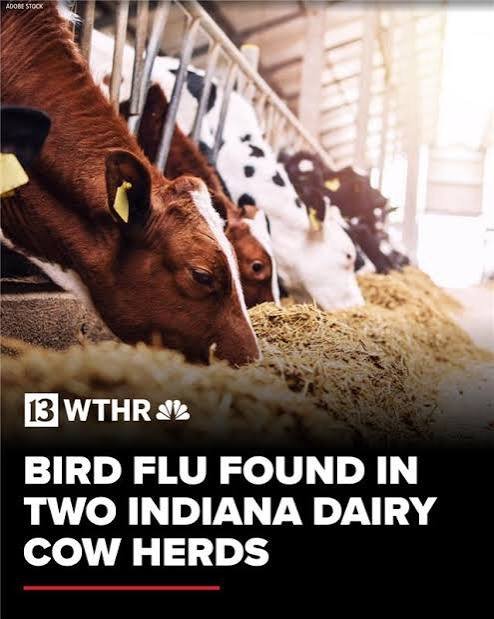
WASHINGTON, DC, 2 November 2026 — The US Department of Agriculture’s Animal and Plant Health Inspection Service (USDA APHIS) confirmed highly pathogenic avian influenza (HPAI) H5N1 genotype B3.13 in a dairy cattle herd in Indiana.

The detection was identified through routine testing under the National Milk Testing Strategy rather than pre-movement surveillance, according to the agency. It represents Indiana’s first reported detection of HPAI in cattle. USDA said it was working with the Indiana State Board of Animal Health on farm investigations, diagnostic testing and epidemiological data collection.

Surveillance remains central to dairy-sector disease control

The US dairy-cattle H5N1 outbreak began in March 2024. USDA noted that cattle infections had been reported in 21 states before this announcement and that detections continued to occur in previously unaffected states during 2026.

The Indiana finding demonstrates the importance of continued surveillance even in areas without previously reported cattle infections. Routine milk testing can provide an additional route for detecting infection and directing further investigations.

USDA reiterated that enhanced biosecurity remains important for dairy farms. Producers are advised to monitor livestock for clinical signs, report concerns to state veterinary authorities and take precautions to reduce the risk of disease introduction or spread between premises.

Food safety and occupational exposure

USDA stated that the detection does not affect the safety of the commercial pasteurised milk supply. Milk from affected animals is diverted from the commercial supply or destroyed, and the agency cited the effectiveness of pasteurisation in inactivating HPAI virus.

The general public risk was described as low, although people with occupational exposure to infected animals or birds should follow relevant public-health guidance.

The distinction between low general-population risk and higher occupational exposure risk remains important for dairy workers, veterinarians, farm contractors and animal-health personnel.

Implications for producers and animal-health companies

The detection reinforces demand for veterinary surveillance, diagnostic testing, farm biosecurity services and clear response protocols. Dairy operators should review animal movement procedures, staff training, equipment hygiene and communication with veterinary authorities.

For diagnostic and animal-health businesses, the evolving situation underscores the value of integrated surveillance programmes that connect laboratory testing, epidemiological investigation and practical farm-level risk management.

Industry takeaway

Indiana’s first reported cattle detection is a reminder that H5N1 surveillance remains a national dairy-sector priority. The immediate operational focus is early detection, containment and maintaining confidence in the safety controls surrounding commercial milk.

Animal Health India Editorial Team
Animal Health India Editorial Teamhttps://animalhealthindia.com
Animal Health India (AHI) is an independent news and intelligence platform covering the global animal health, veterinary, livestock, poultry, companion animal and pet food sectors. Our editorial team comprises veterinary journalists, animal health professionals, regulatory affairs specialists and industry analysts with over 30 years of combined experience covering India, Asia, Europe and North America. AHI publishes news, regulatory updates, market intelligence and company news drawn from primary sources including DAHD, EMA, USDA, AVMA and leading veterinary publications worldwide.

RELATED ARTICLES