


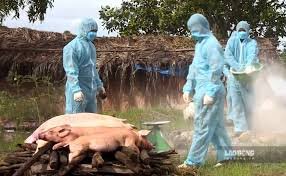
ASF continues to threaten Vietnam’s pig production sector
African swine fever (ASF) continues to create substantial challenges for Vietnam’s pig industry, with Ca Mau province reporting widespread disease activity across 28 communes and wards.
As of 13 November 2026, the outbreak had affected 227 livestock households, resulting in the culling of 2,831 pigs with a combined reported weight of approximately 183 tonnes.
Provincial veterinary officials have warned that the risk of further spread remains high, particularly as animal movements and restocking increase towards the end of the year.
Outbreak distribution and mortality
The reported disease situation demonstrates the scale of the challenge facing the province.
| Parameter | Reported figures |
|---|---|
| Affected communes and wards | 28 |
| Affected households | 227 |
| Pigs culled | 2,831 |
| Approximate total weight | 183 tonnes |
| Particularly affected area | Chau Thoi |
Chau Thoi has been among the most affected areas.
Since early October, outbreaks in the commune have involved 13 hamlets and 29 households, resulting in the culling of approximately 500 pigs weighing more than 29 tonnes. One farmer lost 57 pigs after the animals developed fever and reduced appetite.
Why is ASF continuing to spread?
Local veterinary authorities have identified several contributing factors.
1. Persistence of the virus in farm environments – ASF virus can remain infectious in contaminated environments and materials, making effective cleaning and disinfection essential.
2. Small-scale farming systems – Household farms may have limited capacity to implement controlled entry, quarantine and separation between production units.
3. Inadequate animal isolation – The introduction of new pigs without appropriate quarantine can expose existing herds to infection.
4. Increased movement towards year-end – Restocking, trading and transport activity can increase opportunities for transmission.
Government response
Authorities are strengthening disease surveillance and farm biosecurity. The reported response includes:
-
Disinfection of livestock premises
-
Veterinary training for farmers
-
Surveillance of animal markets and slaughterhouses
-
Controls on animal transport
-
Monitoring of farms in affected communes
-
Enforcement against illegal movement or sale of infected pigs
The province has also reported vaccination and training activities, including 5,864 ASF vaccine doses administered against its stated programme target.
Implications for Vietnam’s pig industry
ASF-related culling creates direct economic losses for farmers and can disrupt local pork supply chains. The consequences extend to:
-
Reduced breeding capacity
-
Loss of replacement stock
-
Increased restocking costs
-
Higher farm biosecurity expenditure
-
Market price volatility
-
Reduced confidence among smaller producers
Animal-health industry opportunities
The continuing outbreak highlights demand for integrated swine-health solutions. Potential areas include:
-
PCR-based ASF diagnostics
-
Validated disinfectants
-
Farm-entry biosecurity systems
-
Piglet sourcing and quarantine programmes
-
Vaccination where authorised and appropriate
-
Digital herd surveillance
Ca Mau is an important example of why ASF management must combine vaccination, movement controls, surveillance and farm-level biosecurity. No single intervention can substitute for a comprehensive disease-control programme.

