HomeSwineAfrican Swine Fever Kills Thousands of Pigs in Nigeria as Hundreds of...

African Swine Fever Kills Thousands of Pigs in Nigeria as Hundreds of Farms Shut Down

Jos, Nigeria, July 11, 2026: A serious outbreak of African swine fever in Plateau State, Nigeria, has killed thousands of pigs and forced hundreds of pig farms to close, leaving farmers facing losses estimated in billions of naira.

Pig farmers say the disease is spreading through major pig-producing areas of the state and threatening the future of local pork production. Nigerian newspapers The Punch and The Sun both reported the outbreak on July 11.

More than 1,000 pigs reported dead

Initial reports said more than 1,000 pigs had died. Farmer accounts cited in later coverage described the death toll as running into thousands.

Hundreds of farms have reportedly stopped operations following the outbreak. Farmers say years of investment have been wiped out within a short period.

The financial impact is already being described as severe, with industry representatives estimating losses in the billions of naira. These remain farmer and industry estimates; a detailed official assessment of total losses has not yet been published in the sources reviewed.

What is African swine fever?

African swine fever, commonly known as ASF, is a serious viral disease that affects domestic pigs and wild pigs.

It does not infect people. For pigs, however, the disease can be devastating. Outbreaks can cause high death rates and spread rapidly where movement of pigs, contaminated equipment, vehicles, clothing or infected pork products is not properly controlled.

The World Organisation for Animal Health continues to list African swine fever as a major global animal health threat. Its 2026 animal health report highlights the continuing international importance of ASF control and disease reporting.

Plateau State pig farmers face a major financial crisis

The latest outbreak is particularly important because pig farming provides income and employment for many households in Plateau State.

Unlike larger companies, small and medium-sized pig farmers may have most of their savings tied up in animals, housing and feed.When ASF enters a farm, the financial impact can be immediate.

A farmer can lose breeding pigs, young animals and pigs that were almost ready for sale. At the same time, the farm may need to stop production and spend money on cleaning and disease control.

This helps explain why Plateau farmers are warning that the present outbreak could push many producers out of business.

No simple treatment is available for infected pigs. One of the biggest challenges with African swine fever is that farmers cannot simply treat infected pigs with antibiotics. Antibiotics do not kill the ASF virus.

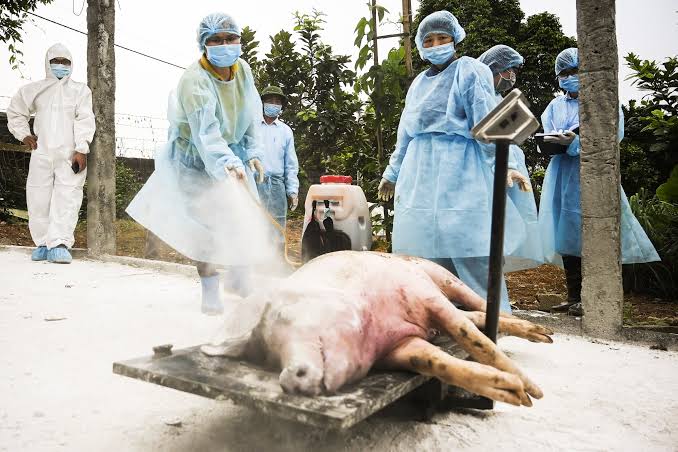
Disease control therefore depends heavily on finding infected animals quickly, restricting pig movement, safely dealing with dead animals and thoroughly cleaning farms.

African animal health experts have also been increasing their focus on ASF vaccine standards and vaccination strategies, although vaccine use remains a complex and closely controlled area.

Farm hygiene and pig movement are now critical

The Plateau outbreak again shows why basic farm disease protection is so important.

Farm workers moving between pig farms, shared vehicles, contaminated boots and equipment, and uncontrolled movement of pigs can increase the risk of disease spread.

Farmers also need to be extremely careful about feeding pigs food waste that may contain contaminated pork.

During an outbreak, even simple measures such as limiting visitors, cleaning footwear and equipment, separating newly purchased pigs and quickly reporting sudden pig deaths can become critical.

Nigeria has faced major ASF losses before

African swine fever is not a new threat to Nigeria’s pig industry. Previous outbreaks have caused very large losses. The country’s pig sector continues to face challenges linked to farm disease protection, movement of animals and the ability to quickly detect and contain outbreaks. Recent Nigerian pig-sector research continues to identify ASF as a major threat to farmers and industry growth.

The latest Plateau State outbreak shows that the disease remains a serious economic risk.

Farmers call for urgent government support

Affected farmers are now calling for stronger intervention to stop further spread and help farms survive the financial damage. The immediate priority will be to establish the true size of the outbreak, identify affected areas and prevent infected pigs or contaminated materials from moving to unaffected farms.

Clear official information will also be important. As of the material reviewed for this report, the most detailed July 11 figures come from Nigerian media reports based on farmer accounts. I did not find a matching Plateau State ASF immediate notification on WOAH’s Africa notification page, which currently lists other recent African animal disease events.

Plateau outbreak is a warning for Nigeria’s pig industry

The numbers reported from Plateau State are already serious: more than 1,000 pigs initially reported dead, later farmer reports of thousands of deaths, hundreds of farms shut and losses estimated in billions of naira.

For Nigeria’s pig industry, the outbreak is another warning that African swine fever is not only an animal disease problem.

It can destroy farm income, close businesses and disrupt local pork production within weeks.

The next few days will be important in determining the full scale of the Plateau State outbreak and whether stronger disease controls can prevent further spread.

Animal Health India Editorial Team
Animal Health India Editorial Teamhttps://animalhealthindia.com
Animal Health India (AHI) is an independent news and intelligence platform covering the global animal health, veterinary, livestock, poultry, companion animal and pet food sectors. Our editorial team comprises veterinary journalists, animal health professionals, regulatory affairs specialists and industry analysts with over 30 years of combined experience covering India, Asia, Europe and North America. AHI publishes news, regulatory updates, market intelligence and company news drawn from primary sources including DAHD, EMA, USDA, AVMA and leading veterinary publications worldwide.

RELATED ARTICLES