


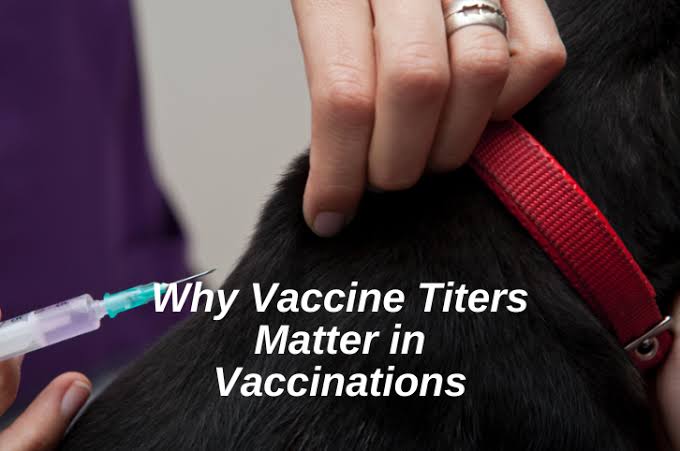
Understanding the Growing Role of Antibody Titers Testing in Companion Animal Preventive Care, to understand protective role of pet animals’ vaccines.
Routine pet animals’ vaccination remains one of the most effective tools for preventing potential infectious diseases in dogs and cats. However, an increasing number of veterinarians are now using antibody titer testing to help determine whether an individual animal still has protective immunity against certain diseases before administering booster vaccinations and also to understand immunity conferred by a particular vaccine.
The topic recently gained attention on Vet Watch, (hyperlinked) where veterinary experts discussed what antibody titers can—and cannot—tell clinicians about a patient’s immune protection and why in-clinic testing may become a more common part of preventive healthcare.
While antibody titers are valuable diagnostic tools, experts emphasise that they should be interpreted carefully and within the context of each patient’s vaccination history, age, health status and disease risk.
What Is an Antibody Titer?
An antibody titer is a laboratory measurement that estimates the level of specific antibodies circulating in an animal’s blood following vaccination or natural infection.
Rather than measuring the vaccine itself, the test measures the immune system’s response to vaccination.
Higher antibody concentrations generally indicate that the immune system has previously recognised the disease-causing organism and retains immunological memory. In companion animal medicine, antibody titers are most commonly used for core viral diseases, including:
Dogs
Canine parvovirus
Canine distemper virus
Canine adenovirus
Cats
Feline panleukopenia virus
For these infections, decades of research have shown that measurable antibodies usually correlate well with protective immunity.
What Antibody Titers Can Tell Veterinarians
A positive antibody titer provides strong evidence that the patient has protective immunity against several core viral diseases.
Numerous studies and international vaccination guidelines have demonstrated that dogs and cats with detectable antibodies against core viruses are highly unlikely to develop clinical disease if exposed. This information can help veterinarians:
-
Confirm successful vaccination
-
Assess immunity in adult animals with unknown vaccination histories
-
Support vaccination decisions for animals with previous vaccine reactions
-
Reduce unnecessary revaccination in appropriately protected patients
-
Provide reassurance for breeders, shelters and owners of senior pets
For many healthy adult dogs and cats, antibody titer testing can support a more individualised preventive care plan.
What Antibody Titers Cannot Tell You
Although useful, antibody titers have important limitations. A titer does not measure the entire immune system. Protection against infectious disease depends on several components, including:
-
Memory B cells
-
T lymphocytes
-
Cell-mediated immunity
-
Innate immune responses
These immune mechanisms may continue to provide protection even when circulating antibody levels decline below laboratory detection limits. For this reason, a low or negative antibody titer does not always mean an animal is completely unprotected.
Similarly, antibody testing is not considered reliable for determining protection against every vaccine-preventable disease. Current evidence does not support routine antibody testing for many bacterial vaccines, including Leptospira, or for diseases such as Bordetella bronchiseptica, where immunity depends on complex mucosal and cellular immune responses.
Why Titer Testing Is Becoming More Popular
Several factors are driving increased interest in antibody testing. Pet owners are becoming more informed about preventive healthcare and are increasingly asking whether annual booster vaccinations are always necessary.
At the same time, veterinary medicine is moving toward more personalised care based on scientific evidence rather than fixed vaccination schedules.
Rapid in-clinic antibody testing has also become easier to perform, providing results during routine wellness visits in many practices.
This allows veterinarians to combine physical examinations, preventive health assessments and immunity testing during a single appointment.
Current International Guidelines
The World Small Animal Veterinary Association (WSAVA) and the American Animal Hospital Association (AAHA) recognise antibody titer testing as a useful tool for assessing immunity to core canine and feline viral diseases.
Both organisations emphasise that:
-
A positive titer generally indicates protective immunity
-
Routine revaccination is usually unnecessary when adequate immunity is demonstrated for core viral vaccines
-
Clinical judgement remains essential when interpreting results
The guidelines also stress that vaccination decisions should always consider disease prevalence, travel, boarding requirements, local regulations and the animal’s overall health.
Which Patients May Benefit Most?
Antibody titer testing can be particularly useful for:
-
Senior dogs and cats
-
Animals with previous vaccine adverse events
-
Pets with uncertain vaccination records
-
Breeding animals
-
Imported or rescued animals
-
Animals with chronic medical conditions where vaccination decisions require individual assessment
Some veterinarians also use antibody testing before administering booster vaccinations to healthy adult pets that have completed their primary vaccination series.
Does Titer Testing Replace Vaccination?
No. Puppies and kittens should still receive their recommended primary vaccination series because maternal antibodies can interfere with early vaccine responses.
Booster vaccinations remain essential for establishing long-term immunity during the first year of life. For many non-core vaccines, regular revaccination continues to be recommended based on individual risk assessments.
Antibody testing should therefore be viewed as a complementary tool—not a replacement—for evidence-based vaccination programmes.
Looking Ahead
Advances in rapid diagnostic technologies are making antibody testing increasingly accessible in veterinary practice.
As personalised preventive medicine continues to evolve, many experts believe antibody titers will become an important component of routine wellness care for selected companion animals, helping veterinarians make informed vaccination decisions while maintaining strong protection against serious infectious diseases.
The key message remains clear: antibody titers are powerful tools when used appropriately, but they must always be interpreted alongside clinical judgement, vaccination history and current vaccination guidelines.
Key Takeaways
-
Antibody titers measure immune response, not the vaccine itself
-
Positive titers correlate strongly with protection against core viral diseases such as canine distemper, canine parvovirus, canine adenovirus and feline panleukopenia
-
Titers do not measure the full immune system, including cell-mediated immunity
-
A negative titer does not automatically mean an animal lacks protection
-
Titer testing is not recommended for every vaccine or every disease
-
WSAVA and AAHA recognise antibody testing as a valuable tool for guiding vaccination decisions in appropriate patients
-
In-clinic rapid testing is making personalised preventive veterinary care more practical than ever
Select References:
-
World Small Animal Veterinary Association (WSAVA) Vaccination Guidelines for Dogs and Cats (latest update)
-
American Animal Hospital Association (AAHA). 2022 Canine Vaccination Guidelines
-
Schultz RD. Duration of immunity and antibody titers in companion animals
-
Day MJ, Horzinek MC, Schultz RD, Squires RA. WSAVA Vaccination Guidelines
-
Vet Watch Podcast. What antibody titers can—and can’t—tell you about a patient’s protection

