


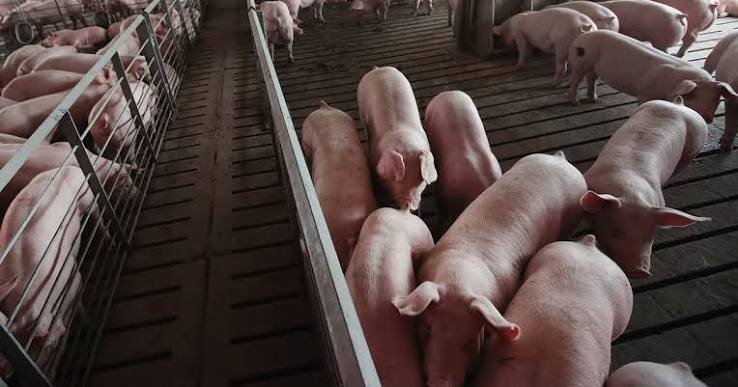
The investment will support large-scale US trials of Nutrivert’s LDPP immune stimulant, which is being evaluated as a potential non-antibiotic intervention to improve disease resistance and production performance in pigs.
The animal-health biotechnology investment landscape has gained another interesting development with Australian-founded, Singapore-based Arrow Ventures committing up to US$4.85 million to US-based Nutrivert.
The funding will support the continued development and evaluation of Nutrivert’s LDPP product in large-scale commercial swine trials involving approximately 4,800 pigs at sites in the US Midwest. The investment comes at a time when the global livestock industry is under increasing pressure to reduce unnecessary antimicrobial usage while maintaining animal health, welfare and production efficiency.
What is Nutrivert developing?
Nutrivert is evaluating LDPP as a novel immune stimulant intended to strengthen disease resistance, reduce inflammation and support livestock growth.
The programme is designed to investigate whether the product can offer producers an additional tool for managing disease-related production losses without relying exclusively on conventional antibiotic interventions.
The proposed development pathway includes further evaluation and progression towards regulatory approval as a veterinary medicine in the United States. Importantly, LDPP remains an investigational product. The investment and ongoing trials should not be interpreted as proof of efficacy or regulatory approval.
Inside the 4,800-pig trial programme
The trials are particularly interesting because they compare different treatment strategies under commercial production conditions. The reported trial groups include:
-
Pigs receiving LDPP
-
Pigs receiving conventional antibiotics
-
Pigs receiving neither intervention
-
Pigs receiving LDPP in combination with antibiotics
This comparison is intended to help establish the product’s potential contribution relative to existing production practices For commercial pig producers, the most meaningful outcome will be whether any improvement in health translates into measurable productivity and financial benefits.
Why the swine industry needs alternatives to conventional antibiotic interventions
Antimicrobial resistance is a major One Health concern. In intensive pig production, antibiotics have historically been used to manage bacterial infections and disease-associated production losses. However, responsible antimicrobial stewardship requires appropriate diagnosis, treatment and reduced dependence on unnecessary or routine antibiotic use.
The development of non-antibiotic interventions is therefore receiving increasing attention. Potential approaches include:
-
Immune stimulants.
-
Probiotics.
-
Prebiotics.
-
Postbiotics.
-
Organic acids.
-
Functional feed additives.
-
Vaccination.
-
Improved farm biosecurity.
-
Precision disease monitoring.
These technologies should be evaluated according to their ability to deliver measurable animal-health benefits rather than simply being marketed as antibiotic alternatives.
Arrow Ventures’ wider investment ambitions
Arrow Ventures was founded by Australian veterinary pharmaceutical entrepreneur Nick Bova and operates from Singapore.
Alongside its investment in Nutrivert, the company is seeking up to US$125 million in direct investment into its Singapore-based veterinary biotechnology fund. The fund is intended to support emerging companies developing new therapeutics for livestock and companion animals.
Arrow Ventures has indicated that it has reviewed nearly 100 animal-health biotechnology companies over the preceding 12 months and has active investments in five businesses, including Nutrivert. This suggests that the firm is positioning itself as a specialist investor in veterinary biotechnology rather than a conventional generalist venture-capital fund.
Commercial implications for animal-health companies
The Nutrivert programme is relevant to pharmaceutical companies, feed-additive manufacturers and biotechnology investors. If the technology eventually demonstrates consistent efficacy, potential applications could extend across livestock production systems.
The competitive landscape includes established companies with nutritional, biological and veterinary pharmaceutical capabilities, including Elanco, Phibro Animal Health, Zoetis, MSD Animal Health, Boehringer Ingelheim and specialist feed-additive manufacturers.
However, the commercial opportunity will depend on the product’s final regulatory classification, approved claims, manufacturing economics and field performance.
What to watch next
The most important milestones will be the completion of the 4,800-pig trials, publication of the results and clarity on the US regulatory pathway.
Particular attention should be paid to whether LDPP can demonstrate a reproducible improvement in feed efficiency, disease resilience and economic returns. The investment is an encouraging signal for the livestock biotechnology sector. More importantly, it highlights the growing appetite for scientifically validated technologies that can improve production-animal health while supporting responsible antimicrobial use.

