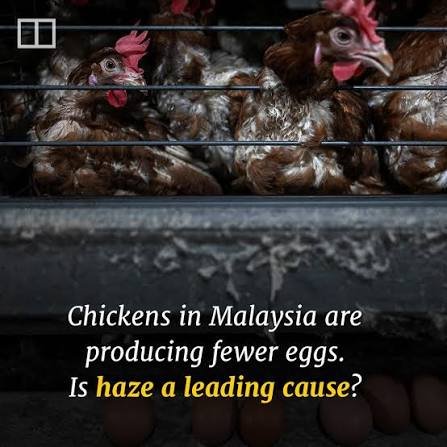


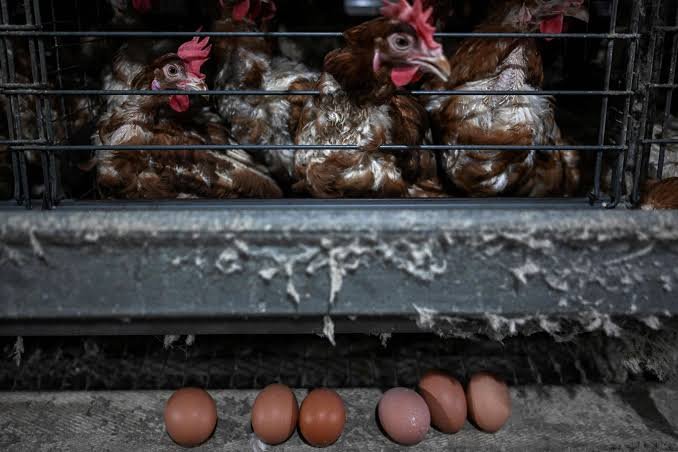
KUALA LUMPUR, September 30, 2026: Malaysia’s livestock sector is facing a combination of heat stress, haze, water shortages and higher feed costs, with farmers reporting weaker egg, poultry and milk production in some operations. The emerging situation highlights the growing intersection between climate conditions, animal health and farm economics.
Farmers and industry representatives report that prolonged hot weather has increased the difficulty of maintaining animal productivity, particularly for smaller operations with limited access to climate-controlled housing and veterinary support.
Poultry producers have reported slower growth and, in some cases, increased mortality among laying hens, while dairy producers have experienced reductions in milk output. However, veterinarians caution that the contribution of haze and particulate pollution cannot be separated easily from heat, water availability, feed, housing and disease.
For poultry producers, ventilation and cooling have become important operational investments. Small-scale farmers have installed fans and misting systems, while some operators are investing in more extensive ventilation, solar power and automated cooling infrastructure.
The economic impact can be significant for smaller producers. Dairy farmer Ari Ramash Supramaniam reported a reduction of approximately 4–6 litres of milk per day from five cows, while additional expenditure on grass, molasses, water and feed has been required to maintain animal condition during the heat.