


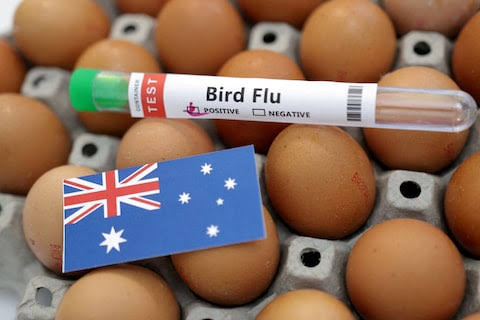
The deadly H5 bird flu has reached Queensland’s coastline for the first time as detections in wild seabirds across Australia climb to 17, after a little over 1 month when first case of H5N1 in Australia was detected, sparking fresh warnings for vulnerable wildlife.
A dead petrel found on Moreton Island returned an initial positive result for highly pathogenic H5 avian influenza at the Queensland government’s Biosecurity Sciences Laboratory.
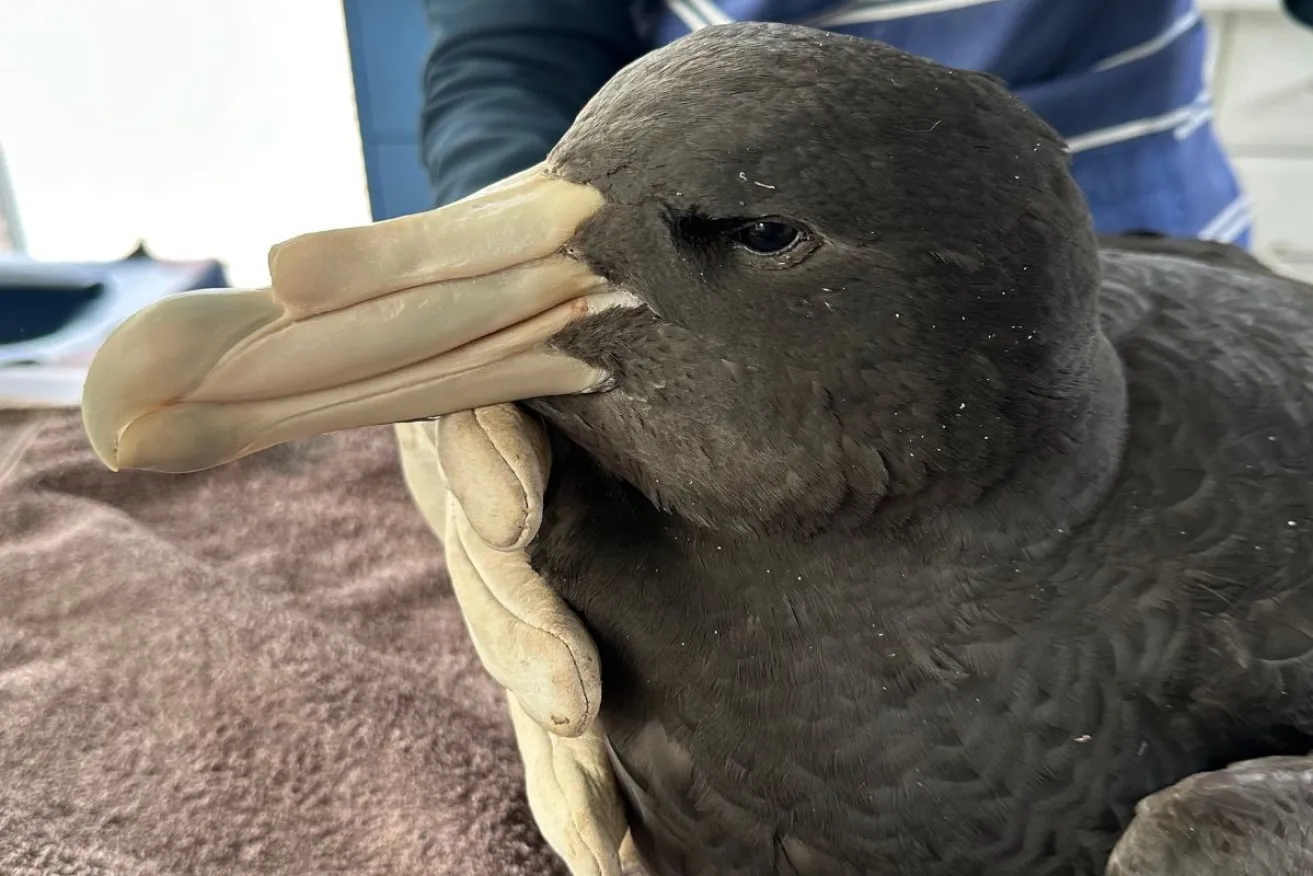
The discovery marks a northern extension of Australia’s ongoing wild bird surveillance effort, following previous isolated detections in Western Australia, South Australia, and New South Wales.
Testing and Verification Details
Initial testing conducted at the state government’s Biosecurity Sciences Laboratory in Brisbane confirmed a positive sample for the H5 strain.
-
Current Status: The sample from the dead giant petrel has been sent to the CSIRO’s Australian Centre for Disease Preparedness in Geelong for final verification.
-
Surveillance Track Record: Biosecurity Queensland has investigated hundreds of public reports across the state, with previous suspected cases—including a giant petrel recovered in Noosa—testing negative.
Agricultural Safety and Human Health
Queensland authorities emphasized that the single positive case does not pose an immediate threat to the food supply chain or commercial agriculture.
-
Zero Poultry Involvements: Chief Veterinary Officer Dr. Allison Crook confirmed there have been no detections in commercial poultry farms or egg production facilities anywhere in the state
-
No Wildlife Mass Mortality: Officials noted there is no evidence of widespread bird deaths or mass mortality events among native animal populations in Queensland
-
Food Safety Reassurance: Primary Industries Minister Tony Perrett reassured the public that chicken meat and eggs remain completely safe to buy and consume as normal
Public Guidance and Prevention
The Queensland Department of Primary Industries is maintaining active surveillance and advising the public to follow standard safety precautions:
-
Avoid Physical Contact: Do not touch, move, or collect sick or dead wild birds or wildlife
-
Keep Pets Away: Ensure children and domestic pets stay clear of washed-up seabirds along coastal areas
-
Report Immediately: Members of the public who spot unusual wild bird deaths should record the location and call Australia’s 24/7 Emergency Animal Disease Hotline (1800 675 888)

