



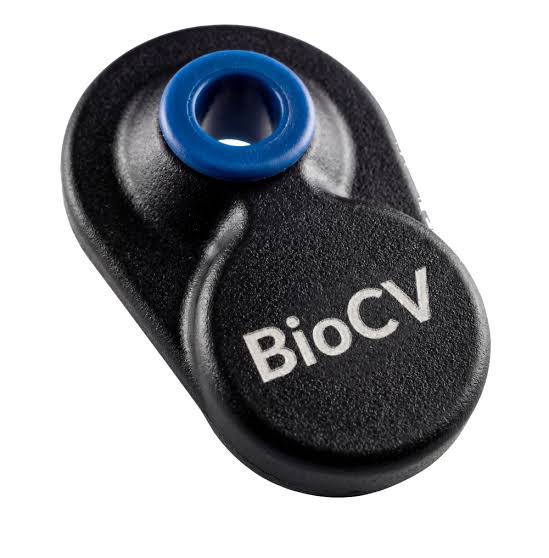
Global swine industry is rapidly embracing digital technologies that enable producers to monitor animal health continuously rather than relying solely on routine visual inspections. Adding to this transformation, BioCV Inc. has launched the BioCV Intelligent Sow Monitoring System, an advanced precision livestock platform built around a smart ear tag that continuously measures each sow’s body temperature, movement and behavioral patterns in real time.
The launch represents another important milestone in the evolution of Precision Livestock Farming (PLF), where artificial intelligence, sensor technologies and data analytics are helping producers improve animal welfare, detect disease earlier and optimize farm management.
As commercial pig farms continue to expand in size while facing labour shortages and increasing biosecurity challenges, technologies capable of monitoring every animal around the clock are becoming valuable management tools.
Precision Livestock Farming Is Reshaping Swine Production
Traditionally, detecting illness in pigs has depended heavily on stockpersons visually observing animals during daily rounds. However, subtle signs of disease often develop long before obvious clinical symptoms appear. Changes such as:
-
Reduced activity
-
Altered walking patterns
-
Lower feed intake
-
Increased resting time
-
Elevated body temperature
-
Reduced social interaction
may occur hours—or even days—before visible illness becomes apparent. The challenge becomes even greater on modern commercial farms where one employee may be responsible for monitoring hundreds or thousands of animals.
Digital monitoring technologies are helping bridge this gap by continuously collecting health data from individual animals.
BioCV Smart Ear Tag Provides Continuous Monitoring
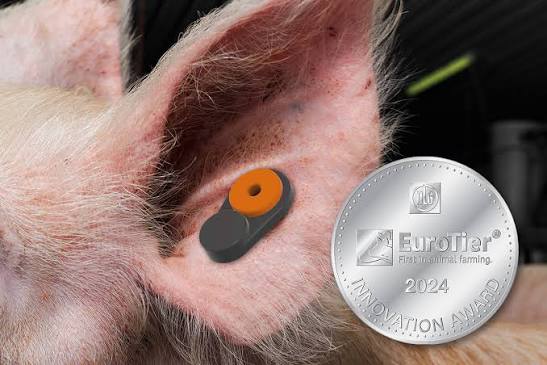
The BioCV system uses a lightweight electronic ear tag equipped with integrated sensors that collect health information throughout the day. The system continuously monitors:
-
Body temperature
-
Animal movement
-
Activity levels
-
Behavioural changes
-
Individual identification
-
Real-time health status
Instead of relying on periodic manual observations, producers receive continuous updates that help identify animals requiring closer attention. This allows farm managers to focus veterinary interventions where they are needed most.
Why Temperature Monitoring Matters
Body temperature is one of the earliest indicators of many infectious diseases affecting pigs. Conditions such as:
-
Porcine Reproductive and Respiratory Syndrome (PRRS)
-
Swine influenza
-
African Swine Fever (ASF)
-
Bacterial infections
-
Reproductive disorders
-
Post-farrowing complications
often produce fever before external symptoms become obvious. Continuous temperature monitoring can therefore provide valuable early warning signals, allowing producers to isolate affected animals, initiate veterinary examinations and strengthen biosecurity measures before diseases spread through the herd.
Early detection also reduces production losses associated with delayed treatment.
Behaviour Analysis Provides Additional Health Insights
Beyond temperature measurement, BioCV’s platform continuously evaluates behavioural patterns. Artificial intelligence algorithms analyze movement data to identify unusual activity that may indicate:
-
Illness
-
Pain
-
Stress
-
Reduced mobility
-
Lameness
-
Reproductive events
-
Recovery after treatment
Because every sow has its own normal behavioural pattern, deviations from baseline activity can often reveal health problems before workers notice visible clinical signs. Behaviour monitoring is increasingly recognized as one of the most valuable applications of precision livestock technologies.
Supporting Reproductive Management
Efficient reproductive performance remains one of the most important drivers of profitability in commercial pig production. Smart monitoring systems can assist producers by helping identify:
-
Estrus activity
-
Reduced breeding performance
-
Pregnancy-related behavioural changes
-
Farrowing preparation
-
Post-farrowing recovery
Continuous monitoring enables producers to make more timely breeding decisions while reducing missed reproductive opportunities. Improved reproductive efficiency directly influences the number of piglets weaned per sow annually—one of the industry’s most closely monitored production indicators.
AI Enables Early Disease Detection
The intelligence behind BioCV’s platform lies not only in its sensors but also in its analytics. Artificial intelligence continuously processes incoming data to distinguish normal behavioural variation from meaningful health events.
Instead of overwhelming producers with raw data, the platform generates actionable alerts when animals exhibit patterns associated with:
-
Fever
-
Reduced activity
-
Abnormal movement
-
Potential illness
-
Welfare concerns
-
Behaviour requiring investigation
This allows veterinary teams to prioritize animals most likely to require intervention.
Labour Shortages Are Accelerating Digital Adoption
Commercial pig farms worldwide are facing increasing labour shortages. Experienced stockpersons remain essential, but finding and retaining skilled workers has become increasingly difficult in many countries. Digital livestock monitoring systems help address this challenge by:
-
Monitoring animals 24 hours a day
-
Reducing dependence on manual observation
-
Improving management efficiency
-
Supporting evidence-based decision making
-
Enabling remote farm monitoring
Rather than replacing farm staff, these technologies augment human observation with continuous data collection.
Biosecurity Is Driving Investment in Smart Livestock Technologies
Recent outbreaks of African Swine Fever, PRRS and other infectious diseases have highlighted the importance of rapid disease detection. Early identification of abnormal temperature or behaviour allows producers to:
-
Separate suspect animals
-
Conduct veterinary examinations
-
Strengthen farm biosecurity
-
Limit disease transmission
-
Reduce economic losses
As disease prevention becomes an increasing priority, continuous monitoring technologies are attracting greater attention from commercial producers.
Precision Livestock Farming Is Becoming Mainstream
The BioCV launch reflects one of the fastest-growing trends in animal agriculture. Precision Livestock Farming increasingly combines:
-
Smart sensors
-
Artificial intelligence
-
Internet of Things (IoT)
-
Cloud computing
-
Computer vision
-
Environmental monitoring
-
Predictive analytics
Together, these technologies enable producers to make management decisions based on real-time biological data rather than periodic observations. The result is more efficient production while supporting improved animal welfare and sustainability.
Market Opportunity Continues to Expand
The global market for livestock monitoring technologies is growing rapidly as producers seek solutions that improve productivity and animal health. Growth is being driven by:
-
Larger commercial farm sizes
-
Labour shortages
-
Rising veterinary costs
-
Increasing disease risks
-
Better wireless connectivity
-
Lower sensor costs
-
Greater adoption of AI in agriculture
Swine production has emerged as one of the leading sectors adopting digital livestock monitoring because of the high economic impact of disease outbreaks and reproductive performance.
Why This Matters for the Animal Health Industry
BioCV’s intelligent sow monitoring platform demonstrates how precision livestock farming is moving from research into everyday commercial practice. Continuous monitoring allows veterinarians and producers to detect illness earlier, improve reproductive management, reduce unnecessary treatments and strengthen biosecurity across commercial pig farms.
As regulatory expectations regarding animal welfare continue to increase and producers seek greater operational efficiency, data-driven livestock management is becoming an essential component of modern swine production.
The introduction of wearable technologies such as smart ear tags also supports more targeted veterinary care, reducing the need for whole-herd interventions and enabling earlier, evidence-based clinical decision-making.
Industry Outlook
Artificial intelligence, wearable sensors and predictive analytics are expected to become standard components of commercial pig farming over the next decade. Technologies capable of continuously monitoring body temperature, movement and behaviour provide valuable insights that can improve animal welfare while reducing production losses associated with disease and reproductive inefficiency.
BioCV’s intelligent sow monitoring system represents another step toward the digital transformation of livestock production, where every animal becomes a connected source of real-time health data.
As precision livestock farming continues to mature, smart monitoring platforms are likely to play an increasingly important role in helping producers build healthier herds, improve farm profitability and strengthen global food security.
Key Highlights
-
BioCV Inc. has launched the BioCV Intelligent Sow Monitoring System, featuring a smart ear tag that continuously tracks body temperature, movement and behaviour.
-
The system uses AI-powered analytics to identify abnormal health and behavioural patterns, enabling earlier detection of disease and welfare issues.
-
Continuous monitoring supports reproductive management, early intervention, and improved biosecurity in commercial pig production.
-
The launch reflects the growing adoption of Precision Livestock Farming (PLF) technologies, integrating sensors, IoT and artificial intelligence into daily farm operations.
-
Smart livestock monitoring is expected to become a cornerstone of modern swine production, helping producers improve animal welfare, operational efficiency and overall herd performance.

