



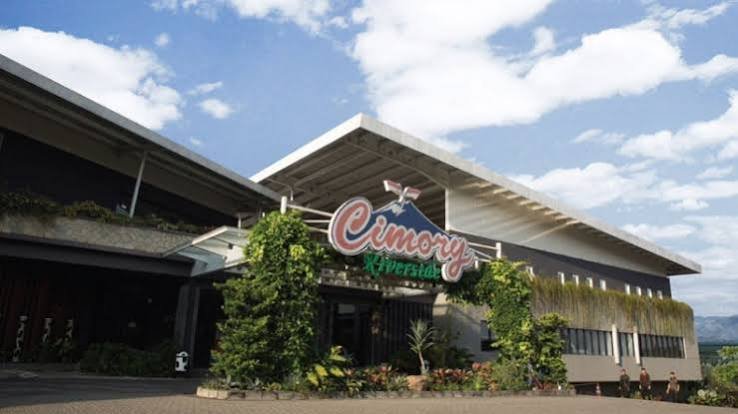
Indonesia’s Cisarua Mountain Dairy, commonly known as Cimory, operates across dairy products and processed consumer foods. Its subsidiary Macroprima Panganutama produces processed meat products, including the Kanzler brand.
Industry reporting has highlighted an investment of approximately US$11 million in the subsidiary for capacity expansion and working capital. The investment is relevant to the broader Indonesian animal-protein value chain, although it should be distinguished from a direct investment in veterinary medicines, vaccines or animal-health services.
Cimory’s official website confirms the group’s activities in dairy and consumer foods, including processed meat products made by Macroprima Panganutama. (Cimory corporate website)
Why It Matters for the Protein Value Chain
Investment in processed-protein operations can affect the wider supply chain by increasing the importance of consistent raw-material supply, product quality, food safety and manufacturing efficiency.
For livestock and poultry suppliers, reliable demand from processors can make production planning and quality management increasingly important. For food manufacturers, animal health and food safety are related but distinct requirements: healthy animals can support more predictable production, while processing facilities still need appropriate hygiene, testing and hazard-control systems.
Animal-Health Implications
The connection to animal health is indirect but commercially relevant. A larger or more efficient processing platform can strengthen demand for reliable supply chains that maintain:
-
Farm-level disease prevention.
-
Veterinary oversight and health records.
-
Traceability of animals and raw materials.
-
Residue monitoring and responsible medicine use.
-
Biosecurity and transport hygiene.
-
Food-safety controls throughout processing.
These requirements can create opportunities for diagnostics, traceability technology, farm assurance programmes and veterinary advisory services.
Strategic / Analyst View
The investment illustrates how the animal-protein industry is shaped by decisions made downstream of farms. As processing businesses scale, they may place greater emphasis on supply consistency, quality assurance and traceability from farm to finished product.
For animal-health companies, this creates an opportunity to demonstrate value across the supply chain rather than focusing exclusively on individual farm treatments. Commercial propositions should connect animal-health interventions with measurable outcomes such as lower disease losses, predictable supply, residue compliance and improved production efficiency.
Outlook
The investment is best viewed as a processed-protein capacity and working-capital development, not as a veterinary-sector transaction. Its significance for animal health lies in the indirect demand it may create for reliable livestock sourcing, traceability, disease prevention and food-safety assurance.
The reported US$11 million figure should be attributed to industry reporting until confirmed through a detailed company filing or announcement.

