


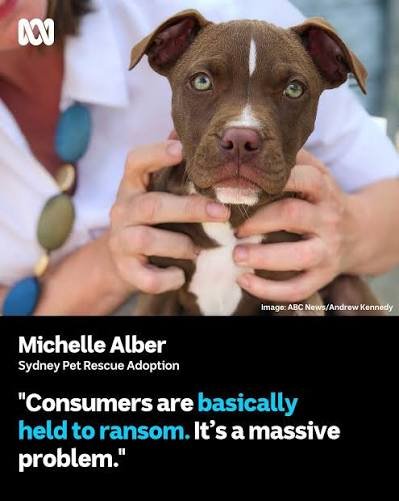
A severe confluence of economic pressures—led by rising living costs, a tight rental market, and unexpected veterinary expenses—is fracturing the human-animal bond across Australia.
According to data published in the Companion Animal Network Australia (CANA) Impact Report, owner surrenders now account for 32% of total shelter intakes, representing a sharp increase from the 25% reported in previous monitoring periods.
The report’s findings have triggered joint warnings from Pet Insurance Australia and the Australian Veterinary Association (AVA). Both organizations warn that escalating financial friction is compromising pet retention rates, driving shelter overcapacity, and forcing pet owners to delay or forego essential preventive medical care.
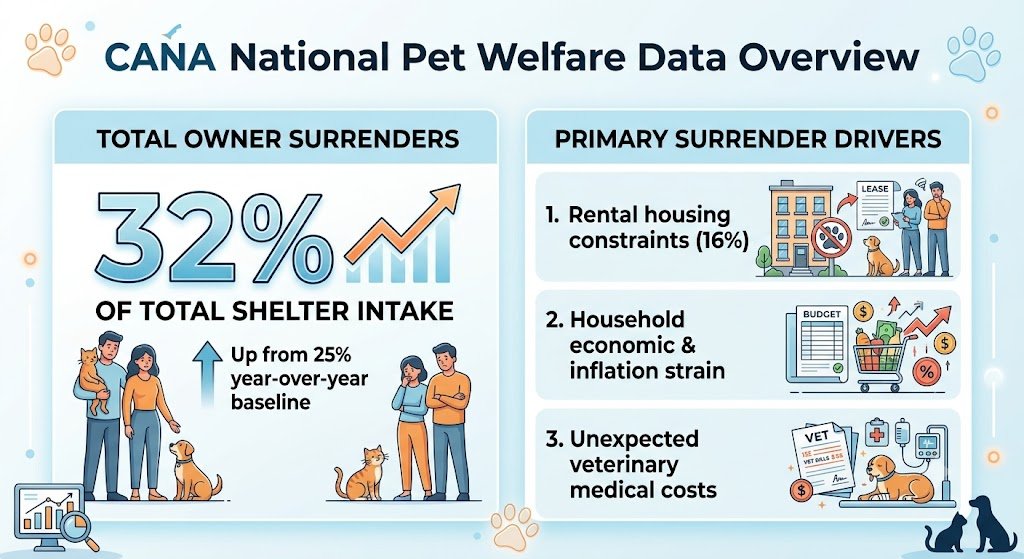
Anatomy of Surrender: Housing and Inflationary Pressures
Australia remains one of the highest pet-owning nations globally, with millions of households welcoming dogs, cats, and small companion animals. However, macro-economic pressures are testing household budgets:
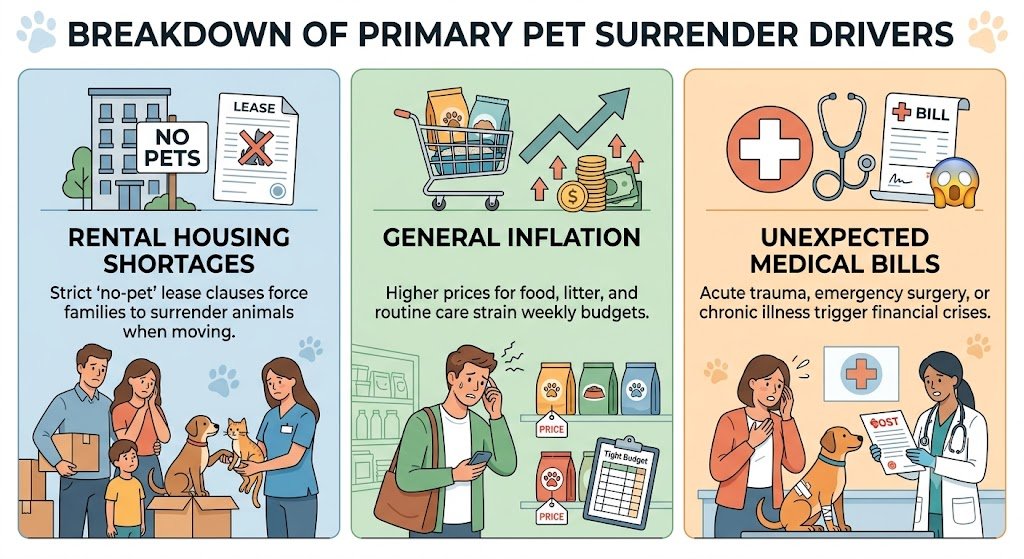
Rental Housing Constraints
Housing access remains a major barrier. Despite state-level tenancy reforms aimed at easing pet restrictions, 16% of all shelter surrenders are directly tied to rental housing issues. Pet owners facing low vacancy rates are often forced to choose between securing shelter for their families or keeping their pets.

Household Economic Strain
Persistent inflation across essentials—such as food, energy, and mortgage repayments—has squeezed discretionary margins. Pet food and routine maintenance expenses have risen alongside general consumer price indices, making basic pet care increasingly difficult for vulnerable households.
Economics of Small Animal Practice: Veterinary Cost Realities
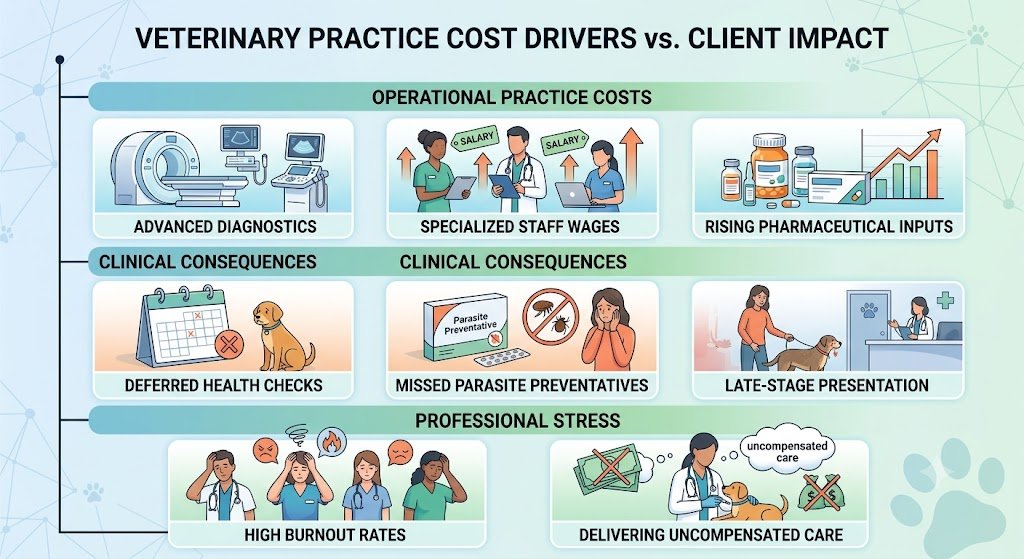
The veterinary sector faces its own structural challenges. Small animal clinics operate as highly sophisticated, self-funded medical facilities that must cover the costs of modern diagnostic equipment, pharmaceuticals, surgical supplies, and skilled clinical staff.
Unplanned Clinical Expenses
Unlike human healthcare in Australia—which benefits from public subsidies like Medicare—veterinary medicine receives no broad government funding. When a companion animal experiences acute trauma, gastrointestinal obstruction, or toxic ingestion, emergency diagnostic and surgical procedures can rapidly reach thousands of dollars. Without insurance coverage or emergency savings, these unexpected bills can present pet owners with difficult decisions.
Deferred Preventive Care
Veterinarians report that clients are increasingly extending the intervals between routine wellness exams, delaying vaccinations, and skipping monthly parasite preventatives. This reduction in preventive care often leads to higher long-term costs when preventable conditions progress to severe clinical illness.
Advocacy and Policy Solutions: AVA’s Parliamentary Push
To address these challenges, the Australian Veterinary Association (AVA) is actively lobbying state and federal governments to implement structural policy reforms that protect the human-animal bond and support veterinary infrastructure.
Key Policy Recommendations:
-
Targeted Healthcare Subsidies: Establishing government-backed voucher programs to subsidize desexing, microchipping, annual vaccinations, and emergency care for low-income households and concession card holders.
-
Tax Relief for Essential Services: Advocating for tax concessions or GST exemptions on core veterinary medical services to directly reduce out-of-pocket costs for pet owners.
-
Support for Pro-Bono Care: Securing disaster and emergency relief funding to reimburse clinics that provide uncompensated care to displaced animals during bushfires, floods, or community crises.
Industry Recommendations: Protecting Pet Retention
Addressing the pet surrender crisis requires coordinated action across the veterinary profession, the insurance industry, animal welfare charities, and government bodies:
-
Expanding Pet Insurance Adoption: Pet Insurance Australia emphasizes that broader adoption of comprehensive pet insurance can help mitigate the impact of unexpected emergency medical expenses.
-
Flexible Payment Solutions: Clinics are increasingly offering third-party payment plans (such as VetPay or interest-free finance options) to allow pet owners to spread the cost of emergency treatments over time.
-
National Tenancy Standards: Advocating for uniform, nationwide tenancy laws that prevent blanket “no-pet” clauses in rental agreements, ensuring responsible pet owners can secure housing without giving up their animals.

