


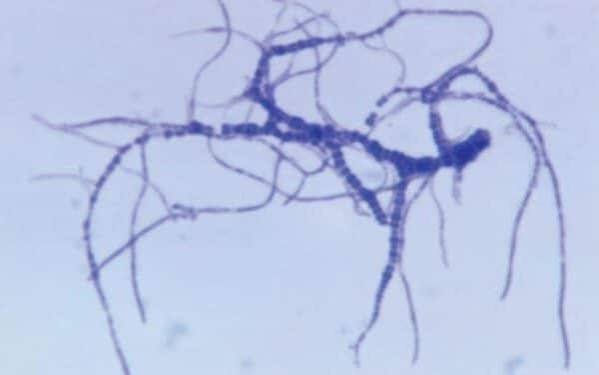
A rare veterinary-associated bacterial infection is generating renewed attention across Europe after 123 human cases of dermatophilosis caused by Dermatophilus congolensis were reported across 10 European countries as of August 20, 2026.
The development is epidemiologically significant because D. congolensis has traditionally been regarded primarily as an animal pathogen and occasional zoonosis, particularly associated with cattle, sheep, goats and horses. Recent European clusters, however, provide evidence that human-to-human transmission through close skin-to-skin contact can occur, including in sexual networks.
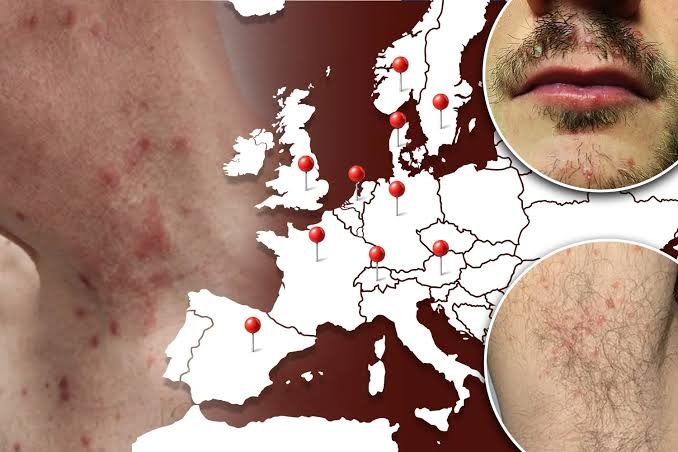
123 Cases Across 10 European Countries
The latest European surveillance information identifies cases in:
-
Austria
-
Denmark
-
France
-
Germany
-
Netherlands
-
Norway
-
Spain
-
Sweden
-
Switzerland
-
United Kingdom
The country-level data available through August 20 include 70 cases in France, 17 in Germany, 23 in Spain, 20 in Austria, 10 in Norway, six in Switzerland, four in Sweden, three in the Netherlands, and one each in Denmark and the UK. These country figures are reported through European surveillance/travel-health channels drawing on ECDC information.
Italy has not been included among the countries reporting confirmed cases in the latest 10-country tally.
Europe: D. congolensis Human Case Snapshot
| Country | Confirmed cases* |
|---|---|
| France | 70 |
| Spain | 23 |
| Austria | 20 |
| Germany | 17 |
| Norway | 10 |
| Switzerland | 6 |
| Sweden | 4 |
| Netherlands | 3 |
| Denmark | 1 |
| United Kingdom | 1 |
| Reported European total | 123 |
*Figures reflect surveillance information available around 20 August 2026; reporting dates and case definitions can differ between countries.
Why This Is Epidemiologically Unusual
Dermatophilus congolensis is a Gram-positive, facultatively anaerobic actinomycete best known as the causative organism of dermatophilosis, commonly called rain rot or rain scald in livestock.
In animals, infection is strongly associated with moisture, skin damage and environmental exposure. Cattle, sheep and horses are important hosts, and the disease can produce crusting, exudative skin lesions and dermatitis.
Human infection has historically been rare and generally associated with direct contact with infected animals or contaminated environments. Farmers, veterinarians, animal handlers and people with livestock exposure have therefore traditionally represented the principal risk groups. The European event is different.
Several patients had no known livestock exposure, while epidemiological investigations identified networks involving close physical and sexual contact. ECDC therefore concluded that human-to-human transmission through close skin-to-skin contact is currently the most likely explanation for several clusters. Transmission through contaminated surfaces or fomites cannot yet be excluded.
Genomic Evidence Strengthens the Transmission Signal
The evidence is not based solely on epidemiological association. In the French cluster, researchers investigated nine cases and found highly related bacterial isolates. Whole-genome sequencing showed only 1–5 single-nucleotide polymorphism differences across more than 94% of the genome among isolates from eight patients.
That degree of genetic similarity, combined with common epidemiological exposures, supports recent transmission from a common source or between individuals.
A separate Spanish investigation also reported nine cases in Barcelona, with genomic and epidemiological evidence supporting human-to-human transmission through sexual contact.
Swedish surveillance subsequently identified four microbiologically confirmed cases in Stockholm, again involving people without animal exposure.
What Does the Infection Look Like?
Human dermatophilosis is primarily a skin infection. Reported manifestations include:
-
Papular lesions
-
Pustules
-
Scaly or crusted lesions
-
Folliculitis-like lesions
-
Pruritus
-
Lesions involving the groin, genital region, thighs, face or beard

