


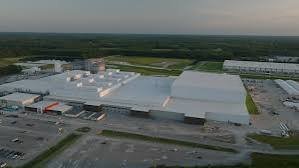
The 1.3-million-square-foot Batavia facility is Purina’s first greenfield factory since 1975 and its largest investment in a Purina manufacturing site, combining automation, digital manufacturing and automated storage to expand U.S. pet-food capacity.
Nestlé Purina PetCare has officially opened its new US$550 million pet-food manufacturing facility in Batavia, Ohio, marking the company’s first factory built entirely from the ground up since 1975 and its largest investment by Nestlé in a Purina manufacturing facility to date.
The plant, located about 30 miles east of Cincinnati, covers 1.3 million square feet and becomes Purina’s 24th U.S. factory. It is already producing Purina Pro Plan, Purina ONE and Dog Chow, with the facility designed to supply food for approximately 8 million pets annually.
Key numbers
Metric |
Batavia facility |
|---|---|
Investment |
>$550 million |
Factory size |
1.3 million sq ft |
U.S. Purina factories |
24th |
Annual pet-feeding capacity |
~8 million pets |
Current workforce |
>430 employees |
Planned workforce |
>500 employees |
Ground-up Purina factory |
First since 1975 |
Major brands |
Pro Plan, Purina ONE, Dog Chow |
Location |
Batavia/Williamsburg Township, Ohio |
Opening |
August 31, 2026 |
Purina says the site currently employs more than 430 associates, with plans to exceed 500 employees when fully operational. The workforce includes engineers, operators, professional staff and technical specialists.
From factory expansion to manufacturing technology
The strategic importance of Batavia extends beyond additional floor space. Purina describes the plant as its most advanced manufacturing facility, incorporating digital manufacturing systems, robotics, automation and advanced food-safety systems. Its more than 10-story design includes an Automated Storage and Retrieval System (ASRS), allowing materials and finished products to be handled through highly automated storage and movement systems.
The facility also includes a Manufacturing Experience Center, designed to demonstrate modern manufacturing technologies to visitors, students and community stakeholders.
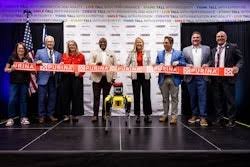
One example of the digital strategy is the use of Spot, a Boston Dynamics robotic platform, for thermal and acoustic inspections of machinery. The application illustrates how Purina is moving selected maintenance and inspection activities toward robotics-assisted operations.
Why this matters for pet-food manufacturing
The investment signals a broader change in how large pet-food companies are building capacity. A modern pet-food plant is increasingly being designed around:
-
automated material handling;
-
real-time digital production systems;
-
robotics-assisted inspection and maintenance;
-
tighter food-safety controls;
-
flexible production;
-
higher throughput;
-
and the ability to respond rapidly to changes in product demand.

