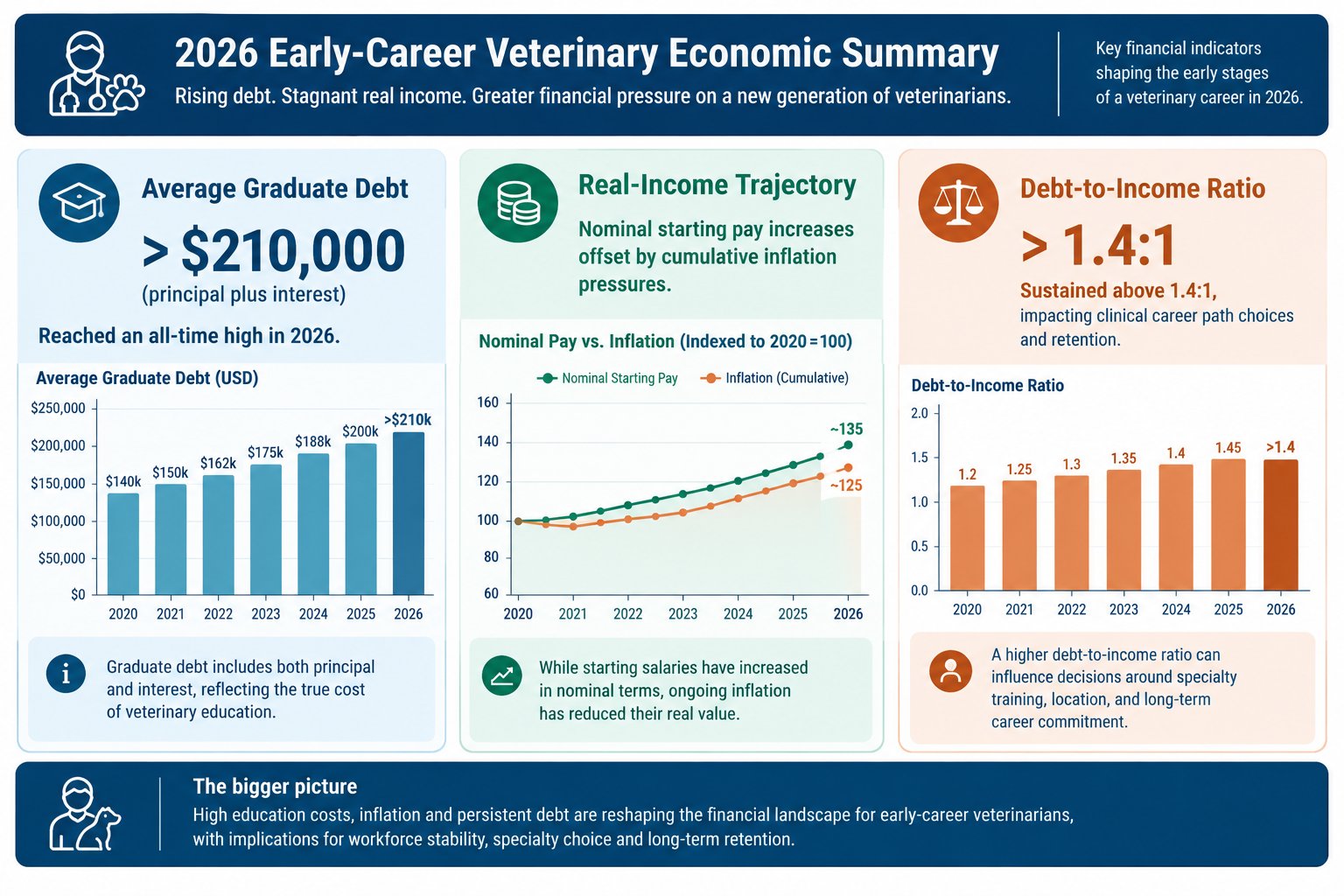


SAN DIEGO, Calif. — October 10, 2026 — Early-career veterinarians entering clinical practice are confronting unprecedented economic pressures, according to an industry financial analysis published by AVMA.
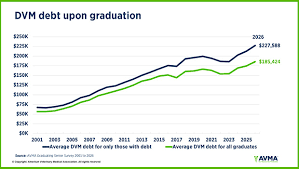
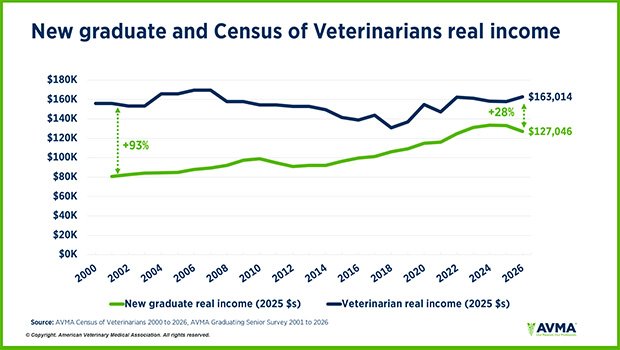
Educational debt for the veterinary school graduating Class of 2026 reached an all-time high, while inflation-adjusted starting compensation failed to keep pace, creating a widening real-income gap for new associate practitioners across companion animal, equine, and food animal practices.
Widening Debt-to-Income Ratio
The economic analysis details how compounding educational costs have outpaced starting associate salaries over recent graduation cycles:
-
Record Student Debt: Cumulative educational debt for 2026 graduates—combining undergraduate and veterinary medical school loans—averaged over $210,000, with a growing subset of graduates exceeding $300,000 in principal debt.
-
Real-Income Contraction: While nominal starting salaries showed minor upward adjustments, persistent macroeconomic inflation eroded real purchasing power, reducing effective starting pay compared to historical baselines.
-
Elevated Debt-to-Income Ratio (DIR): The national debt-to-income ratio for new veterinary graduates remains well above the recommended 1.4:1 threshold, creating long-term financial strain and delaying major personal milestones.