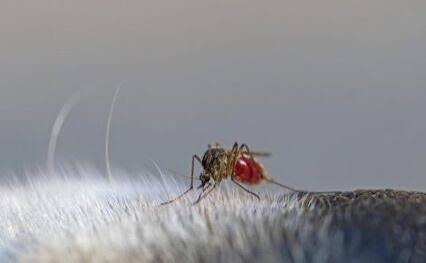


The World Organisation for Animal Health (WOAH) has called on member countries to strengthen surveillance, early warning and preparedness for vector-borne diseases. Its analysis of official reports submitted through the World Animal Health Information System indicates increasing reporting frequency for some diseases and a growing number of countries reporting them.
Why it matters to the industry
Vector-borne disease risks are influenced by vector ecology, environmental disruption, animal and human movement, and changing climatic conditions. These factors can alter where and when veterinary services need to monitor disease.
-
Cattle and dairy: vector monitoring and timely investigation of unexplained illness can help limit production losses.
-
Sheep and goats: surveillance is important where vector-borne infections affect animal health, productivity or trade.
-
Companion animals: changing vector exposure can affect preventive veterinary care and diagnostic demand.
-
Animal-health companies: the development creates a continuing need for effective diagnostics, vaccines where available, vector-control products and veterinary education.