


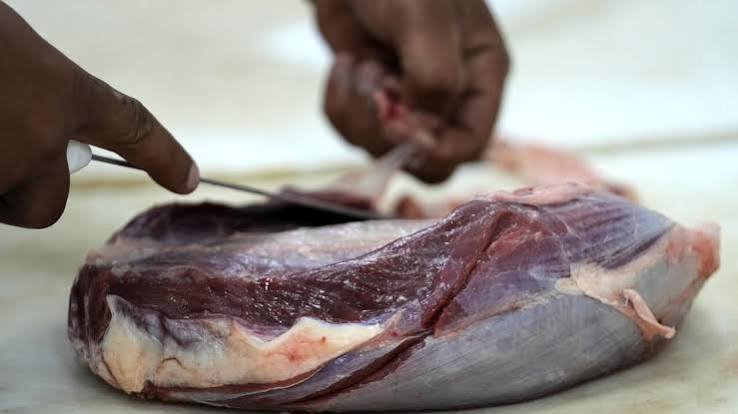
The European Union is set to suspend imports of a broad range of animal products from Brazil from September 3, 2026, after Brazil was removed from the EU list of countries considered compliant with European requirements governing antimicrobial use in food-producing animals. The measure covers major categories including beef, poultry, eggs and honey, with the wider regulatory action also affecting certain other animal-origin products.
The decision has potentially significant implications for Brazil’s livestock export industry, EU meat supply chains and the global debate over antimicrobial resistance (AMR), veterinary drug use and equivalence of production standards.

Why the EU is taking action
The issue is not simply whether antibiotics are present in meat. The central concern is whether exporting countries can provide sufficient guarantees that antimicrobials are used in accordance with EU requirements throughout the production chain.
EU rules prohibit the use of antimicrobials for growth promotion and impose restrictions on substances considered critically important for human medicine. Imported animal products must meet applicable EU requirements on veterinary medicines and chemical residues.
In May, the EU removed Brazil from its authorised list after determining that Brazil had not provided sufficient assurances concerning compliance. The suspension was subsequently scheduled to take effect on September 3.
Products affected
| Product category | EU action |
|---|---|
| Beef | Import suspension |
| Poultry | Import suspension |
| Eggs | Import suspension |
| Honey | Import suspension |
| Selected other animal products | Subject to applicable restrictions |
| Compliant/appropriately treated products | May qualify under relevant EU requirements |
The exact treatment of individual products depends on the applicable EU certification and sanitary rules rather than a blanket statement that every Brazilian animal-derived product is prohibited.
Brazil has been trying to close the compliance gap
The approaching deadline has already triggered regulatory adjustments in Brazil. Brazil’s Agriculture Ministry began modifying inspection and export-control procedures in July to address the EU’s antimicrobial requirements and prevent the suspension of exports.
That response is strategically important because the dispute increasingly concerns verification and assurance, not merely national legislation.
For exporters, the critical question is becoming: Can Brazil demonstrate, through traceability, inspection, certification and documentation, that production practices supplying the EU comply with EU antimicrobial rules?
This shifts the competitive advantage toward supply chains capable of demonstrating farm-to-export traceability and auditable veterinary-drug controls.
Material exposure for Brazil
The European market is important to Brazil even though the EU is not its largest overall meat destination. Brazil was the second-largest exporter of beef to the EU in 2025, with sales exceeding €713 million, according to reporting around the suspension.
Brazil also exported substantial quantities of animal products to Europe across poultry and other categories. One industry estimate puts Brazil’s total animal-product exports to the EU at approximately 368,000 tonnes worth about US$1.8 billion in 2025, although the precise exposure varies substantially by product category and the scope of products covered by the suspension. The commercial consequences therefore extend beyond lost sales.
Potential effects include:
-
diversion of Brazilian meat toward Asia, the Middle East and other markets;
-
increased competition among exporters seeking alternative destinations;
-
possible changes in global beef and poultry pricing;
-
higher compliance costs for Brazilian producers and processors;
-
greater demand for veterinary antimicrobial-use documentation;
-
increased importance of regionalisation and approved establishments.
The bigger issue: antimicrobial resistance
The dispute has a much broader significance for animal health. Antimicrobial resistance is increasingly treated as a One Health problem, because antimicrobial use in humans, animals and the environment can influence resistance patterns across interconnected ecosystems.
The EU’s position effectively makes antimicrobial stewardship a market-access requirement. That is significant for global animal agriculture. Exporters increasingly cannot treat veterinary drug management as an internal farm-management issue. It can become a condition for accessing premium international markets.
The EU’s import framework already requires animal-origin products to satisfy applicable health requirements and limits chemical residues from veterinary medicines and other substances.
Trade policy meets animal-health policy
The timing is particularly notable because the EU-Mercosur relationship is simultaneously moving toward greater agricultural integration.
The EU-Mercosur agreement entered provisional application in 2026, increasing the importance of questions around whether imported agricultural products are produced according to standards comparable with those applied within Europe.
This creates a potentially important policy tension: Trade liberalisation does not necessarily mean regulatory convergence.
The EU can expand market access while maintaining strict sanitary, veterinary-drug and food-safety conditions for imports.
For livestock exporters, this means tariff preferences alone may not guarantee market access.
What this means for the global animal-health industry
The Brazilian case reinforces several structural trends that animal-health companies should watch.
1. Antimicrobial stewardship is becoming commercially strategic – Veterinary pharmaceuticals are increasingly being evaluated not only for efficacy but also for responsible-use frameworks, withdrawal periods, residue control and AMR implications.
2. Diagnostics and residue testing gain importance – The stronger the regulatory focus on antimicrobial compliance, the greater the potential demand for:
-
veterinary diagnostic testing;
-
antimicrobial-residue detection;
-
laboratory surveillance;
-
digital treatment records;
-
prescription and dispensing controls;
-
farm-level traceability.
3. Alternatives to antibiotics could gain momentum – The regulatory environment may accelerate investment in:
-
vaccines;
-
probiotics and postbiotics;
-
immune-support technologies;
-
precision nutrition;
-
improved biosecurity;
-
pathogen-specific diagnostics.

