


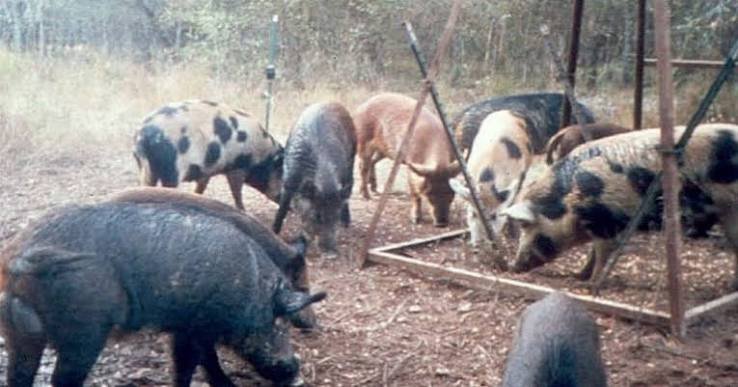
Finland has recorded 45 confirmed African Swine Fever (ASF) cases in 2026, according to the Finnish Food Authority, with the latest reported case detected in Miehikkälä on September 25. (ruokavirasto.fi)
The majority of the country’s current ASF detections involve wild boar, reinforcing the role of wildlife reservoirs in maintaining and spreading the virus.
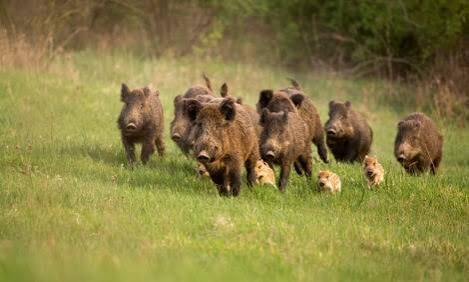
Why Wild Boar Matter
ASF presents a particularly difficult control challenge because wild boar can sustain infection outside commercial pig farms.
Transmission risks can involve:
Wild boar → environment → people/equipment → domestic pigs
Consequently, farm biosecurity must extend beyond the pig barn itself.
Finland’s Response
Authorities have introduced and modified restricted zones while strengthening measures around:
-
Wild-boar surveillance
-
Carcass detection and removal
-
Pig-farm biosecurity
-
Animal movement
-
Hunting-related activities
-
Human-mediated transmission
Economic Importance
ASF can create substantial losses through:
-
Pig mortality
-
Farm depopulation
-
Movement restrictions
-
Trade disruption
-
Surveillance costs
-
Restocking delays
Because no widely available commercial treatment exists that eliminates ASF infection, prevention and biosecurity remain central.
Strategic / Analyst View
Finland’s experience reinforces the importance of wildlife-to-farm disease intelligence. For the animal-health industry, ASF creates a structural market for:
-
Rapid diagnostics
-
Environmental testing
-
Biosecurity products
-
Digital traceability
-
Wildlife surveillance
-
Carcass detection
-
Farm-risk assessment

