


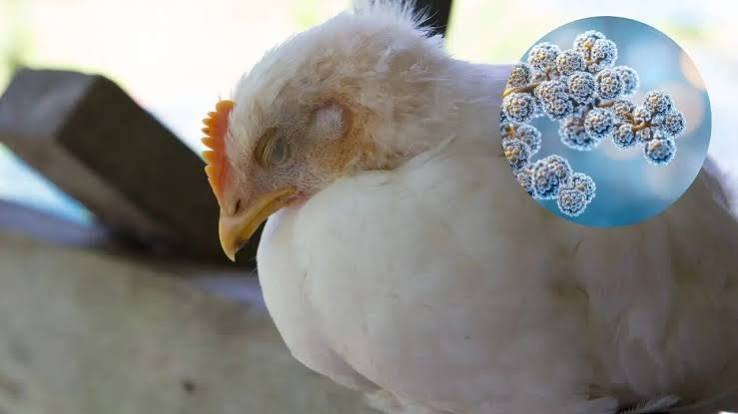
INDIANAPOLIS, Ind. — October 10, 2026 — Highly Pathogenic Avian Influenza (H5N1) has re-emerged across major Midwestern poultry corridors, marked by a confirmed outbreak at a commercial duck meat operation in Jay County, Indiana. Official surveillance data from the U.S. Department of Agriculture’s Animal and Plant Health Inspection Service (USDA APHIS) indicates that over 550,000 birds across 12 commercial operations and nine backyard flocks have been affected nationwide over the past 30 days, prompting commercial integrators throughout the Mississippi and Central flyways to elevate farm-gate biosecurity protocols.
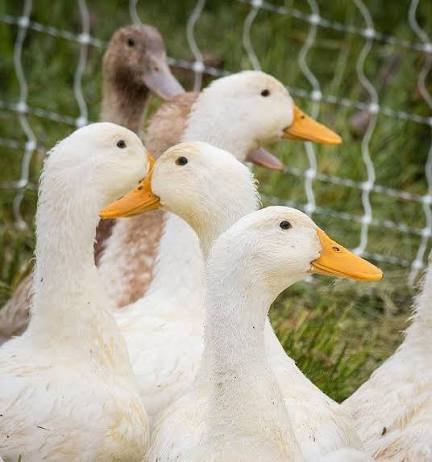
Jay County Incursion Breaks Indiana’s Disease-Free Period
The confirmation of H5N1 in a 24,300-bird commercial duck meat flock in Jay County, Indiana, represents a significant epidemiological setback for the state. Indiana had officially declared freedom from HPAI in mid-August following the completion of quarantine and cleaning protocols from earlier spring outbreaks.
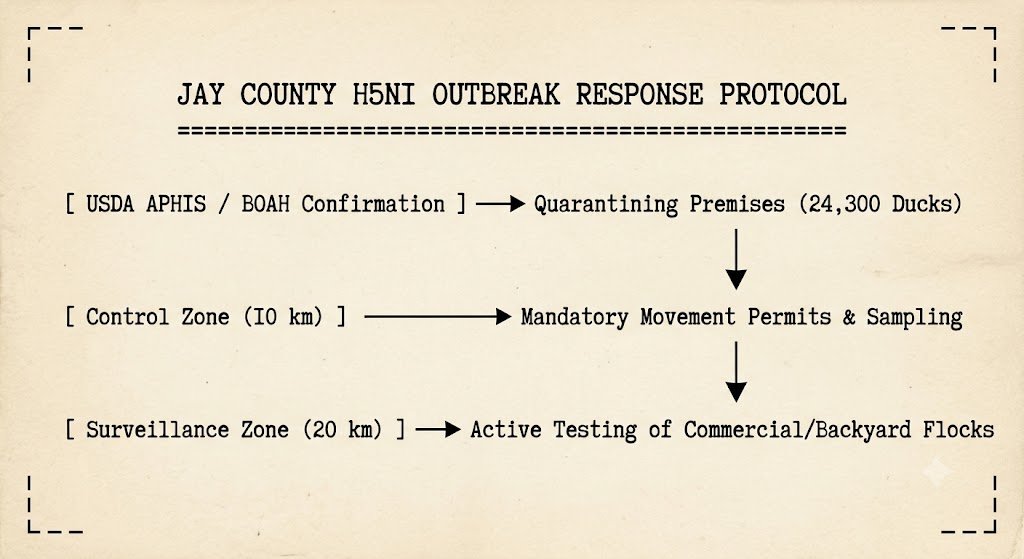
Following official laboratory confirmation from the National Veterinary Services Laboratories (NVSL), the Indiana State Board of Animal Health (BOAH) placed the affected premises under quarantine. State and federal responders established a 10-kilometer control area and a 20-kilometer surveillance buffer zone encompassing sections of Jay, Adams, Wells, and Blackford counties to restrict live-poultry transport and monitor surrounding commercial complexes. Depopulation and biosecure disposal of the affected duck flock were executed in accordance with USDA depopulation standards.
Regional Epidemiological Landscape & Flyway Dynamics
The Jay County detection coincides with a seasonal resurgence in H5N1 transmission across Midwestern states, driven by the autumn migration of wild waterfowl carrying clade 2.3.4.4b viral strains along the Mississippi Flyway.
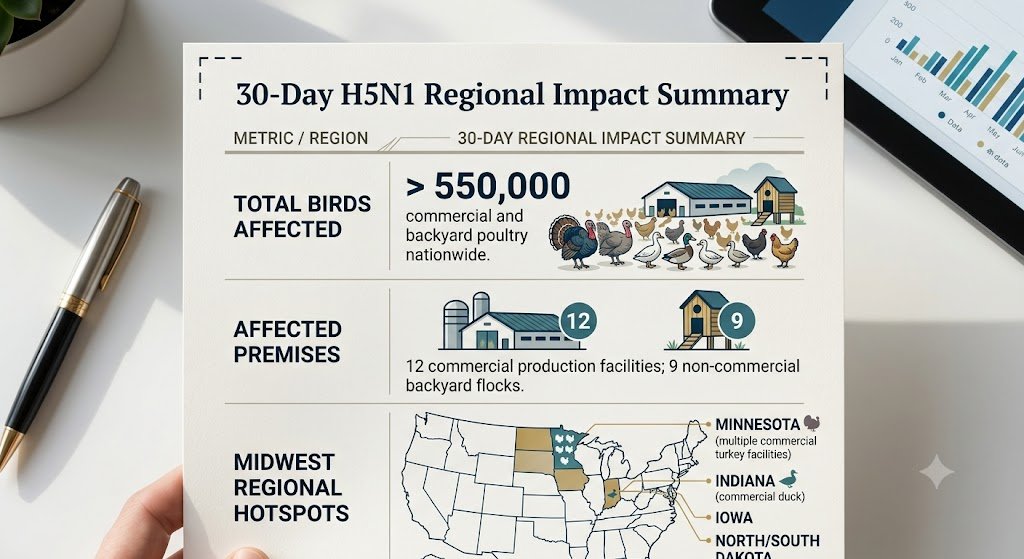
Regional surveillance shows elevated viral pressure across multiple production sectors:
-
Turkey Operations: Commercial turkey growing facilities in Minnesota and surrounding upper-Midwest states accounted for a major share of the total 30-day bird losses.
-
Wild Bird Reservoirs: Wildlife surveillance by USDA APHIS and state natural resource agencies detected dozens of positive wild bird samples, including hunter-harvested waterfowl in Kansas and Iowa, signaling widespread environmental viral shedding.
Enhanced Biosecurity Mandates for Integrators
In response to rising environmental viral loads, major broiler, layer, and turkey integrators across the Central and Eastern United States have activated Level 3 Biosecurity Protocols.
-
Perimeter Exclusion: Enforcing strict physical separation between wild waterfowl and commercial barn air intakes, feed storage, and bedding materials.
-
Vehicle Sanitation: Requiring mandatory high-pressure hot-water wash and disinfection cycles for all feed delivery, egg transport, and live-haul vehicles at farm perimeters.
-
Footwear & Clothing Controls: Implementing dedicated barn-specific boots, footbaths, and shower-in/shower-out requirements for all farm personnel entering poultry housing units.
-
Water Source Security: Restricting commercial flocks to deep-well water supplies and auditing water treatment systems to prevent potential surface water contamination.

