


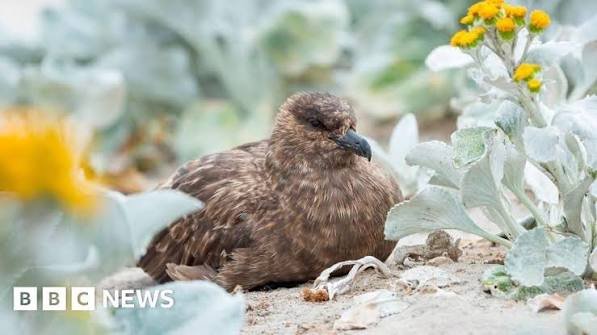
Tasmania has confirmed H5 avian influenza in three new locations, including the first detection on Flinders Island, as authorities warn that the virus is likely now present across much of the Tasmanian environment.
Tasmania’s Department of Natural Resources and Environment (NRE Tas) confirmed on 9 September 2026 that a greater crested tern on Flinders Island, a forest raven at Mawbanna in the North West, and a peregrine falcon at Pipers River in the North tested positive for H5 bird flu.
The Flinders Island detection is the first confirmed H5 detection on the island. The latest findings take Tasmania’s reported total to 33 H5 bird-flu events. NRE Tas has also shifted toward reporting new affected localities rather than every individual positive bird as the response moves into longer-term surveillance.
No commercial poultry detections reported
Despite the expanding wildlife footprint, H5 bird flu has not been detected in Tasmanian poultry, according to NRE Tas. The agency says there are currently no mass mortalities associated with the latest detections, and chicken meat and eggs remain safe to eat.
Authorities are nevertheless maintaining precautionary measures for poultry and captive birds. Producers and bird owners are being encouraged to house birds wherever practicable, prevent contact with wild birds and maintain strict biosecurity around people, equipment and bird movements.
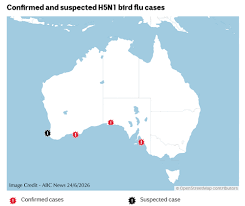
Biosecurity Risk is Widening
The geographic expansion is significant because H5 has now been detected across additional areas of Tasmania and on an offshore island.
NRE Tas State Controller Justin Helmich said authorities expect further detections as surveillance continues and warned that H5 bird flu is likely present throughout the Tasmanian environment.
The development reinforces the importance of wildlife surveillance as Australia manages an H5 strain that was first detected in Australian wild seabirds in June 2026. Animal Health Australia describes the H5 situation as an ongoing wildlife-disease issue requiring continued monitoring and management.
Implications for poultry and animal-health companies
For the poultry industry, the immediate risk remains wildlife-to-domestic-bird transmission rather than an established commercial-poultry outbreak. The expanding surveillance footprint, however, increases demand for:
-
Poultry biosecurity products and services
-
Veterinary diagnostics and surveillance
-
Disease-monitoring technologies
-
Wildlife and environmental testing
-
Poultry-health advisory services
-
Emergency-response preparedness

