



New Zealand-based dairy technology company Herd-i has entered the US market with an AI-powered camera system designed to monitor cow lameness and body condition automatically during routine milking operations.
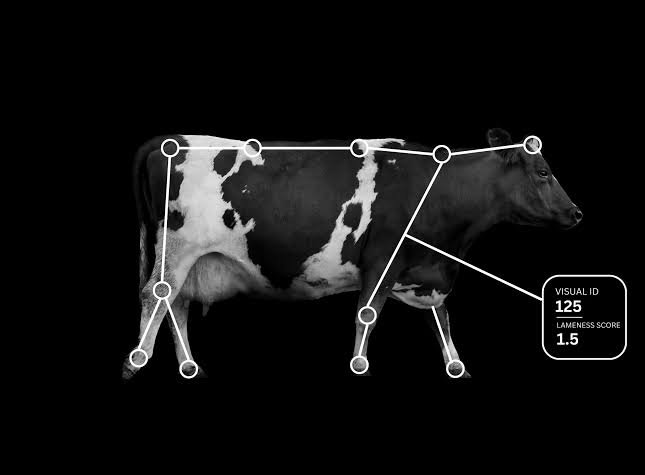
The system captures images of individual cows as they leave the milking parlour and uses machine-learning models to assess locomotion and body-condition scores. By collecting data at every milking, the technology aims to identify changes in mobility and physical condition earlier than conventional periodic visual assessments.
The US launch brings a technology already deployed across New Zealand dairy farms into one of the world’s largest commercial dairy markets. The company says its system is currently being used to score more than 119,000 cows in New Zealand.
The most notable reported performance result comes from an independent analysis of a New Zealand dairy farm, which found a 41% reduction in antibiotic treatments specifically for lameness following the installation of the technology. The analysis also reported a 38% reduction in the number of cows requiring lameness treatment.

AI cameras assess every cow during routine milking
Herd-i’s system is installed at the exit of the milking parlour. As cows pass through after milking, cameras capture video footage that is uploaded to the cloud for automated analysis. The system generates two principal measurements:
-
Locomotion score: Assesses how a cow walks, helping identify mobility changes and potential lameness.
-
Body-condition score (BCS): Evaluates the animal’s physical condition, supporting monitoring of nutritional status and management.
The technology is designed to collect information during normal farm operations rather than requiring separate handling or dedicated examination sessions for every animal.
A dashboard allows producers to review individual animal scores, monitor changes over time and set thresholds that flag cows requiring attention. Farmers can then decide whether an animal should be examined more closely, drafted for treatment or referred to a veterinarian.
The continuous-monitoring approach is particularly relevant to larger dairy operations, where manual observation of every cow at every milking is difficult to sustain.
Technology developed using large-scale image datasets
Herd-i’s development has involved extensive image-scoring work and input from veterinary and body-condition assessment experts.
According to the company, its lameness-scoring models were developed using more than 500,000 videos assessed and scored for model training. Its body-condition scoring system was developed using approximately 1.1 million camera views assessed by experts.
The system has been in use in New Zealand for approximately four-and-a-half years, according to the company’s US leadership. The company says more than 119,000 cows are currently being scored at every milking in New Zealand.
The volume of training material is important because automated lameness detection must distinguish between normal variation in gait and changes that may indicate pain or impaired mobility. Body-condition assessment also requires consistent interpretation across animals and changing production stages.
New Zealand farm analysis reports 41% reduction in antibiotic treatments for lameness
The most commercially significant result cited in the US launch coverage comes from an independent analysis conducted by a New Zealand agricultural consultancy at Darnley Dairy. The analysis compared three dairy seasons before and after Herd-i was installed.
| Reported outcome | Change after installation |
|---|---|
| Cows requiring lameness treatment | -38% |
| Antibiotic treatments specifically for lameness | -41% |
| Average number of cows requiring treatment avoided | 82 fewer per season |
| Average number of antibiotic treatments avoided | 40 fewer per season |
These findings suggest that continuous monitoring may help farmers identify mobility problems earlier and intervene more selectively.
However, the figures should be interpreted carefully. They represent results from a particular farm-level before-and-after analysis, not a controlled multi-farm clinical trial. They do not establish that the technology will produce the same reductions across all dairy operations.
The reported reduction in antibiotic treatments is nevertheless relevant to the livestock industry’s wider objective of improving antimicrobial stewardship. Better identification and monitoring of affected animals may help producers target treatment rather than relying on delayed detection or broad management responses.
Why automated lameness detection matters for dairy productivity
Lameness is an important welfare and production issue in dairy cattle. Affected cows may experience pain, reduced mobility, altered feeding behaviour and impaired access to feed and water. The consequences can include:
-
Reduced feed intake and milk production.
-
Lower reproductive performance.
-
Increased veterinary and treatment costs.
-
Higher risk of premature removal from the herd.
-
Greater animal-welfare concerns.

