


USDA Confirms Highly Pathogenic Avian Influenza in Two Dairy Herds in Washington – Milk Supply Safe; Considered Low Risk to Human Health and Safety
The United States Department of Agriculture (USDA) has confirmed highly pathogenic avian influenza (HPAI) in two dairy cattle herds in Washington state, marking the state’s first confirmed detections in livestock and prompting further epidemiological investigation. The confirmation was announced by USDA’s Animal and Plant Health Inspection Service (APHIS) on 8 October 2026.
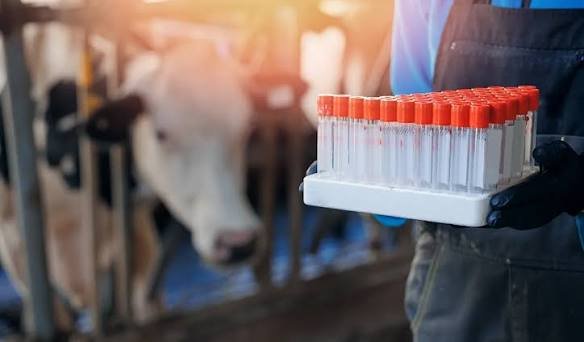
The National Veterinary Services Laboratories detected HPAI H5 clade 2.3.4.4b by polymerase chain reaction (PCR) after cattle in the two herds developed clinical signs consistent with avian influenza. APHIS said the affected herds had previously tested negative through routine surveillance conducted under the National Milk Testing Strategy.
The finding is significant because it demonstrates that negative routine surveillance results do not eliminate the possibility of subsequent infection. Washington authorities and USDA are conducting additional on-farm investigations, diagnostic testing and epidemiological data collection to understand how the virus entered the herds and how further spread can be prevented.
First confirmed livestock detections in Washington
APHIS said the two affected herds were in Washington, with the state agriculture department identifying the farms in Yakima County. The agency planned to complete genetic sequencing and publish final results when available.
Since the HPAI outbreak in US dairy cattle began in March 2024, infections have been reported in dairy herds across 19 states. APHIS noted that only a limited number of states had reported cattle cases during 2026 before the Washington detections.
The appearance of infection in a new state expands the geographic footprint of the dairy-cattle outbreak and reinforces the importance of maintaining surveillance even in areas without previously confirmed livestock cases.
The detection does not, by itself, establish the route of introduction. Potential exposure pathways must be investigated through farm-level epidemiology, including contact with wild birds, movement of animals, shared equipment, people and vehicles, and other routes that may connect premises.
Milk safety and occupational exposure
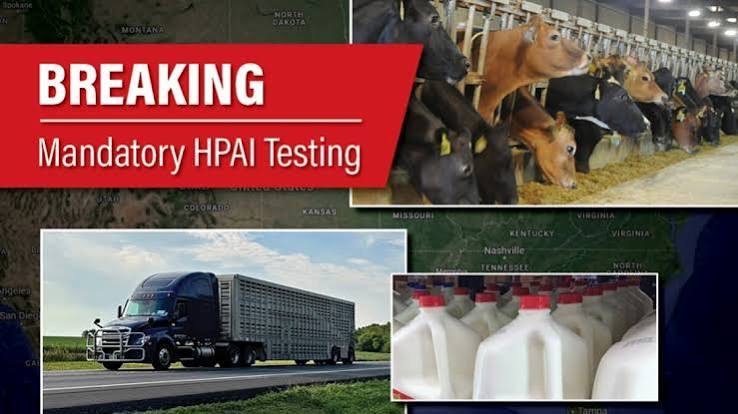
USDA stated that the detections do not change its HPAI eradication strategy and do not pose a risk to consumer health through the commercial pasteurised milk supply. The agency said milk from affected animals is diverted from the commercial milk tank or destroyed rather than entering the human food supply.
The US Food and Drug Administration has maintained that pasteurisation effectively inactivates HPAI virus in milk. USDA also cited the Centers for Disease Control and Prevention’s assessment that the risk to the general public remains low, while people with occupational exposure to infected birds or mammals face a higher risk and should follow appropriate precautions.
This distinction is important for dairy workers, veterinarians, farm contractors and others who may handle sick animals or contaminated materials. Farm-level controls should include appropriate personal protective equipment, worker training, hygiene and prompt reporting of suspected cases.
What dairy producers should prioritise
APHIS continues to emphasise enhanced biosecurity across dairy operations. Practical measures include restricting unnecessary visitors, managing the movement of vehicles and equipment, separating sick animals, cleaning and disinfecting shared equipment, and maintaining records that support traceability.
Producers should also monitor animals for changes in milk production, appetite, behaviour and general health. Any unusual illness should be reported promptly to the relevant state veterinarian or animal-health authority. A surveillance system is most effective when laboratory testing is combined with clinical observation and timely field investigation.
The Washington detections also highlight the value of coordination between state animal-health agencies, federal laboratories, dairy producers and veterinary practitioners. Rapid reporting and information sharing can help determine whether cases are isolated or part of a broader transmission pattern.
Implications for the animal-health industry
For veterinary diagnostic companies, the development reinforces demand for reliable testing, rapid sample handling and field-to-laboratory surveillance systems. For dairy businesses, it highlights the operational value of biosecurity planning, staff training and documented response protocols.
Equipment suppliers and farm-service providers may also have a role in improving hygiene and movement control around milking areas, animal housing and transport routes. However, investments should be driven by assessed farm risks and official guidance rather than assumptions about the outbreak’s source.
Analyst view
The immediate priority is to establish the epidemiological picture, contain further spread and maintain transparent communication with producers and workers. The longer-term challenge is to sustain effective surveillance across a large, interconnected dairy industry without creating unnecessary disruption to milk production or trade.
For the US dairy sector, the Washington detections are a reminder that HPAI preparedness must remain active even in states that have not previously reported infections in cattle.

