


Farmers Rally Against Proposed India–US Trade Agreement
Hundreds of dairy and livestock farmers gathered on 21 July 2026 at the Shambhu border on the Punjab–Haryana border as part of a nationwide protest against the proposed India–US Bilateral Trade Agreement. The demonstration, organised under the Desh Bachao Morcha banner, was followed by a planned Kisan Mahapanchayat in Delhi, where farmer organisations expressed concerns about the possible impact of the trade pact on Indian agriculture and the dairy sector. Authorities deployed heavy security, erected barricades and restricted the movement of protestors travelling towards the national capital.
The protest highlights the growing debate over how future trade agreements could affect India’s livestock producers, dairy cooperatives and millions of smallholder farming families.
Why Are Farmers Opposing the Trade Deal?
Farmer organisations argue that lowering tariffs or expanding market access for agricultural products from the United States could expose Indian farmers to competition from large-scale, highly mechanised agricultural systems. Their principal concerns include:
-
Increased imports of dairy products
-
Pressure on domestic milk prices
-
Reduced profitability for small livestock farmers
-
Greater competition for Indian agricultural products
-
Potential impact on rural livelihoods
Farmer leaders have urged the government to ensure that any final agreement adequately protects India’s agricultural and dairy sectors before it is signed.
Why Dairy Is at the Centre of the Debate
India is the world’s largest milk producer, producing more than 240 million tonnes of milk annually according to recent government estimates. The dairy sector is one of India’s most important rural industries:
-
Supports more than 80 million rural households
-
Most dairy farmers own two to five cattle or buffaloes
-
Milk provides regular daily income unlike many seasonal crops
-
Dairy contributes significantly to agricultural Gross Value Added (GVA)
Unlike several developed countries, India’s dairy industry is dominated by millions of smallholder farmers rather than large industrial farms. Industry groups therefore argue that even modest changes in import policy could influence domestic market prices.
Concerns About Dairy Imports
One of the most debated issues is the possibility of expanded imports of dairy products from the United States.
Farmer organisations have repeatedly argued that differences in production systems, farm scale and government support could create an uneven competitive environment if import barriers are reduced.
The United States has long sought greater access to India’s dairy market during bilateral trade discussions, while India has maintained strict sanitary requirements and market protections for dairy imports.
The final outcome of ongoing negotiations remains under discussion, and no final agreement has yet been announced.
Security Tightened at the Shambhu Border
As hundreds of farmers assembled to travel towards Delhi, Haryana authorities increased security along the Shambhu border. According to multiple reports:
-
Multi-layer barricades were installed
-
Cement blocks were placed on approach roads
-
Police personnel were deployed in large numbers
-
Vehicle inspections were intensified
-
Traffic restrictions were introduced around Delhi
The measures were intended to manage movement towards the planned protest gathering in the national capital.
Why This Matters for the Animal Health Industry
Although the protests focus primarily on trade policy, the outcome could have broader implications for the animal health sector. India’s dairy industry generates demand for:
-
Veterinary vaccines
-
Mastitis control products
-
Reproductive health services
-
Feed additives
-
Nutritional supplements
-
Diagnostics
-
Parasite control products
-
Artificial insemination services
Any significant change in dairy economics could influence future investment in animal health, herd productivity and preventive veterinary care.
India’s Dairy Industry by the Numbers
The scale of India’s dairy sector explains why trade negotiations are attracting close attention.
Key facts:
-
India is the largest milk producer globally.
-
Milk contributes substantially to the country’s agricultural economy.
-
Millions of smallholder farmers depend on dairy as a primary or supplementary source of household income.
-
Dairy remains one of the fastest-growing segments of Indian agriculture.
-
Demand for veterinary medicines, vaccines and nutritional products continues to expand alongside growth in milk production.
Because of this economic importance, farmer organisations argue that dairy should remain a sensitive sector in international trade negotiations.
Government Yet to Finalise Agreement
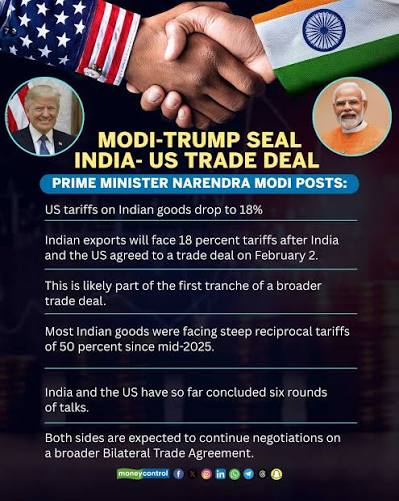
Negotiations on the proposed India–US Bilateral Trade Agreement are continuing. The Government of India has not announced a final agreement, and officials have indicated that discussions remain ongoing across several sectors, including agriculture.
Industry observers expect agricultural market access, sanitary standards and dairy imports to remain among the most closely negotiated issues before any agreement is concluded.
Industry Perspective
The July 21 demonstrations reflect the importance of agriculture and dairy within India’s economy. While supporters of a bilateral trade agreement point to potential opportunities for exports, investment and stronger economic ties, many farmer organisations remain concerned about protecting the livelihoods of small producers.
For the animal health industry, the discussions are significant because India’s livestock sector underpins demand for veterinary pharmaceuticals, vaccines, diagnostics, feed additives and herd health services. The eventual structure of any trade agreement could influence the long-term business environment for dairy production, livestock management and veterinary care.
Key Highlights
-
Hundreds of farmers gathered at the Shambhu border on 21 July 2026 to protest the proposed India–US Bilateral Trade Agreement.
-
The demonstrations were organised under the Desh Bachao Morcha banner and centred on concerns about agriculture and dairy imports.
-
Farmer organisations argue that increased imports could place additional pressure on smallholder dairy and livestock producers.
-
India remains the world’s largest milk producer, with dairy supporting millions of rural households and serving as a major driver of demand for animal health products.
-
Negotiations on the India–US trade agreement are continuing, and no final agreement has yet been announced.

