


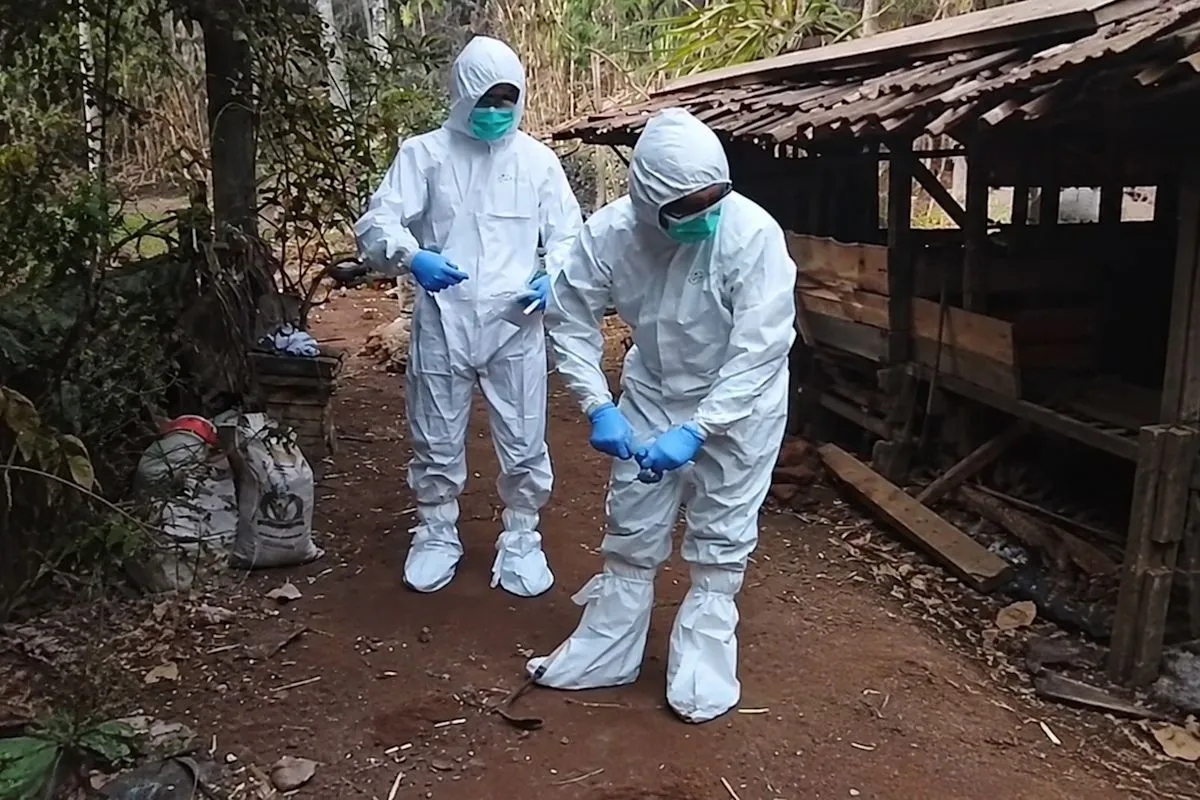
YOGYAKARTA, INDONESIA — October 5, 2026: Indonesian animal-health authorities have intensified disease-control measures following confirmation of anthrax in livestock in Dadapayu Village, Gunungkidul, Yogyakarta, triggering a coordinated response involving veterinary surveillance, vaccination, disinfection and epidemiological investigation.
The detection highlights the continuing importance of livestock disease surveillance in Indonesia, where anthrax remains a significant veterinary and One Health concern because of its ability to cause severe disease and mortality in susceptible animals and its potential implications for people exposed to infected animals or contaminated environments.
Veterinary Response Focuses on Containment
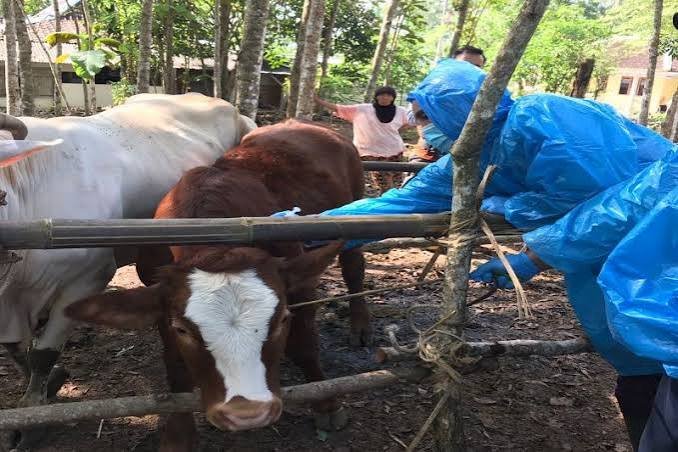
Following the detection, local animal-health authorities have undertaken field investigations and strengthened surveillance around the affected area. Control activities include examination of livestock, laboratory investigation, vaccination where indicated and disinfection of potentially contaminated environments.
Anthrax is caused by Bacillus anthracis, a spore-forming bacterium capable of persisting in soil for prolonged periods. Cattle, buffaloes, sheep, goats and other herbivores can be susceptible. Sudden death in apparently healthy livestock can be an important clinical warning sign.
The environmental persistence of anthrax spores makes disease control fundamentally different from managing an infection that survives primarily through animal-to-animal transmission. Contaminated soil, carcasses and animal products can represent continuing sources of infection.
Why the Detection Matters
For Indonesia’s livestock sector, the incident reinforces the economic importance of early detection and preventive vaccination, particularly in areas with historical environmental risk.
An effective response requires more than treating individual animals. Veterinary authorities need to combine surveillance, laboratory confirmation, vaccination, movement management where necessary, safe carcass handling and environmental decontamination.
The incident also demonstrates the importance of the One Health approach, because occupational exposure to infected livestock can create risks for farmers, veterinarians, slaughter workers and others handling potentially contaminated material.
Implications for Animal Health Companies
The episode creates a broader reminder of the market opportunities surrounding livestock infectious-disease prevention. Potential areas of demand include:
-
anthrax vaccines;
-
veterinary diagnostics;
-
field surveillance;
-
biosecurity and disinfection products;
-
livestock identification and traceability;
-
veterinary laboratory services; and
-
One Health surveillance systems.

