HomeMarket ReportsDemand Surges for Livestock Feed Stress Modulators: Climate Change, Heat Stress and...

Demand Surges for Livestock Feed Stress Modulators: Climate Change, Heat Stress and Precision Nutrition Drive Global Market Growth

Heat stress, transport, weaning, disease challenges and intensive production systems are increasing physiological stress across livestock species. As a result, demand for feed additives that help animals cope with stress is growing rapidly, with nutrition companies expanding portfolios of vitamins, minerals, phytogenics, probiotics and functional ingredients designed to improve resilience, immunity and productivity.

Industry analysts estimate the global feed additives market exceeds US$45 billion, while the specialised segment focused on stress modulation—including antioxidants, osmolytes, electrolytes, phytogenics and gut-health additives—is one of the fastest-growing categories, with annual growth commonly estimated in the high single digits.

Why Stress Management Matters

Stress affects virtually every commercial livestock species:

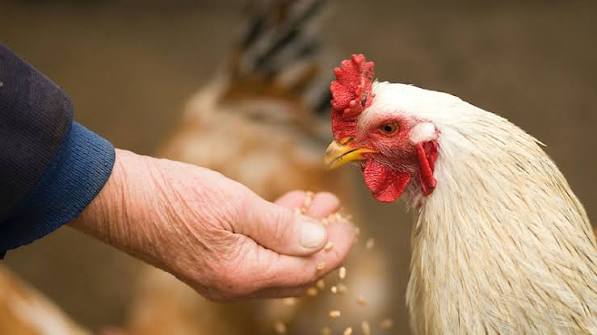
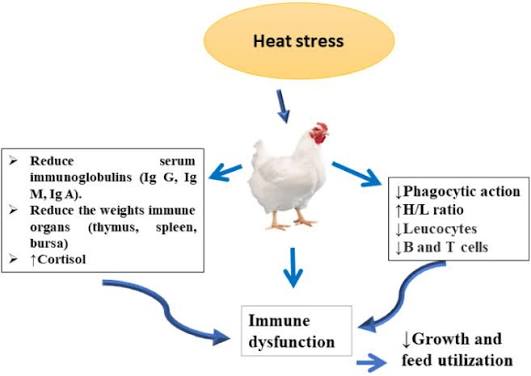
Poultry: reduced feed intake, slower growth, poorer feed conversion, lower egg production and higher mortality.

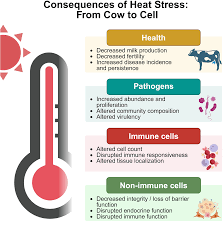
Dairy cattle: lower milk yield, impaired fertility and increased metabolic disorders.

Swine: poorer daily weight gain, post-weaning setbacks and reduced reproductive performance.

Aquaculture: weakened immunity, slower growth and higher disease susceptibility.

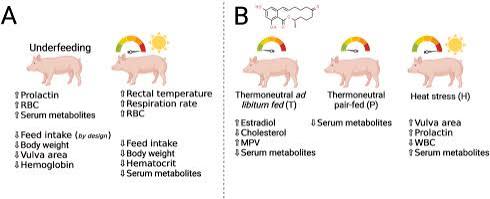
Heat stress is becoming a particularly important concern as climate change increases the frequency of extreme temperatures across Asia, Europe and North America.
How Feed Stress Modulators Work

Modern stress-modulating feed additives target several biological pathways:

Reducing oxidative stress through antioxidants
Supporting electrolyte and fluid balance during heat stress
Protecting gut integrity and the intestinal microbiome
Enhancing immune function
Improving nutrient utilisation and recovery from physiological stress

Common ingredients include:

Vitamin C
Vitamin E
Selenium
Zinc
Chromium
Magnesium
Betaine
Probiotics
Yeast-derived products
Organic acids
Plant extracts and essential oils
Major Companies Expanding Their Portfolios

Several multinational animal nutrition companies have developed products specifically positioned for stress management and resilience.

Company Representative products
DSM-Firmenich Hy-D®, CRINA®, Rovimix® vitamins, Selamex® organic selenium
Cargill Micronutrition solutions, electrolyte and heat-stress nutrition programmes
Kemin KemTRACE®, CLOSTAT®, ButiPEARL®
Alltech Sel-Plex®, Actigen®, Bio-Mos®, Yea-Sacc®
EW Nutrition Activo®, Pretect®, Ventar D®
Delacon Phytogenic feed additives for heat stress and gut health
Novus Mintrex® chelated minerals, Cibenza® enzymes
Adisseo Selisseo®, Alterion® probiotic
Lallemand Animal Nutrition Levucell®, BACTOCELL®
Trouw Nutrition (Nutreco) Selko® organic acids, IntelliBond® trace minerals

Many companies now combine multiple functional ingredients into integrated stress-management programmes rather than relying on a single additive.

Heat Stress Products Gain Momentum

Heat stress remains one of the strongest growth drivers. Popular nutritional strategies include:

Betaine as an osmoprotectant.
Electrolyte supplementation.
Organic selenium.
Vitamin C and Vitamin E.
Live yeast products.
Probiotics.
Phytogenic plant extracts.
Protected trace minerals.

Many commercial poultry and dairy operations now introduce heat-stress formulations before the onset of summer.

Scientific Evidence Continues to Grow

Published research over the past two decades has shown that nutritional stress modulators can:

Improve feed intake during heat stress.
Reduce oxidative damage.
Enhance immune responses.
Improve feed conversion efficiency.
Support intestinal barrier integrity.
Reduce mortality under challenging conditions.
Improve milk production and growth performance in selected production systems.

The greatest benefits are generally observed when nutritional interventions are combined with good housing, ventilation, water availability and overall herd or flock management.

India Presents Strong Growth Potential

India represents an important growth market due to: Rising summer temperatures, Expanding poultry and dairy industries, Greater adoption of precision nutrition, Increasing awareness of gut health and antioxidant supplementation, Growing demand for antibiotic-reduction strategies.

Domestic companies are also investing in herbal feed additives, probiotics and phytogenic formulations tailored to tropical production systems.

Outlook

Climate variability, pressure to improve feed efficiency and increasing focus on animal welfare are expected to sustain demand for nutritional stress-management solutions over the coming years.

Future product development is likely to focus on precision nutrition, microbiome-targeted formulations, natural phytogenics and combinations of vitamins, minerals, probiotics and functional plant extracts that help livestock maintain health and productivity under increasingly challenging production conditions.

Animal Health India Editorial Team
Animal Health India Editorial Teamhttps://animalhealthindia.com
Animal Health India (AHI) is an independent news and intelligence platform covering the global animal health, veterinary, livestock, poultry, companion animal and pet food sectors. Our editorial team comprises veterinary journalists, animal health professionals, regulatory affairs specialists and industry analysts with over 30 years of combined experience covering India, Asia, Europe and North America. AHI publishes news, regulatory updates, market intelligence and company news drawn from primary sources including DAHD, EMA, USDA, AVMA and leading veterinary publications worldwide.
RELATED ARTICLES