


HomeCorporateMars Earmarks €24 Million for Wet Cat Food Packaging Upgrades at German...

Mars Earmarks €24 Million for Wet Cat Food Packaging Upgrades at German Pet Food Plant

The investment at Verden will fund new machinery for Sheba multipacks and a single-serve pouch packaging line, forming part of Mars’ €85 million investment programme across Germany for 2026–2027.

VERDEN, GERMANY — 13 October 2026: Mars is planning approximately €24 million (about US$28 million) in new investment at its pet food manufacturing facility in Verden, Lower Saxony, Germany, as the company prepares to upgrade packaging capabilities for its wet pet food portfolio. The investment forms part of a wider programme under which Mars intends to invest around €85 million (approximately US$98 million) across its German manufacturing sites during 2026 and 2027.

The Verden investment comprises more than €18 million for machinery and equipment to produce Sheba multipacks and approximately €6 million for a new single-serve pouch packaging line. Both projects are scheduled within the investment period through the end of 2027, according to Mars’ German announcement and industry reporting by eFeedLink. The company has not disclosed the additional annual output expected from the new equipment or quantified the anticipated sales impact.

The planned spending underscores the continuing importance of manufacturing infrastructure, packaging technology and product-format development in the competitive wet pet food sector. It also reinforces Verden’s position within Mars Petcare’s European manufacturing network and its global wet-food research activities.
€24 million allocated to two packaging projects

The planned investment is focused on two distinct packaging requirements at the Verden site.

More than €18 million is earmarked for new machinery and equipment supporting the production of Sheba multipacks. A further approximately €6 million is intended for the installation of a new pouch packaging line for single-serve portions.

Together, the projects represent around €24 million of planned investment in the facility over the 2026–2027 period. They form part of a broader programme covering Mars’ German operations, rather than a standalone investment across the company’s entire global pet food business.

The distinction between the two projects is commercially relevant. Multipack machinery supports the assembly and packaging of products sold together, while a pouch line is designed for individual portions. Both formats require packaging systems that can integrate with production schedules, maintain product quality and meet food-safety and operational requirements.

However, Mars has not publicly specified the line speeds, production volumes, number of new machines, expected utilisation rates or whether the upgrades will create additional jobs at Verden. It would therefore be premature to quantify the projects’ impact on capacity, employment or profitability.

Verden: a strategic wet pet food manufacturing and research location

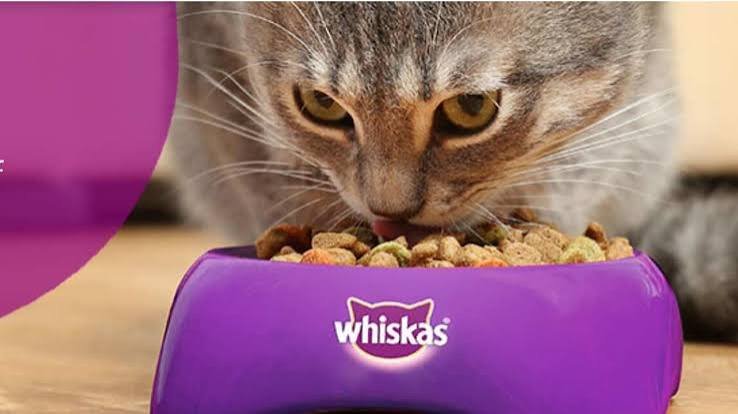
The Verden facility is one of Mars’ established pet food manufacturing locations in Germany. The company produces several major brands there, including Whiskas, Sheba, Cesar and Kitekat. Mars also identifies the site as its global centre for wet pet food research.
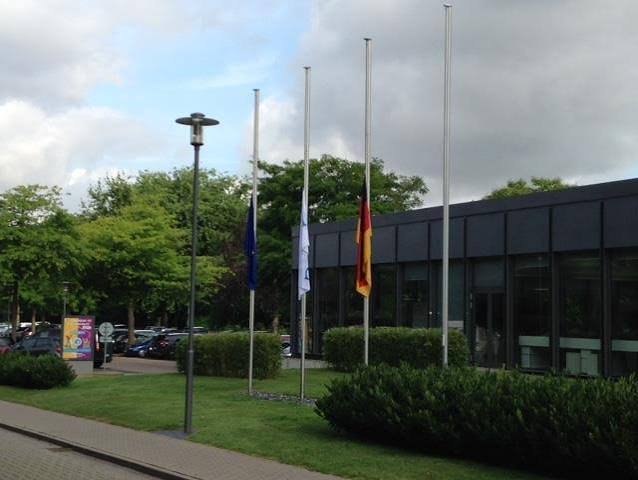
The plant dates back to 1959, according to the company’s German investment announcement. Its role extends beyond supplying the domestic German market: Mars says its German manufacturing operations support consumers locally while exporting products to more than 100 countries worldwide.

The combination of manufacturing and research activities makes the Verden site strategically relevant to product development, process optimisation and the transfer of technical knowledge into commercial production. The new packaging equipment is intended to strengthen the plant’s production infrastructure, although Mars has not stated that the investment is tied to a specific new product launch or a change in its research programme.

For a multinational pet food manufacturer, maintaining established facilities can support continuity of supply while providing opportunities to update production processes and packaging formats. The precise operational benefits of the Verden projects will become clearer as the equipment is installed and brought into service.

Part of a €235 million investment programme in Germany

Mars’ planned expenditure at Verden sits within a larger commitment to its German operations.

The company announced approximately €85 million in planned investment across its German sites for 2026 and 2027. It also reported that more than €150 million had already been invested between 2021 and 2025. Combined, those amounts take Mars’ stated multi-year investment programme in Germany to more than €235 million for 2021–2027.

Within the pet food business specifically, Mars says around €59 million was invested in the infrastructure of its German pet food operations between 2021 and 2025. Previous developments at Verden included a new goods-receiving area, a new silo installation and modernised office facilities intended to support employee health and wellbeing.
The new €24 million allocation therefore represents the next phase of investment at an existing production hub rather than the announcement of a new factory.

Mars has also outlined investment at its Viersen site in North Rhine-Westphalia, which manufactures confectionery products. Its broader German programme includes manufacturing modernisation, process optimisation, quality and safety improvements, automation and preparation for future packaging requirements. The €85 million figure covers German manufacturing sites and should not be interpreted as spending exclusively on pet food.

What the investment signals for the wet pet food market

The announcement provides a useful indicator of where Mars is directing capital within its established pet food operations: toward packaging capability and the manufacture of defined product formats.

Packaging is an integral part of wet pet food production. Equipment must accommodate the characteristics of the product, maintain packaging integrity, operate reliably and support the handling and distribution requirements of finished goods. Changes to packaging lines can also affect how manufacturers schedule production and manage product-format complexity.

Multipacks and single-serve pouches address different packaging configurations. The planned Sheba multipack machinery is intended to support that brand’s multipack production, while the new pouch line will add equipment for individual portions. The announcement does not, however, establish whether either project will result in new pack sizes, lower consumer prices, changes to recipes or a broader Sheba product launch.

The projects may also offer Mars an opportunity to update equipment and improve manufacturing flexibility, but such benefits should be treated as potential outcomes rather than confirmed results until the company releases operational data.

For competitors and suppliers, the investment is worth monitoring because packaging machinery, line integration, automation and maintenance are important elements of the pet food manufacturing value chain. The scale of Mars’ spending does not by itself establish an industry-wide investment trend, but it demonstrates that a major manufacturer continues to allocate capital to its established wet-food infrastructure.

Manufacturing, supply continuity and international reach

Mars describes its German strategy as producing in Europe for European consumers while also supplying international markets. Its German business employs more than 5,800 people across more than 90 locations and recorded annual revenue exceeding €2 billion in 2025, according to the company.

The Verden facility contributes to that wider footprint through its established pet food brands and wet-food research activities. Investment in packaging equipment can form part of a manufacturer’s longer-term effort to keep facilities aligned with product requirements and production needs.

Nevertheless, the public announcement does not provide enough information to determine whether the new lines will increase total output, replace existing equipment, reduce unit costs or alter the balance of domestic and export production. Nor has Mars provided a project-level return-on-investment estimate.

These details will matter when assessing the financial and competitive consequences of the investment. Installation milestones, commissioning dates, production performance and subsequent disclosures could help establish whether the projects primarily modernise existing operations or materially expand output.

Outlook: execution through the end of 2027

Mars’ plan allocates a substantial amount of capital to two specific packaging projects at Verden, with completion targeted within the broader 2026–2027 investment window. The next milestones will be the installation and commissioning of the new Sheba multipack equipment and the pouch packaging line.

For the pet food industry, the immediate significance is clear: Mars is continuing to invest in its German manufacturing base, with wet cat food and packaging capability among the priorities. The projects build on previous infrastructure spending at Verden and sit within a wider €85 million investment programme for Germany.

The eventual commercial impact remains to be demonstrated. Mars has not announced incremental capacity, sales targets, productivity gains or job creation attributable to the €24 million allocation. Until those indicators become available, the investment is best understood as a planned upgrade to manufacturing and packaging infrastructure—not as evidence of a quantified increase in market share or production.

Animal Health India Editorial Team
Animal Health India Editorial Teamhttps://animalhealthindia.com
Animal Health India (AHI) is an independent news and intelligence platform covering the global animal health, veterinary, livestock, poultry, companion animal and pet food sectors. Our editorial team comprises veterinary journalists, animal health professionals, regulatory affairs specialists and industry analysts with over 30 years of combined experience covering India, Asia, Europe and North America. AHI publishes news, regulatory updates, market intelligence and company news drawn from primary sources including DAHD, EMA, USDA, AVMA and leading veterinary publications worldwide.
RELATED ARTICLES