HomeCompanion AnimalsMultiple Co-morbidities More Than Double Mortality Risk in Dogs, Dog Aging Project...

Multiple Co-morbidities More Than Double Mortality Risk in Dogs, Dog Aging Project Finds

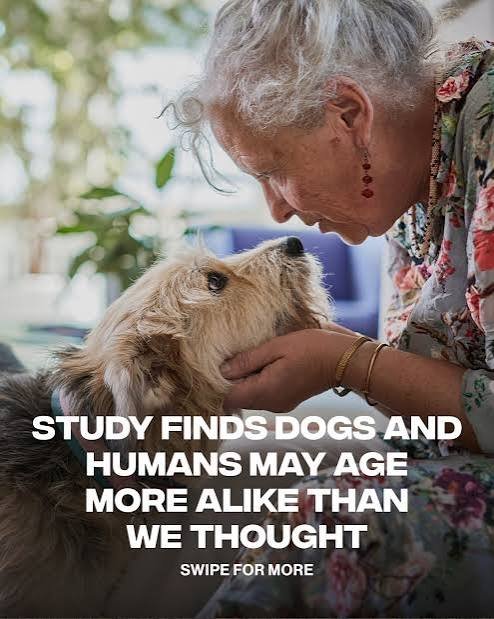
A large analysis of more than 50,000 companion dogs from the Dog Aging Project (DAP) has found that accumulation of multiple chronic health conditions is strongly associated with mortality, providing new evidence that dogs can serve as a valuable translational model for human ageing. The study was published in GeroScience.

The most striking finding was that dogs with five or more reported chronic conditions were more than twice as likely to die during a given year compared with dogs with only one reported condition, after accounting for factors including age and enrollment duration.

Multiple co-morbidities shorten life in dogs

Disease burden, not just individual diagnoses

The study found that canine diseases do not simply accumulate independently. Multimorbidity patterns frequently showed either synergistic effects between conditions or the influence of one dominant condition.

Three conditions appeared repeatedly across multimorbidity patterns:

  • Osteoarthritis

  • Overweight

  • Cancer

The researchers also found that the probability of subsequently reporting another condition varied according to conditions already reported, suggesting that disease history may influence the trajectory of later morbidity.

Importantly, the analysis indicated that overall ageing was the strongest underlying driver of disease development, rather than the other covariates examined.

Why this matters for veterinary medicine

The findings strengthen the case for moving from a single-disease treatment model toward integrated management of ageing dogs.

For veterinary and animal-health companies, the commercial implications extend across: Weight management → mobility/OA → chronic disease monitoring → cancer detection → preventive care → longevity

The study also reinforces the potential of companion dogs as a translational model for human ageing, because dogs share human environments, receive individual medical care and develop naturally occurring age-related diseases over a substantially shorter lifespan.

Bottom line

The DAP analysis suggests that the number and interaction of chronic conditions may be as important as any single diagnosis when assessing canine survival. With more than 50,000 dogs represented, the findings provide a strong evidence base for more integrated approaches to senior-pet health, prevention and longevity.

Source: Dog Aging Project Consortium, GeroScience, 2026; Texas A&M University College of Veterinary Medicine.
Animal Health India Editorial Team
Animal Health India Editorial Teamhttps://animalhealthindia.com
Animal Health India (AHI) is an independent news and intelligence platform covering the global animal health, veterinary, livestock, poultry, companion animal and pet food sectors. Our editorial team comprises veterinary journalists, animal health professionals, regulatory affairs specialists and industry analysts with over 30 years of combined experience covering India, Asia, Europe and North America. AHI publishes news, regulatory updates, market intelligence and company news drawn from primary sources including DAHD, EMA, USDA, AVMA and leading veterinary publications worldwide.

RELATED ARTICLES