HomeCorporateNew Oral Diabetes Drugs Raise a New Question: What Should Diabetic Cats...

New Oral Diabetes Drugs Raise a New Question: What Should Diabetic Cats Eat?

At ongoing AVMA Annual Convention in California this week, out of little over 700 CE Sessions – the most interesting discussion cetred around diet for diabetic cats already on newer class of drugs known as SGLT-2 Inhibitors.

Anaheim, California, July 11, 2026: New oral medicines are changing the treatment of diabetes in cats. But their growing use has raised an important question for veterinarians: should a cat’s diet change when treatment with an SGLT2 inhibitor begins?

The issue came into focus during the AVMA Convention 2026, where veterinary diabetes expert Dr Ellen Behrend discussed diet for cats receiving these newer oral diabetes drugs.

Her message was clear: veterinary medicine still does not have a final answer on the best diet for cats treated with SGLT2 inhibitors.

Oral medicines are changing feline diabetes treatment

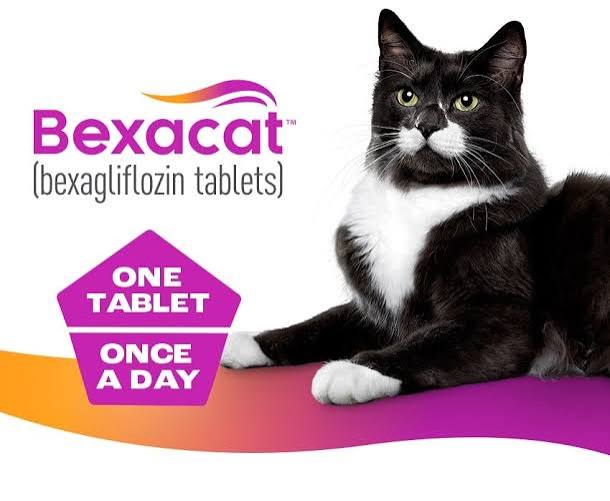
For decades, insulin injections have been central to the treatment of feline diabetes. That changed with the arrival of oral medicines such as Bexacat, containing bexagliflozin, and Senvelgo, containing velagliflozin.

The US FDA approved Bexacat in December 2022 as the first oral medicine of its type for certain diabetic cats. Senvelgo received FDA approval in August 2023. Both are intended for carefully selected cats with diabetes that have not previously been treated with insulin.

These medicines lower blood sugar by helping the kidneys remove more glucose through urine.

FDA field-study data showed that both Bexacat and Senvelgo were more than 80% effective in improving blood sugar control in the cats studied.

But what should these cats eat?

This is where the debate becomes interesting. Dr Behrend said there is currently no established diet recommendation specifically for cats receiving SGLT2 inhibitors.

In human medicine, high-fat and high-protein diets used with this group of medicines have raised concerns about a serious condition called diabetic ketoacidosis, or DKA. However, cats process food very differently from people.

Dr Behrend said she continues to recommend the type of diet commonly used for diabetic cats, including diets higher in protein and fat, until research shows that a different approach is needed.

The important point is simple: diet advice from human diabetes treatment cannot automatically be applied to cats.

Experts advise against changing food immediately

One of the most practical recommendations from the AVMA discussion concerned timing. Dr Behrend advises veterinarians not to change a cat’s diet at the same time that SGLT2 inhibitor treatment begins.

Instead, she suggests waiting about two weeks after starting the medicine, once the cat is stable, before attempting a diet change. There is a straightforward reason.

SGLT2 inhibitors can cause vomiting and diarrhoea. A sudden food change can also cause similar digestive problems.

If the medicine and diet are changed together, it may become difficult for the veterinarian to identify the cause of the problem. Starting the medicine first and changing the diet later may make monitoring clearer.

Patient selection remains critical

The new oral medicines are not suitable for every diabetic cat. The FDA has issued detailed safety warnings for both Bexacat and Senvelgo.

These drugs should not be used in cats that require insulin. The FDA also warns about the risk of DKA and a form of the condition that can occur even when blood glucose is not unusually high. Both can be life-threatening.

Cats that are not eating properly, are dehydrated or appear unusually tired should not begin treatment without appropriate examination and testing.

The FDA also stresses the need for close monitoring, particularly during the first weeks of treatment.

A cat that stops eating needs urgent attention

Food intake becomes especially important during SGLT2 inhibitor treatment. The FDA advises veterinarians to consider temporarily stopping Senvelgo during periods of reduced food intake because this may increase the risk of DKA.

Sudden loss of appetite, tiredness, dehydration or weight loss in a treated cat should trigger immediate veterinary assessment.

This means diet is not simply a question of choosing between wet food, dry food or a high-protein diet.

Whether the cat is eating normally can itself become an important safety signal.

Diet may have a bigger role in feline diabetes than previously thought

Separate research discussed at the 2026 Western Veterinary Conference has also renewed interest in nutrition and weight management for diabetic cats. In a controlled study involving overweight diabetic cats, targeted calorie reduction was linked with diabetes remission in around 50% of cats in the intervention group. Cats receiving the weight-reduction programme were reported to be more than twice as likely to achieve remission as control cats fed to maintain excess weight. The findings were discussed ahead of full publication.

The results add to growing evidence that body weight, calorie intake and diet need to be considered alongside diabetes medicines.

Feline diabetes treatment is entering a new phase

The arrival of Bexacat and Senvelgo has given veterinarians new options for treating selected diabetic cats. But the AVMA 2026 discussion highlights an important gap in current knowledge.

We know these oral medicines can improve blood sugar control in carefully selected cats. We do not yet know the ideal diet to use alongside them. For now, experts are calling for careful patient selection, close monitoring and a cautious approach to diet changes.

The next major step in feline diabetes research may therefore be less about developing another medicine—and more about answering a basic question:

What should a diabetic cat eat when oral diabetes treatment begins?

Animal Health India Editorial Team
Animal Health India Editorial Teamhttps://animalhealthindia.com
Animal Health India (AHI) is an independent news and intelligence platform covering the global animal health, veterinary, livestock, poultry, companion animal and pet food sectors. Our editorial team comprises veterinary journalists, animal health professionals, regulatory affairs specialists and industry analysts with over 30 years of combined experience covering India, Asia, Europe and North America. AHI publishes news, regulatory updates, market intelligence and company news drawn from primary sources including DAHD, EMA, USDA, AVMA and leading veterinary publications worldwide.

RELATED ARTICLES