



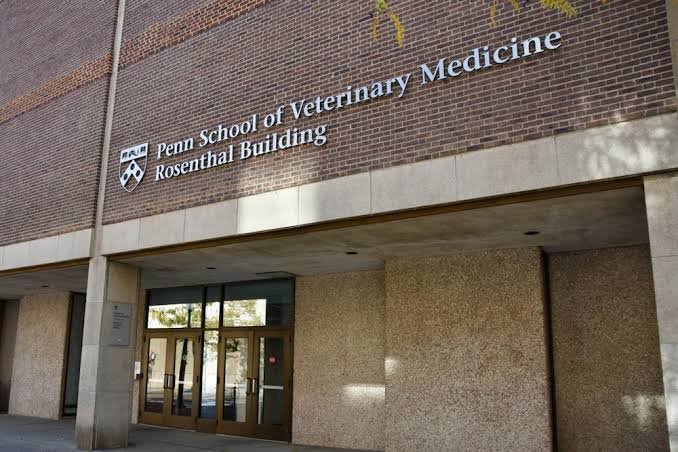
The University of Pennsylvania’s School of Veterinary Medicine (Penn Vet) has broken ground on a US$94 million Veterinary Diagnostic Laboratory (VDL) at its New Bolton Center in Chester County.
The planned facility will cover approximately 63,000 square feet and consolidate two major diagnostic operations: the Pennsylvania Animal Diagnostic Laboratory System (PADLS) laboratory and the Pennsylvania Equine Toxicology Research Laboratory (PETRL).

Scale of existing demand
The existing PADLS New Bolton laboratory performed more than 279,000 diagnostic tests in the previous year, demonstrating the scale of veterinary diagnostic demand already moving through the system. PETRL typically tests approximately 30,000 samples annually from six Pennsylvania racetracks.
The new facility is designed to provide substantially improved analytical and research space while allowing future expansion.
Why diagnostics infrastructure matters
Modern animal-health systems increasingly depend on speed of diagnosis. For livestock, delayed diagnosis can mean:
more transmission → more animals exposed → higher intervention cost.
For public health, the stakes can be even higher where zoonotic pathogens are involved. For the food chain, rapid diagnosis can determine whether animals, products or facilities can continue operating.
One facility, multiple functions
The new VDL brings together: routine veterinary diagnostics, animal-disease surveillance, equine toxicology, food-safety support and research
This convergence is strategically important because diagnostic infrastructure increasingly serves several stakeholders simultaneously:
-
farmers
-
veterinarians
-
regulators
-
public-health agencies
-
food companies
-
racing authorities
-
researchers
Analyst view
The $94 million investment signals a broader structural change: veterinary diagnostics are becoming critical infrastructure.
This is comparable to the role that sophisticated laboratories play in human healthcare. The industry’s next phase is likely to involve:
-
faster molecular testing
-
sequencing
-
multiplex diagnostics
-
antimicrobial-resistance testing
-
pathogen surveillance
-
digital reporting
-
AI-assisted interpretation

