


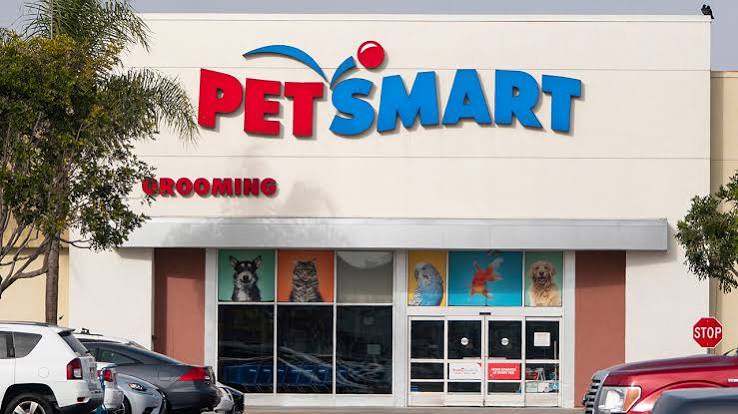
The global pet care industry continues to expand, but the way pet owners shop is changing rapidly. One of the clearest signs of this shift is PetSmart’s decision to permanently close its only store in San Francisco, California, citing changing consumer shopping habits and the growing popularity of online purchasing, subscription services and home delivery.
The closure is more than an isolated retail decision. It reflects a broader transformation taking place across the pet industry, where digital commerce is becoming increasingly important while physical stores are evolving from traditional retail outlets into service-focused destinations.
PetSmart Closes Its Last San Francisco Store
PetSmart confirmed that its store at 2675 Geary Boulevard will permanently close on July 19, 2026.
According to the company, more customers are choosing online ordering, Autoship subscriptions and same-day delivery, prompting PetSmart to adjust its retail footprint. Rather than exiting the San Francisco market entirely, the retailer plans to expand fulfillment capabilities at its nearby Daly City location to better support online orders.
The move marks the end of PetSmart’s physical presence within San Francisco city limits while reinforcing its investment in omnichannel retail.
Online Shopping Is Reshaping the Pet Retail Industry
The closure reflects a trend affecting retailers across multiple sectors. Pet owners increasingly prefer purchasing routine items such as:
-
Pet food
-
Cat litter
-
Dog treats
-
Flea and tick products
-
Supplements
-
Grooming supplies
through digital channels that offer recurring deliveries and competitive pricing.
Subscription programs such as Autoship reduce the need for frequent store visits while ensuring essential products arrive automatically before supplies run out. This convenience has become particularly attractive for owners of multiple pets and for bulky products such as large bags of pet food.
Convenience Is Becoming More Important Than Location
Several consumer trends are driving the transition toward online purchasing. Modern pet owners increasingly value:
-
Home delivery
-
Same-day shipping
-
Subscription discounts
-
Mobile shopping apps
-
Digital prescription management
-
Easy product comparisons
Instead of making monthly trips to a physical store, many consumers now complete purchases in minutes using smartphones or retailer apps.
PetSmart itself continues investing heavily in digital services, including online ordering, curbside pickup, delivery and appointment booking for grooming, boarding and veterinary services.
Physical Stores Are Becoming Service Centers
Despite fewer visits for routine shopping, physical pet stores continue to play an important role. Unlike many online retailers, brick-and-mortar pet retailers offer services that cannot easily be delivered digitally, including:
-
Professional grooming
-
Veterinary clinics
-
Dog training
-
Pet boarding
-
Dog daycare
-
Adoption events
These services continue to attract customers while generating higher-margin revenue than traditional retail merchandise.
Industry analysts increasingly view physical locations as service hubs that complement online sales rather than compete with them.
Rise of Omnichannel Retail
Rather than choosing between online and offline retail, leading pet companies are combining both. This omnichannel strategy allows customers to:
-
Order online and collect in store
-
Receive same-day delivery
-
Schedule grooming appointments digitally
-
Purchase medications through online pharmacies
-
Access loyalty rewards across multiple shopping channels
The result is a more flexible customer experience that meets changing consumer expectations.
Independent Pet Stores Face Both Challenges and Opportunities
The growth of e-commerce presents challenges for independent pet retailers, particularly those relying heavily on product sales. However, many smaller stores continue to succeed by focusing on:
-
Personalized customer service
-
Premium pet nutrition
-
Local community engagement
-
Specialty products
-
Expert advice
-
Boutique grooming services
Consumers often seek trusted recommendations for nutrition, supplements and behavioral products—areas where knowledgeable local retailers can differentiate themselves from large online marketplaces.
Pet Industry Growth Remains Strong
Importantly, store closures do not indicate declining demand for pet care. Global spending on pets continues to rise as owners increasingly view companion animals as family members and invest more in nutrition, preventive healthcare, insurance, diagnostics and wellness products.
Growth is expected to continue across:
-
Premium pet food
-
Veterinary services
-
Pet insurance
-
Companion animal pharmaceuticals
-
Digital pet healthcare
-
Smart pet devices
-
Preventive wellness products

