



In a move aimed at enhancing infection prevention across veterinary facilities, Synexis, LLC has announced a strategic collaboration with Penn Veterinary Supply to expand access to Synexis DHP® (Dry Hydrogen Peroxide) technology for veterinary clinics, animal hospitals, equine practices, shelters and other animal care facilities across the United States. The partnership reflects growing demand for technologies that provide continuous pathogen control alongside conventional cleaning and disinfection practices.
The collaboration combines Synexis’ patented indoor air and surface pathogen control technology with Penn Veterinary Supply’s nationwide distribution network and long-standing relationships with veterinary professionals. Together, the companies aim to make advanced biosecurity solutions more accessible to practices seeking to reduce the risk of infectious disease transmission.
Rising Biosecurity Needs Are Driving Innovation
Veterinary hospitals and animal care facilities are facing increasing pressure to maintain high standards of infection prevention. Companion animal clinics, equine hospitals, boarding facilities and animal shelters routinely manage animals carrying bacteria, viruses and fungi that can spread through indoor environments.
While routine cleaning and surface disinfection remain essential, pathogens can re-enter the environment immediately after cleaning through infected animals, staff, visitors and airborne particles.
This has increased interest in technologies that operate continuously between scheduled cleaning cycles, providing an additional layer of environmental protection.
What Is Synexis DHP® Technology?
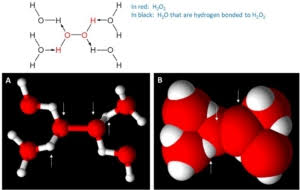
Synexis DHP® is a continuous dry hydrogen peroxide technology designed to reduce airborne and surface microorganisms in occupied indoor spaces.
Unlike traditional disinfectants that are applied periodically, the technology continuously generates low levels of dry hydrogen peroxide molecules that circulate throughout a room, helping reduce microbial contamination on exposed surfaces and in the air.
According to Synexis, the systems are designed for 24-hour operation in occupied environments and have been evaluated for zero ozone emissions under UL 2998 certification. The technology is regulated in the United States as an EPA-regulated device.
Expanding Access Through Penn Veterinary Supply
Founded in 1981, Penn Veterinary Supply is one of the United States’ established veterinary distributors, supplying products, equipment and continuing education resources to veterinary practices nationwide.
Under the new collaboration, veterinary customers will gain broader access to Synexis DHP® systems through Penn Veterinary Supply’s sales network and customer support teams.
The companies say the partnership is intended to help veterinary professionals adopt more proactive biosecurity strategies that complement—not replace—routine cleaning, sanitation and infection-control protocols.
Addressing Continuous Pathogen Exposure
One of the central themes of the partnership is the recognition that pathogen exposure is continuous, while traditional cleaning is periodic.
Dennis Doyle, Chief Executive Officer of Synexis, noted that conventional sanitation remains critical but is not designed to provide continuous control of airborne and surface pathogens between cleaning events. The collaboration is intended to help veterinary facilities strengthen their overall infection prevention strategies by adding continuous environmental protection.
Similarly, Penn Veterinary Supply said many veterinary customers are seeking technologies that improve indoor environmental quality while supporting day-to-day biosecurity operations.
Applications Across Multiple Animal Health Settings
The collaboration is expected to benefit a wide range of animal health facilities, including:
-
Veterinary clinics
-
Animal hospitals
-
Equine hospitals and stables
-
Animal shelters
-
Boarding kennels
-
Specialty referral centers
-
Rehabilitation facilities
-
Indoor animal care environments
These facilities often care for animals with infectious diseases or weakened immune systems, making environmental hygiene an important component of patient care.
Biosecurity Is Becoming a Strategic Priority
The partnership reflects a broader trend across the global animal health industry. Following recent outbreaks of avian influenza, African swine fever, equine infectious diseases and other emerging animal health threats, veterinary organizations are investing more heavily in preventive biosecurity measures.
Modern biosecurity strategies increasingly combine:
-
Vaccination
-
Routine cleaning and disinfection
-
Air quality management
-
Environmental monitoring
-
Staff training
-
Continuous pathogen control technologies

