HomeSwinePhilippines Pork Market Faces 1 Million-Tonne Surplus as Imports Surge

Philippines Pork Market Faces 1 Million-Tonne Surplus as Imports Surge

The Philippines could face a pork surplus of up to 1 million tonnes in 2026, as large inventories carried over from 2025 combine with continued imports and recovering domestic production, according to the Pork Producers Federation of the Philippines (ProPork).

ProPork president Eric Harina said the industry entered 2026 with almost 840,000 tonnes of unsold pork inventory from the previous year. The concern has intensified as imports continue to rise despite improving domestic supply.

philippines-pork-surplus-2026-imports

Imports remain elevated

Philippine pork imports reached 455,381 tonnes in January–June 2026, up 11% from 409,693 tonnes during the same period of 2025.

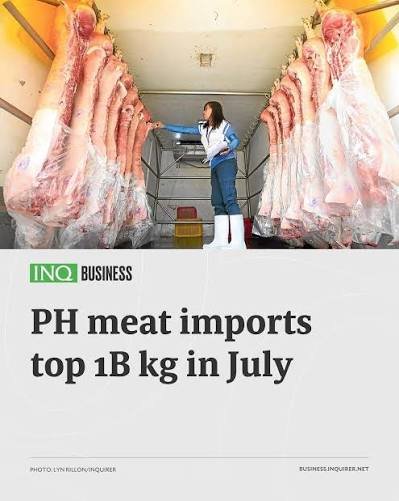
July data also showed continued import pressure. Pork accounted for approximately 86 million kg of meat imports in July, up about 6% year-on-year.

Indicator
2026 signal
Unsold carryover entering 2026
~840,000 tonnes
Pork imports, Jan–Jun
455,381 tonnes
YoY increase in H1 imports
11%
Potential 2026 surplus
Up to 1 million tonnes
July pork imports
~86 million kg

Pressure on Pig Producers

The oversupply is creating a difficult market for domestic hog producers. Large inventories and imported pork can weaken demand for locally produced animals and put farmgate prices and producer margins under pressure, potentially discouraging restocking and new investment.

The problem is particularly significant because the Philippine hog industry has been rebuilding following the severe impact of African swine fever (ASF). Earlier government projections anticipated a gradual reduction in pork import dependence as domestic production recovered, including expected import declines in 2027 and 2028.

AHI view

The Philippine pork market is now facing a policy-balancing problem rather than simply a supply shortage. Imports were increased to compensate for domestic production losses and ASF-related supply constraints, but continued high import volumes while domestic production recovers can rapidly convert a deficit into oversupply.

For producers, the immediate risks are lower farmgate prices, slower herd expansion and weaker investment incentives. For consumers, however, the impact may be less direct: ProPork has argued that previous excess imports did not necessarily translate into proportionately lower retail pork prices.

Bottom line

With 840,000 tonnes of reported carryover inventory and H1 imports already exceeding 455,000 tonnes, the Philippine pork industry faces a potentially severe inventory correction unless imports, domestic production and consumption are brought back into balance.

Animal Health India Editorial Team
Animal Health India Editorial Teamhttps://animalhealthindia.com
Animal Health India (AHI) is an independent news and intelligence platform covering the global animal health, veterinary, livestock, poultry, companion animal and pet food sectors. Our editorial team comprises veterinary journalists, animal health professionals, regulatory affairs specialists and industry analysts with over 30 years of combined experience covering India, Asia, Europe and North America. AHI publishes news, regulatory updates, market intelligence and company news drawn from primary sources including DAHD, EMA, USDA, AVMA and leading veterinary publications worldwide.

RELATED ARTICLES