


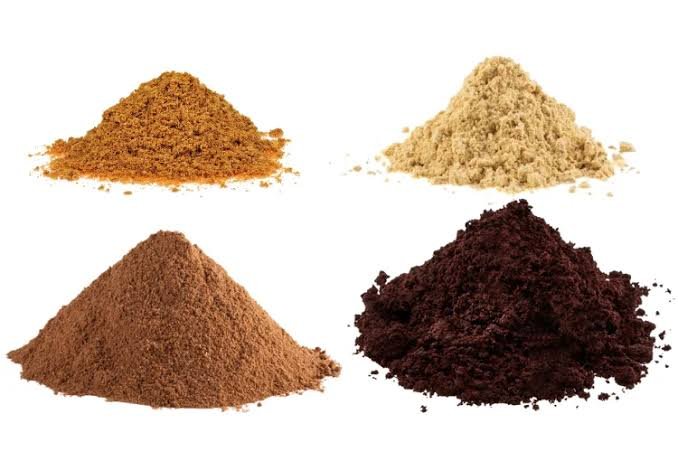
European feed manufacturers are assessing the nutritional and circular-economy potential of porcine processed animal proteins in poultry diets, while research and commercial experience continue to inform their use in compound feed.
Europe’s animal-feed industry is exploring how processed animal proteins (PAPs) can contribute to more diversified and resource-efficient feed formulations. Produced from eligible animal by-products, these ingredients recover valuable protein and amino acids from materials generated by the food-processing chain.
Porcine PAPs—processed proteins derived from pigs—are permitted in poultry feed under European Union rules introduced in 2021. Conversely, processed proteins derived from poultry may be used in pig feed under specified conditions. The rules maintain a species-to-species prohibition intended to prevent the recycling of animal protein back into the same species.
Although PAPs are not a new feed ingredient, their wider reintroduction into European livestock feed has created opportunities to evaluate their nutritional value, production performance, traceability and potential role in reducing dependence on conventional protein ingredients.
Feeding trials provide practical evidence
Industry-reported trials have examined porcine PAP inclusion in laying-hen diets. According to the European Fat Processors and Renderers Association (EFPRA), a Dutch feed company, AgruniekRijnvallei, investigated a diet containing 7.5% porcine PAP in laying hens between 27 and 64 weeks of age.
The laboratory component compared two groups of 500 brown laying hens, one receiving a conventional diet and the other a diet containing PAP. A separate commercial field assessment involved two groups of 30,000 hens.
EFPRA reported that, in the laboratory trial, the PAP-fed group had significantly fewer wounds associated with cannibalistic behaviour and improved feather quality. Mortality was reported to be approximately one-third lower than in the control group. Production performance was maintained alongside these reported welfare outcomes. <Cite refs={[“turn433395search1″,”turn433395search2”]}/>
These results are promising, but they should be interpreted in context. The information cited here comes from an industry association’s account of the trials, rather than a newly published independent study. The findings do not establish that all PAP formulations, inclusion rates or poultry production systems will deliver the same results.
What makes PAPs nutritionally relevant?
PAPs can provide concentrated protein and essential amino acids. Their value in feed formulation depends on the source material, processing conditions, protein content, amino-acid profile, digestibility and consistency between batches.
For feed manufacturers, the key question is not simply whether an ingredient contains a high percentage of protein. It is how much digestible amino acid it supplies per unit of cost and how reliably that nutrient contribution can be incorporated into a balanced diet.
Amino-acid digestibility data and appropriate formulation models can help nutritionists compare PAPs with soybean meal and other protein sources. Depending on the final formulation, PAPs may contribute to reducing the amount of certain conventional ingredients required. However, they are not a universal replacement for soybean meal or synthetic amino acids: substitution depends on the diet’s amino-acid balance, energy content, mineral composition, ingredient prices and animal requirements.
Claims that PAPs will necessarily reduce synthetic amino-acid imports or soy use across Europe require supporting formulation studies and market-level data. The evidence cited in this article does not quantify such reductions.
A circular-economy opportunity for the feed sector
PAPs are part of a broader effort to recover usable nutrients from animal by-products rather than treating them as waste. Rendering processes convert eligible materials into stable ingredients that can be used in authorised feed applications.
The potential benefits include improved utilisation of available protein resources and greater diversity in feed ingredient sourcing. EFPRA argues that PAPs can support circularity by returning nutrients from food production to animal nutrition.
Nevertheless, environmental performance must be assessed across the supply chain. The outcome depends on factors such as rendering energy, transport distances, the alternative use of the raw material and the ingredient being displaced. A lower environmental footprint should be demonstrated through suitable life-cycle assessment rather than assumed from the ingredient’s origin alone.
Availability is another constraint. PAP supply depends on the quantity of eligible raw material, processing capacity, segregated production infrastructure and compliance with traceability requirements. EFPRA identifies supply-chain capacity as a factor limiting wider adoption.
EU rules place traceability and cross-contamination control at the centre
The EU’s 2021 regulatory changes permitted porcine PAPs in poultry feed and poultry PAPs in pig feed under defined conditions. The framework includes requirements relating to sourcing, processing, transport, feed production and controls against cross-contamination.
These requirements are essential to maintaining the species-specific safeguards that underpin the system. Feed manufacturers must follow the applicable rules for authorised facilities, eligible materials and analytical controls. The precise requirements depend on the material and intended use.
For operators considering PAPs, regulatory compliance is therefore not an administrative afterthought. It is a core element of procurement, plant design, quality assurance and feed-safety management.
What feed manufacturers should evaluate next
Before incorporating PAPs at scale, feed millers and integrators should assess:
-
Nutritional consistency: Protein content, essential amino-acid profile, digestibility and batch-to-batch variability.
-
Formulation economics: Delivered ingredient cost relative to digestible amino acids and the other nutrients supplied.
-
Animal performance: Growth, feed conversion, egg production and relevant health or welfare indicators in the target production system.
-
Feed safety: Supplier approval, traceability, processing controls and prevention of cross-contamination.
-
Supply reliability: Availability of eligible material, segregated processing capacity and continuity of supply.
-
Environmental impact: Life-cycle evidence comparing PAP inclusion with the ingredients it replaces.

