

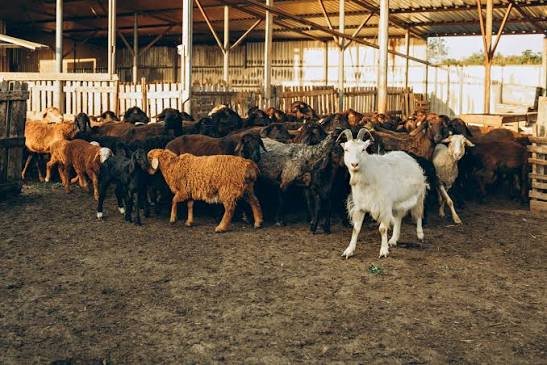
HomeLivestockRomania accepts 1.1 million EU-Donated Vaccine Doses for Sheep and Goats

Romania accepts 1.1 million EU-Donated Vaccine Doses for Sheep and Goats

Bucharest, 23 October 2026 — Romania’s government has approved the acceptance of 1.1 million vaccine doses donated by the European Commission to support national vaccination against peste des petits ruminants (PPR) and sheep and goat pox. The vaccines will be placed under the administration of the National Sanitary Veterinary and Food Safety Authority (ANSVSA).

The donation is valued at RON 1,312,135 and comprises:

  • 300,000 doses of Pestevac, for protection against PPR

  • 800,000 doses of Jovivac, for protection against sheep and goat pox
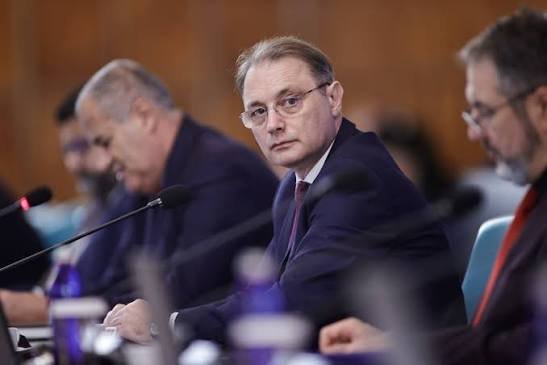
The government’s decision provides the administrative basis for Romania to accept the vaccine stock and place it under the responsible veterinary authority. The government said the European Commission activated strategic vaccine reserves following a request from Romanian authorities.

Vaccination to begin after delivery

The government statement says vaccination will begin once all the vaccines have arrived in Romania. The approval therefore confirms acceptance of the donation, not that administration has already begun.

Vaccination is intended to support disease control and eradication, stabilise the epidemiological situation and help create conditions for the progressive removal of restrictions. The announcement does not confirm a timetable for completion of the campaign or an immediate change to livestock-trade rules.

Trade restrictions remain a key concern

The government said restrictions on the movement of live sheep and goats to other EU member states and third countries remain in force until 31 December 2026, under the applicable European Commission decisions. The restrictions have affected trade and caused economic losses for sheep and goat producers.

The vaccine deployment is consequently significant for both animal-health management and the commercial outlook for Romanian small-ruminant producers. However, the acceptance of vaccine doses should not be interpreted as evidence that the conditions for reopening export routes have already been met.

Industry implications

The decision illustrates the role of EU-level emergency vaccine reserves in supporting national responses to transboundary livestock diseases. For veterinary suppliers and livestock-sector stakeholders, the immediate milestones to monitor are arrival of the stock, publication of the vaccination plan’s operational details, commencement of administration and subsequent epidemiological assessments.

The government statement does not identify the manufacturers of the donated vaccines or announce a new commercial procurement contract.

Animal Health India Editorial Team
Animal Health India Editorial Teamhttps://animalhealthindia.com
Animal Health India (AHI) is an independent news and intelligence platform covering the global animal health, veterinary, livestock, poultry, companion animal and pet food sectors. Our editorial team comprises veterinary journalists, animal health professionals, regulatory affairs specialists and industry analysts with over 30 years of combined experience covering India, Asia, Europe and North America. AHI publishes news, regulatory updates, market intelligence and company news drawn from primary sources including DAHD, EMA, USDA, AVMA and leading veterinary publications worldwide.
RELATED ARTICLES