


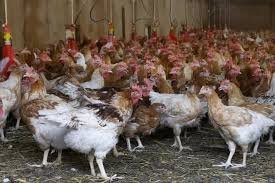
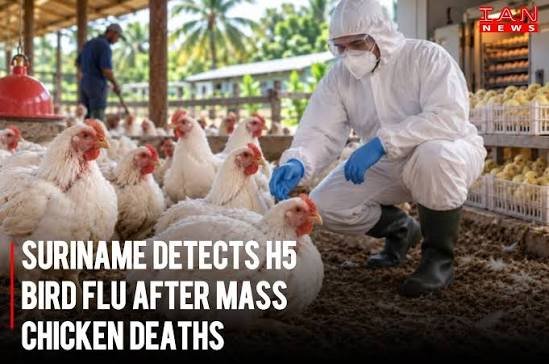
Suriname confirmed an H5 avian-influenza outbreak at a broiler farm in September 2026, prompting emergency disease-control measures in a country that had previously sought to keep avian influenza out of its poultry sector.
According to the Suriname government’s reporting, approximately 5,000 of the farm’s 6,000 chickens died, and the remaining birds were culled. The authorities initiated disinfection, contact-premises investigations and restrictions intended to prevent further transmission. The affected farm and identified contact locations were to remain closed for 28 days following removal or neutralisation of contaminated material. (Government of Suriname)
Outbreak Response and Surveillance
The investigation followed unusually high mortality among broilers. Samples collected from sick birds tested positive for influenza A, subtype H5. The initial laboratory finding established the presence of H5 influenza; it should not automatically be interpreted as confirmation of a specific highly pathogenic strain without the corresponding classification results. Authorities implemented several measures:
-
Culling of remaining birds at the affected premises.
-
Cleaning and disinfection of the farm and relevant contact locations.
-
Investigation of possible contacts and nearby poultry holdings.
-
Local surveillance to identify additional unusual mortality.
-
Calls for poultry farmers to report sudden increases in bird deaths.
These measures reflect the importance of rapid detection and containment when avian influenza enters a previously unaffected production system. (Ministry of Agriculture, Livestock and Fisheries reporting)
Why It Matters for the Poultry Industry
The reported mortality represents a substantial loss at a single farm. Beyond direct bird losses, outbreaks can disrupt production schedules, create costs for depopulation and disinfection, and complicate the movement and marketing of poultry products.
The event also illustrates the vulnerability of smaller national poultry industries that rely on a combination of domestic production and imported chicken. The Suriname authorities have highlighted the need to protect local production while containing disease risks.
For poultry producers, practical priorities include limiting unnecessary farm access, controlling vehicle and equipment movements, preventing contact with wild birds, maintaining effective cleaning and disinfection, and reporting unusual mortality promptly.
Strategic / Analyst View
The outbreak reinforces the value of an integrated poultry-biosecurity model combining early warning, laboratory confirmation, farm-level surveillance and rapid response.
Potential opportunities for animal-health companies include rapid diagnostic systems, sampling and laboratory services, disinfection technologies, biosecurity audits and producer training. The commercial value of these interventions depends on their demonstrated effectiveness, regulatory acceptance and adoption at farm level.
Outlook
The immediate priority is to establish the extent of infection, complete containment measures and monitor for additional cases. Further conclusions about strain characteristics, geographic spread or export consequences require official surveillance updates.
Sources: Government of Suriname; Suriname Ministry of Agriculture, Livestock and Fisheries; regional outbreak reporting.

