


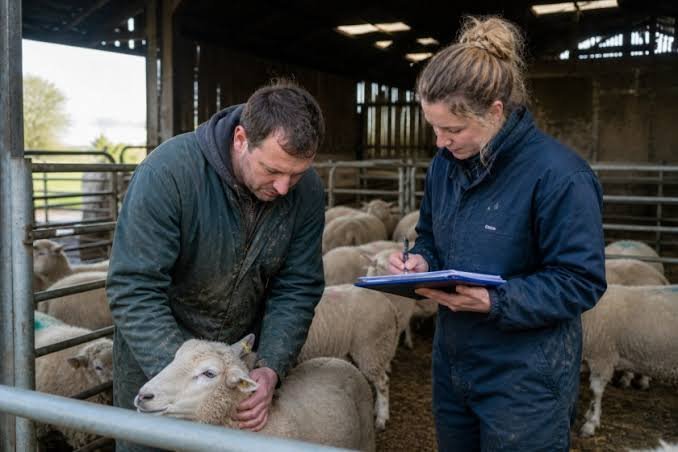
United Kingdom is facing its most severe bluetongue season on record, with more than 2,000 affected premises reported in England by early October 2026. The expanding outbreak is intensifying pressure on livestock producers, veterinary services and animal-health authorities as the disease continues to spread geographically during the current transmission season.
Government surveillance figures cited in reporting published on October 3 indicated that 2,098 premises in England had been affected, with additional detections reported in Wales and Scotland. More than 2,200 cases had reportedly been recorded since July, although premises counts and individual animal case counts are not directly interchangeable. The outbreak has been dominated by bluetongue virus serotype 3 (BTV-3), a vector-borne disease transmitted by Culicoides biting midges.
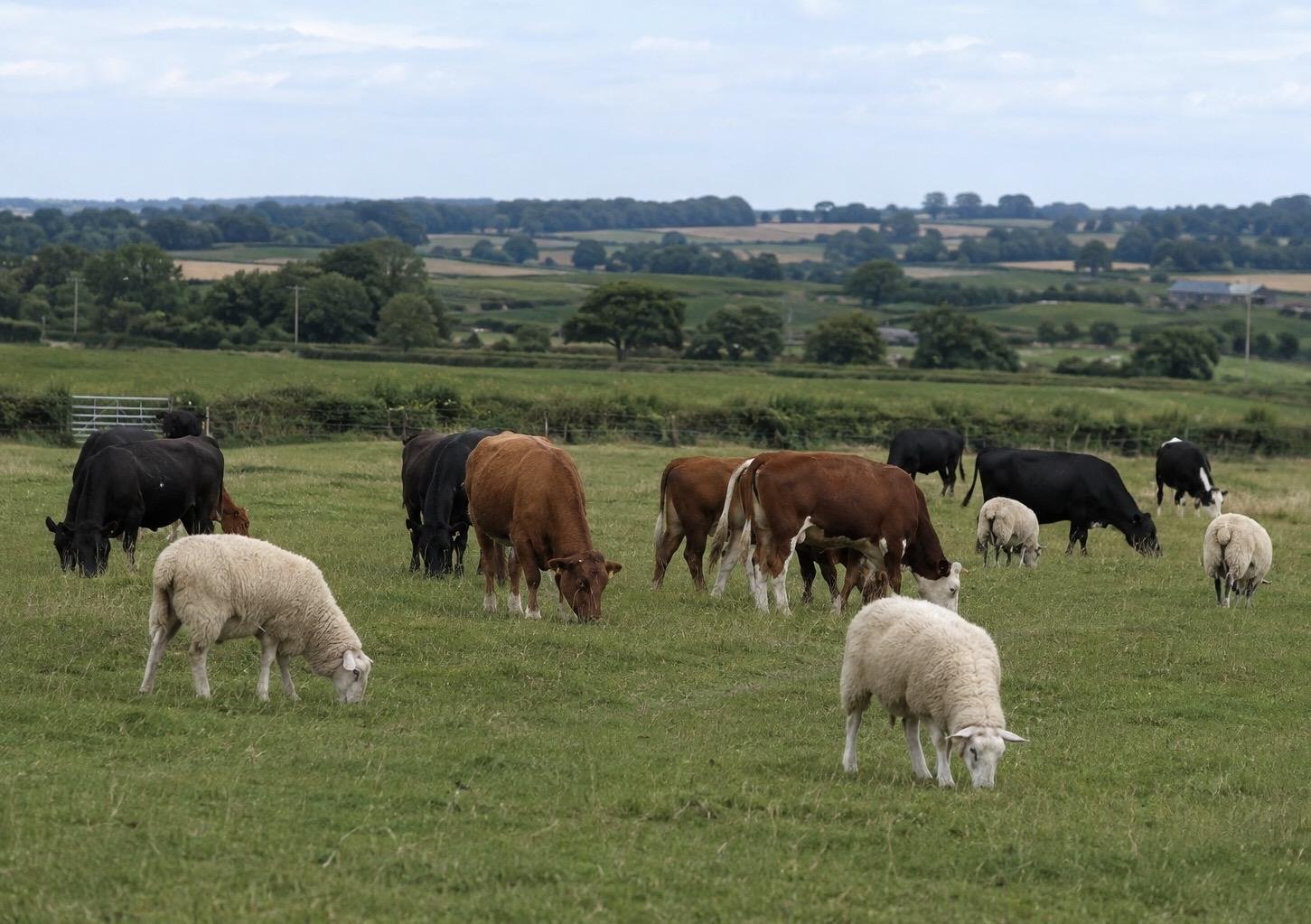
Bluetongue primarily affects sheep and cattle, although clinical severity varies by species, breed, immune status and virus strain. In sheep, infection can cause fever, swelling of the face and lips, oral lesions, lameness and, in severe cases, mortality. Cattle may show less obvious clinical signs but can contribute to viral circulation and face production and reproductive consequences.

