


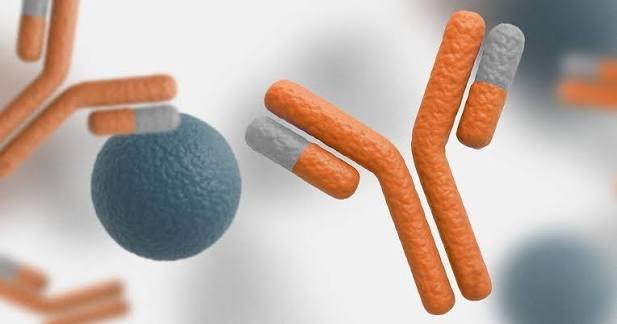
What ar Monoclonal Antibodies – monoclonal antibodies are laboratory-made proteins designed to mimic the natural immune system by targeting and neutralizing specific disease agents, pain signals, or inflammation in animals.
How They Work
-
Targeted Action: Unlike traditional chemical drugs that can affect the whole body, monoclonal antibodies lock onto one specific target (like a single pain protein or virus particle)
-
Species-Specific Design: They are engineered specifically for animals—such as caninized for dogs or felinized for cats—so the pet’s immune system does not reject them as foreign
-
Long-Lasting Relief: Because the body processes them slowly, they are usually given as a simple injection once or twice a month
Common Uses in Pets
-
Pain Management: Used to treat osteoarthritis pain in dogs (using bedinvetmab) and cats (using frunevetmab).
-
Allergies: Used to block itch signals in dogs suffering from atopic dermatitis (using lokivetmab).
-
Oncology: Used as an adjunct treatment in canine onco-conditions e.g. Gilvetmab for Mast Cell Tumors and Canine Melanoma
Since the first commercial launch of Vet Monoclonal Antibody in Animal Health in 2017, industry now has at least 5 commercialized Veterinary Monoclonal antibodies. This review assesses the Satisfaction of Vets as well as Pet Owners with this new class of therapeutics and what future holds for mAbs.
Satisfaction Overview
Veterinary monoclonal antibodies target specific cytokines and neurotrophic factors with high precision. Because mAbs are degraded via natural protein catabolism pathways rather than hepatic or renal clearance, they provide clinical utility for elderly or complex medical patients.
Across clinical field trials and post-marketing observational cohorts, overall satisfaction rates among veterinarians and pet owners range between 75% and 85%. However, satisfaction drivers differ between clinicians and owners:
-
Veterinarians: Prioritize organ-sparing safety profiles, high compliance via monthly/bi-monthly clinical administration, and reduction of polypharmacy burdens.
-
Pet Owners: Prioritize rapid symptom abatement (onset of itch/pain relief within 24–48 hours to 14 days), improved activity/sociability, and freedom from daily oral pill administration.
Granular Analysis by Each Commercialized Molecule
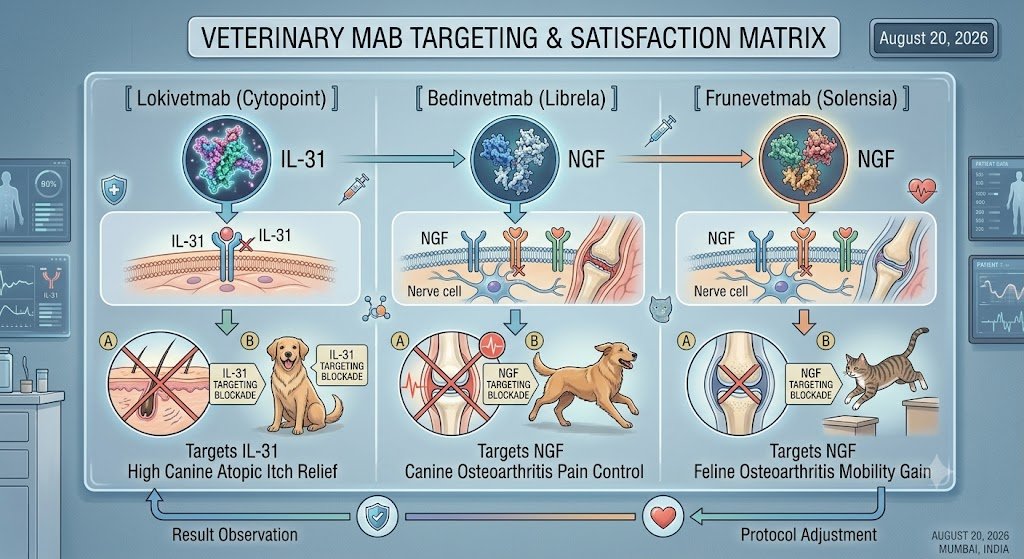
A. Lokivetmab (Cytopoint — Zoetis)
-
Target & Indication: Neutralizes Interleukin-31 (IL-31); Indicated for canine atopic dermatitis and allergic skin disease.
Veterinarian Satisfaction (High: ~85%–90%)
Clinicians report high satisfaction with Lokivetmab due to its immediate onset of action (<24 hours) and safety in young or medically complex dogs. Because it does not interfere with intradermal allergy testing or vaccination protocols, dermatologists utilize it as both a primary therapeutic and a diagnostic trial tool.
Pet Owner Satisfaction (High: ~80%–88%)
Owners report high satisfaction regarding the rapid cessation of nocturnal scratching and licking. Satisfaction slightly decreases in a small subset of dogs (10 15%) where the duration of relief declines from the expected 4–8 weeks down to 2–3 weeks, requiring more frequent clinic visits or multimodal therapy with oclacitinib or cyclosporine.
B. Bedinvetmab (Librela — Zoetis)
-
Target & Indication: Neutralizes Nerve Growth Factor (NGF); Indicated for canine osteoarthritis (OA) pain management.
Veterinarian Satisfaction (Moderate to High: ~80% / 8.0 out of 10)
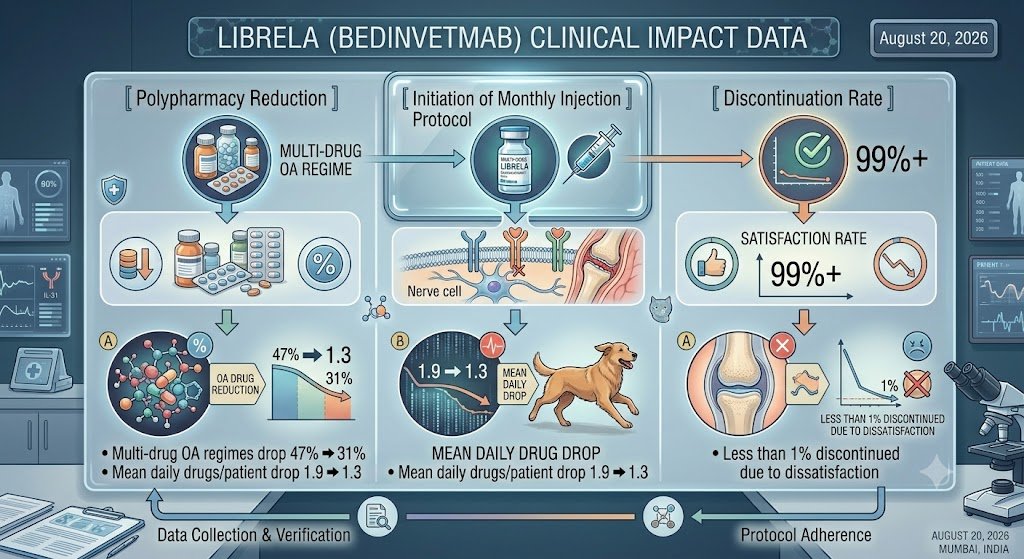
In large multi-country European clinical surveys (n = 1,932 patient records across 375 clinics), veterinarian satisfaction averaged 8.0/10, with <1% of clinicians discontinuing use due to dissatisfaction. Bedinvetmab significantly reduced polypharmacy: the proportion of arthritic dogs requiring multiple pharmacological analgesics dropped from 47% to 31% post-initiation.
Pet Owner Satisfaction & Post-Marketing Nuance
While pivotal trials showed significant improvements in physical activity and quality of life (>70% success rates), post-marketing vigilance has introduced nuanced sentiment.
-
Positive Drivers: Dramatic regain of mobility in senior dogs, ease of monthly subcutaneous dosing, and lack of gastrointestinal side effects common to NSAIDs.
-
Concerns & Negative Signals: FDA safety communications regarding post-marketing neurological adverse event signals (ataxia, spinal pain, paresis, or weakness) have led to increased owner caution, particularly in dogs with pre-existing neurological co-morbidities.
C. Frunevetmab (Solensia — Zoetis)
-
Target & Indication: Neutralizes Nerve Growth Factor (NGF); Indicated for feline osteoarthritis (OA) pain management.
Veterinarian Satisfaction (Very High: ~85%–92%)
Feline OA historically presented a significant therapeutic challenge due to strict feline NSAID toxicity limits. Veterinarians report high satisfaction with Frunevetmab as a first-in-class feline analgesic that spares renal and hepatic function, facilitating long-term chronic pain management in aging cats.
Pet Owner Satisfaction (High: ~76%–84%)
In European multi-center field studies, 76% of cat owners reported sustained improvements in mobility, sociability, and overall Quality of Life (QoL) within 14 to 30 days of initiation.
-
Key Satisfaction Drivers: Restoration of jumping behavior, grooming ability, and reduced pilling stress (avoiding oral administration).
-
Adverse Event Signals: A minority of owners report local injection site reactions or transient focal dermatitis/scabbing around the head and neck.
Comparative Clinical Satisfaction Metrics
Monoclonal Antibody |
Primary Indication |
Target Mediator |
Vet Satisfaction Score |
Owner Satisfaction Score |
Main Satisfaction Drivers |
Key Disadvantages / Adverse Signals |
Lokivetmab (Cytopoint) |
Canine Atopic Dermatitis |
IL-31 |
8.5 / 10 |
8.2 / 10 |
Fast itch relief (< 24 hr); safe in young/complex dogs. |
Variable duration of effect (<4 wks in subset). |
Bedinvetmab (Librela) |
Canine Osteoarthritis |
NGF |
8.0 / 10 |
7.5 / 10 |
Major mobility gains; reduced NSAID polypharmacy. |
Neurological safety alerts; cost of monthly clinic visits. |
Frunevetmab (Solensia) |
Feline Osteoarthritis |
NGF |
8.8 / 10 |
8.0 / 10 |
Fills major feline pain gap; no oral pilling required. |
Mild skin reactions/pruritus at head/neck in small %. |
Key Clinical Takeaways for Veterinary Practice
-
Pre-Screening Importance: For anti-NGF therapies (Librela / Solensia), thorough orthopedic and neurological screening is recommended to differentiate pure arthritic joint pain from underlying spinal or neurological deficits prior to administration.
-
Owner Expectation Management: Educating owners that mAbs control symptoms (pain/itch) rather than curing underlying joint degradation or allergic disease improves long-term compliance and satisfaction.
-
Multimodal Compatibility: mAbs can be combined with physical therapy, joint supplements, or acute breakthrough analgesia, allowing for tailored long-term care plans.

