


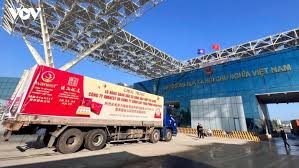
Vietnam’s Ministry of Agriculture and Rural Development has officially issued a comprehensive compliance advisory for domestic livestock and poultry exporters. The move comes in direct response to China tightening its food safety, biosecurity, and traceability requirements on imported animal feed, livestock, and meat products.
As China ramps up border inspections, Vietnamese authorities are urging processing facilities to immediately upgrade their health protocols to protect the country’s growing trade with its largest regional market.
What New Guidelines Require
The updated directive targets processing plants, slaughterhouses, and cold-storage logistics providers across Vietnam. To maintain valid export permits to China, local businesses must meet several strict requirements:
-
Upgraded Processing Plant Biosecurity: Facilities must enforce daily deep-cleaning routines, strict physical separation between raw and processed meat areas, and health screenings for all workers.
-
Complete Digital Traceability: Exporters must maintain clear digital logs detailing every stage of production—from the original farm where the animal was raised to the feed used, slaughter dates, and final packaging details.
-
Rigorously Tested Animal Feed: Raw ingredients and animal feeds must undergo strict safety testing to ensure they are completely free from banned chemical additives, heavy metals, or antibiotic residues.
-
Strict Cold-Chain Management: Cold storage facilities must maintain strict, continuous temperature controls during packing, shipping, and border transit to prevent bacterial contamination.

