


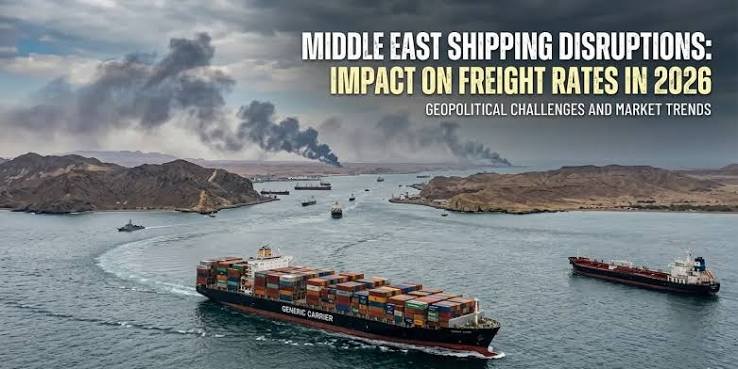
Shipping bottlenecks in the Strait of Hormuz threaten imports of feed additives, amino acids and vitamins as India’s livestock sector braces for higher production costs, even after 6 months of start of hostilities
India’s animal feed industry is confronting a new wave of uncertainty as continuing geopolitical tensions in the Middle East and shipping disruptions through the Strait of Hormuz begin to affect imports of critical feed ingredients used by the country’s poultry, dairy and livestock sectors.
Industry stakeholders report that rising freight costs, longer shipping times and uncertainty over cargo movement are increasing prices of imported synthetic amino acids, feed enzymes, vitamins, trace minerals and specialty feed additives, creating additional pressure on an industry already dealing with volatile grain prices and tight operating margins.
Although domestic production of maize, soybean meal and oilseed cakes forms the backbone of Indian feed manufacturing, the sector remains heavily dependent on imported micronutrients and specialty ingredients that are essential for modern precision animal nutrition.
With India’s commercial feed industry producing an estimated 40 million metric tonnes of poultry feed and approximately 18 million metric tonnes of cattle feed annually, sustained disruptions could have significant implications for livestock productivity, feed affordability and food inflation.
Why the Strait of Hormuz Matters
The Strait of Hormuz is one of the world’s most strategically important maritime trade routes. Located between Iran and Oman, the narrow waterway connects the Persian Gulf with the Arabian Sea and serves as a critical shipping corridor for energy products and industrial cargo.
Every year, thousands of vessels carrying chemicals, petrochemical products, industrial raw materials and agricultural inputs transit this route before reaching ports across Asia.
Although feed ingredients themselves are not exclusively sourced from the Gulf region, many shipments originating from Europe and parts of West Asia pass through shipping networks affected by disruptions in this corridor. Even temporary increases in freight insurance, vessel rerouting or port congestion can significantly increase logistics costs.
India’s Feed Industry Depends on Global Supply Chains
India is largely self-sufficient in producing bulk feed ingredients such as:
-
Maize
-
Broken rice
-
Sorghum
-
Bajra
-
Soybean meal
-
Groundnut cake
-
Mustard cake
-
Rice bran
-
Cottonseed meal
However, commercial feed formulations increasingly rely on imported specialty nutritional ingredients. These include: Synthetic Amino Acids
-
DL-Methionine
-
L-Lysine
-
L-Threonine
-
L-Tryptophan
-
Valine
These amino acids improve feed efficiency while reducing overall crude protein requirements.
Vitamins – Commercial premixes routinely include:
-
Vitamin A
-
Vitamin D3
-
Vitamin E
-
Vitamin K
-
B-complex vitamins
Much of the global production of feed-grade vitamins is concentrated in China and Europe.
Trace Minerals – Imported mineral premixes often contain:
-
Zinc
-
Copper
-
Selenium
-
Manganese
-
Chromium
-
Organic mineral chelates
These ingredients are essential for immune function, reproduction and growth.
Feed Enzymes – Modern poultry diets commonly include:
-
Phytase
-
Xylanase
-
Protease
-
β-glucanase
These enzymes improve nutrient digestibility and reduce feed costs.
Feed Additives – Other imported specialty products include:
-
Organic acids
-
Probiotics
-
Prebiotics
-
Mycotoxin binders
-
Yeast cultures
-
Antioxidants
-
Pigments
Many of these products originate from multinational animal nutrition companies with manufacturing facilities outside India.
Poultry Feed Remains India’s Largest Feed Segment
According to industry estimates, India’s compound feed industry currently manufactures approximately:
| Sector | Estimated Annual Feed Production |
|---|---|
| Poultry Feed | ≈40 million metric tonnes |
| Cattle Feed | ≈18 million metric tonnes |
| Aquaculture Feed | ≈5–6 million metric tonnes |
| Swine & Others | <2 million metric tonnes |
The poultry sector accounts for more than half of all commercial feed manufactured in the country, making it particularly sensitive to fluctuations in additive prices.
Why Feed Additives Matter
Although vitamins, enzymes and amino acids constitute only a small proportion of finished feed by weight, they have a disproportionate impact on animal performance. Proper supplementation influences:
-
Feed conversion ratio (FCR)
-
Growth rate
-
Egg production
-
Milk yield
-
Fertility
-
Immune competence
-
Disease resistance
-
Feed efficiency
Consequently, even modest increases in additive costs can significantly affect feed formulation economics.
Freight Costs Are Rising
Industry participants report several emerging challenges:
-
Higher marine insurance premiums
-
Increased freight charges
-
Longer transit times
-
Shipping schedule uncertainty
-
Higher inventory carrying costs
Feed manufacturers may also need to increase safety stocks to avoid production interruptions, tying up additional working capital.
Small Feed Mills Face Greater Pressure
Large multinational feed companies often maintain diversified supplier networks and larger inventories. Smaller regional feed manufacturers, however, may face greater difficulties because they:
-
Purchase smaller volumes
-
Have less negotiating power
-
Maintain lower inventories
-
Depend on distributors for imported ingredients
These businesses could experience sharper increases in production costs if supply disruptions persist.
Impact on Poultry Producers
Feed accounts for approximately 65–70% of poultry production costs. Higher feed prices may affect:
-
Broiler production costs
-
Layer profitability
-
Egg prices
-
Chicken prices
-
Farm profitability
Integrators with long-term supply contracts may initially absorb some of the increased costs, but prolonged disruptions could eventually influence market prices.
Dairy Sector Also Vulnerable
India remains the world’s largest milk producer, generating more than 250 million tonnes of milk annually. Commercial dairy farms increasingly rely on balanced compound feeds containing:
-
Bypass protein
-
Mineral mixtures
-
Vitamins
-
Buffers
-
Yeast cultures
Higher prices for imported nutritional ingredients could increase the cost of milk production, particularly for intensive dairy operations.
Industry Calls for Policy Support
Feed manufacturers are encouraging policymakers to consider measures that strengthen supply resilience. Suggestions discussed within the industry include:
-
Diversifying import sources
-
Building strategic inventories of essential feed additives
-
Faster customs clearance
-
Encouraging domestic production of specialty feed ingredients
-
Supporting indigenous manufacturing of amino acids and vitamins
-
Improving logistics infrastructure
Such measures could help reduce dependence on a limited number of international suppliers.
India Is Expanding Domestic Capabilities
Several Indian companies have increased investment in:
-
Enzyme manufacturing
-
Probiotics
-
Organic acids
-
Mineral premixes
-
Phytogenic feed additives
-
Fermentation technologies
However, large-scale domestic production of several synthetic amino acids and feed-grade vitamins remains limited compared with global demand. Expanding domestic manufacturing could improve long-term supply security.
Global Geopolitics Increasingly Influences Animal Nutrition
The current situation highlights how modern livestock production depends on interconnected global supply chains. Events occurring thousands of kilometres away can influence:
-
Feed ingredient availability
-
Livestock production costs
-
Farm profitability
-
Food prices
-
National food security
As precision nutrition becomes increasingly important, ensuring reliable access to specialty feed ingredients will become an even greater priority.
Outlook
Most feed manufacturers currently have sufficient inventories to maintain production in the short term. However, if shipping disruptions through the Middle East persist or intensify, procurement costs for imported feed additives may continue to rise. For India’s poultry and dairy sectors, maintaining uninterrupted access to essential nutritional ingredients will be critical to sustaining productivity, animal health and affordable livestock products.
The situation also reinforces the strategic importance of developing domestic manufacturing capacity for feed-grade amino acids, vitamins, enzymes and specialty additives, thereby strengthening India’s resilience against future global supply-chain disruptions.
Key Takeaways
-
Geopolitical tensions affecting the Strait of Hormuz are increasing freight costs and disrupting supply chains for imported feed additives
-
India’s commercial feed industry produces approximately 40 million tonnes of poultry feed and 18 million tonnes of cattle feed annually
-
Imported amino acids, vitamins, enzymes, trace minerals and specialty additives are essential for modern feed formulation
-
Higher logistics costs could increase feed production expenses, particularly for smaller feed mills and livestock producers
-
Industry experts are calling for diversification of supply sources, strategic inventories and greater domestic manufacturing of specialty feed ingredients to improve long-term resilience

