


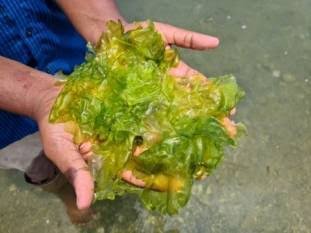
A groundbreaking agricultural innovation is emerging from Galicia, northwestern Spain, where the Alganut project is developing seaweed-based animal feed enriched with selenium to simultaneously reduce greenhouse gas emissions and cut antibiotic use in dairy cows, laying hens, and broilers. The €600,000 initiative (80% funded by the European Union’s FEADER program) represents a significant step toward sustainable livestock production in Europe, addressing two of the industry’s most pressing challenges: climate change and antimicrobial resistance (AMR).
Promoted by Feuga (Fundación para el Fomento de la Investigación Aplicada y la Transferencia Tecnológica) in partnership with Galician companies and research centers, Alganut aims to transform locally harvested seaweed into a high-value, functional feed ingredient that improves animal health, reduces environmental impact, and creates premium, selenium-enriched animal products for consumers.
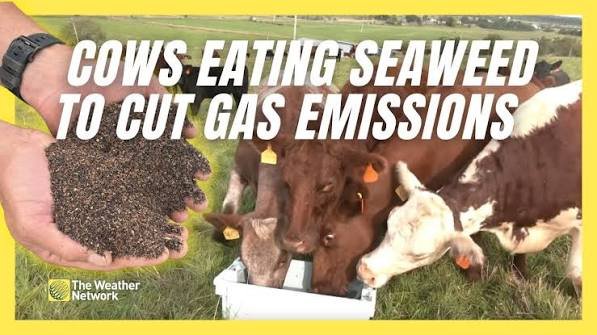
Project Overview: From Seaweed to Sustainable Feed: Core Objectives
Source: Feuga Alganut Project Briefing, September 15, 2026
Feed Formulation: Seaweed + Selenium Synergy
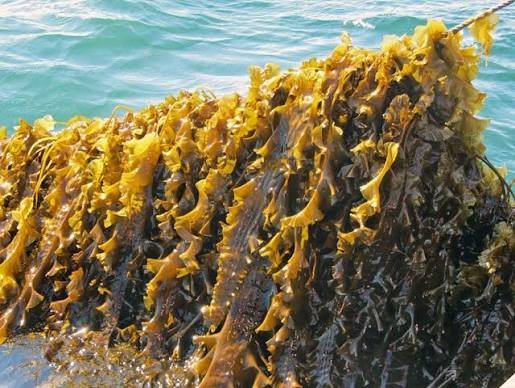
Base Ingredient: Brown seaweed (Ascophyllum nodosum, Laminaria digitata) harvested from Galician coast (Rías Baixas, Rías Altas)
Active Components:
-
Phlorotannins: Polyphenolic compounds that inhibit methanogenic archaea in ruminant gut (reduces methane by 20–30%)
-
Fucoidan: Sulfated polysaccharide with immunomodulatory, antiviral, antibacterial properties (reduces need for antibiotics)
-
Alginate: Prebiotic fiber that improves gut health, nutrient absorption
-
Iodine: Natural trace mineral (thyroid function, metabolism)
-
Selenium (added): Essential trace element (antioxidant, immune function, fertility); enriched to 0.3–0.5 ppm in final feed
Delivery Format:
-
Dairy cows: 100–150g seaweed meal/day (mixed into TMR ration)
-
Laying hens: 2–3% seaweed inclusion in layer feed (replaces soy/corn)
-
Broilers: 1–2% seaweed inclusion in starter/grower feed
Key Innovation: Selenium biofortification via seaweed’s natural bioaccumulation capacity + targeted supplementation during processing. Final products (milk, eggs, meat) contain 2–3× higher selenium vs. conventional feed, meeting EU health claim thresholds for “selenium-rich” labeling.lavozdegalicia
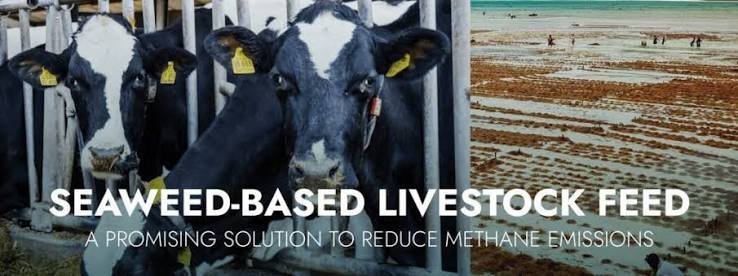
Environmental & Economic Impact – Emissions Reduction: Methane & Carbon Footprint
Source: Feuga preliminary LCA (Life Cycle Assessment), August 2026
Mechanism: Seaweed phlorotannins inhibit methanogenic archaea in rumen, reducing hydrogen conversion to methane. Simultaneously, improved feed efficiency (better nutrient absorption) lowers overall carbon footprint per unit of output (milk, eggs, meat).
Antibiotic Reduction: Gut Health & Immunity
Source: Feuga field trials (n=12 farms, Galicia), June–August 2026
Mechanism: Seaweed fucoidan + alginate act as prebiotics + immunostimulants:
-
Fucoidan: Activates macrophages, NK cells; reduces bacterial load (E. coli, Salmonella, Clostridium)
-
Alginate: Promotes beneficial gut microbiota (Lactobacillus, Bifidobacterium); improves gut barrier function
-
Selenium: Enhances antioxidant capacity (glutathione peroxidase); reduces oxidative stress, inflammation
Economic Benefit: Antibiotic cost savings of €15–25/cow/year (dairy), €0.08–0.12/bird (poultry).
Selenium-Enriched Products: Premium Market Positioning
Consumer Premium: Selenium-enriched products can command 15–25% price premium in EU organic/premium segments (e.g., “Antioxidant-Rich Milk,” “Immune-Support Eggs”).
Health Benefits (EFSA-Approved Claims):
-
“Selenium contributes to the protection of cells from oxidative stress”
-
“Selenium contributes to normal immune system function”
-
“Selenium contributes to normal thyroid function”
Funding & Budget Breakdown
FEADER Allocation:
-
R&D (seaweed processing, selenium enrichment): €250,000
-
Field Trials (12 farms, 24 months): €180,000
-
Commercialization (feed production line, marketing): €120,000
-
Project Management, Dissemination: €50,000
Timeline: September 2026 – August 2028 (24 months)
Consortium Partners
Commercialization Roadmap – Phase 1: R&D + Pilot Production (2026–2027)
-
Q4 2026: Seaweed harvesting protocol finalized (sustainable wild harvest + aquaculture)
-
Q1 2027: Selenium enrichment process optimized (bioaccumulation + targeted supplementation)
-
Q2 2027: Feed formulation trials (dairy, poultry) at 12 partner farms
-
Q3 2027: Methane emissions, antibiotic use, selenium content data collected
-
Q4 2027: 500-ton/year pilot feed production line operational (A Coruña)
Phase 2: Market Launch (2028)
-
Q1 2028: Commercial feed launch (dairy, layer, broiler formulations)
-
Q2 2028: Selenium-enriched milk, eggs, meat products in Gadisa supermarkets
-
Q3 2028: EU-wide distribution (Spain, Portugal, France, Italy)
-
Q4 2028: 5,000 tons/year production capacity; €2.5M+ annual revenue
Phase 3: Scale-Up (2029+)
-
2029: 20,000 tons/year capacity; expand to beef, sheep, aquaculture
-
2030: EU market share target: 5–7% of premium seaweed feed segment
-
2031: Global expansion (UK, Norway, Chile, New Zealand)
Policy Alignment: EU Green Deal & Farm to Fork
The Alganut project directly supports multiple EU policy priorities:
Funding Rationale: FEADER prioritizes projects that align with rural development, environmental sustainability, and economic diversification in coastal communities (Galicia has 1,500+ km coastline, 300+ seaweed harvesting jobs).
Challenges & Risk Mitigation
Strategic Implications for the Animal Health Industry
For Feed Manufacturers –
-
Opportunity: Partner with Alganut consortium for licensing seaweed processing technology; integrate into existing feed lines
-
Threat: Disruption of conventional soy/corn-based feed markets (seaweed replaces 2–3% of ration)
-
Action: Invest in seaweed R&D; explore partnerships with Galician seaweed harvesters
For Livestock Producers –
-
Opportunity: Access premium markets (selenium-enriched milk, eggs, meat); reduce antibiotic costs
-
Threat: Higher feed costs (€50–80/ton premium vs. conventional feed)
-
Action: Participate in field trials; calculate ROI (antibiotic savings + price premium)
For Pharmaceutical Companies –
-
Threat: 40–50% reduction in antibiotic use (prophylactic) in dairy/poultry
-
Opportunity: Develop seaweed-derived nutraceuticals (fucoidan, alginate extracts) for animal health
-
Action: Acquire or partner with seaweed biotech startups; pivot to preventive health products
For Sustainability Investors –
-
Opportunity: Alganut aligns with ESG criteria (climate, AMR, rural development); scalable model for EU/global markets
-
Threat: Policy changes (FEADER funding cuts post-2027)
-
Action: Invest in seaweed aquaculture, feed processing infrastructure; monitor EU agricultural policy
Key Milestones to Watch
Conclusion: A Model for Sustainable Livestock Innovation
The Alganut project exemplifies how regional resources (Galician seaweed), EU funding (FEADER), and multi-stakeholder collaboration can address global challenges (climate change, antimicrobial resistance) while creating economic value (premium products, rural jobs). If successful, this model could be replicated across coastal regions of Europe (Ireland, Scotland, Brittany, Norway) and beyond (Chile, New Zealand, Tasmania).
Key Success Factors:
-
Scientific validation: Peer-reviewed data on methane reduction, antibiotic sparing, selenium biofortification
-
Economic viability: Feed cost premium offset by antibiotic savings + product price premium
-
Consumer acceptance: Clear messaging on safety, sustainability, health benefits
-
Policy support: Continued FEADER funding, EFSA novel feed approval, EU Green Deal alignment

