


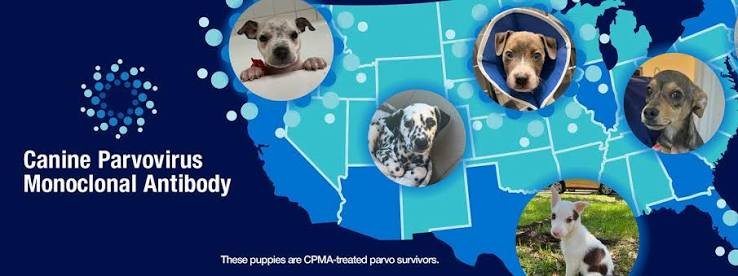
Elanco’s canine parvovirus monoclonal antibody moved from conditional licensing to full USDA approval, establishing one of the industry’s clearest examples of targeted biologic therapy in companion-animal medicine.
Elanco’s canine parvovirus monoclonal antibody, now marketed as Trutect, received full approval from the US Department of Agriculture in December 2025.
The product was originally granted conditional USDA approval in 2023 and subsequently received expanded authorization for passive immunity in exposed puppies in June 2025.
A different approach to canine parvovirus
Canine parvovirus is a highly contagious viral disease that disproportionately affects puppies, particularly young or inadequately vaccinated animals.
Historically, treatment has relied heavily on supportive care, including fluid therapy, nutritional management and management of secondary complications.
Trutect represents a different therapeutic concept: a targeted monoclonal antibody designed to act directly against canine parvovirus. That places the product within a broader shift occurring in veterinary medicine toward precision biologics.
Evidence reported by Elanco
Elanco has reported that 93% of puppies receiving the canine parvovirus monoclonal antibody survived in its data set and that treated patients spent an average of 1.87 fewer days in hospital.
These figures are company-reported outcomes and should therefore be interpreted separately from independently replicated clinical evidence.
A peer-reviewed experimental-challenge study has also examined early administration of the monoclonal antibody and provides important evidence supporting its development.
Conditional approval to full approval
The regulatory pathway is particularly important. The USDA’s conditional-approval mechanism allows certain veterinary biologics addressing significant unmet needs to reach the market while additional data are generated.
Trutect’s progression from conditional approval to full approval illustrates how this pathway can accelerate access to novel veterinary biologics while a broader evidence package is developed.
For animal-health investors, this creates an important model for evaluating future veterinary biologics.
Manufacturing becomes strategically important
Elanco has also invested heavily in its monoclonal-antibody manufacturing platform. The company’s Elwood, Kansas facility underwent a $120 million expansion, increasing biologics manufacturing capacity by more than fourfold, according to reporting on the project.
The site manufactures Trutect as well as Elanco’s anti-IL-31 monoclonal antibody Befrena. An additional $30 million of investment has been planned through 2028.
This suggests that Elanco is not treating monoclonal antibodies as isolated products but as a platform technology.
Why the development matters for animal health
The broader significance of Trutect extends beyond parvovirus. Veterinary medicine has historically had fewer biologic therapies than human medicine. The emergence of monoclonal antibodies creates opportunities for highly targeted interventions in infectious disease, dermatology, pain and potentially other disease categories.
Elanco is already demonstrating this strategy through Trutect and its dermatology monoclonal antibody portfolio.
The Trutect story therefore represents more than a new veterinary medicine. It demonstrates the gradual migration of human-style biologic innovation into companion-animal medicine.

