


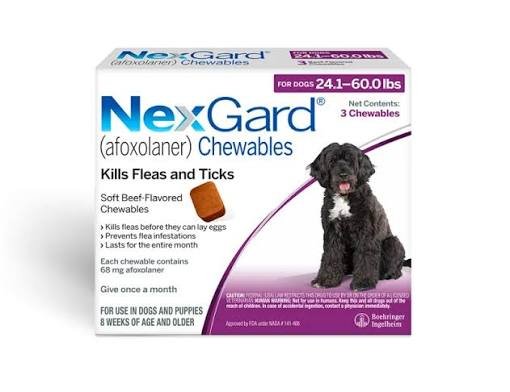
The U.S. Food and Drug Administration (FDA) has issued Emergency Use Authorisations (EUAs) for NexGard (afoxolaner) in dogs and NexGard COMBO (esafoxolaner, eprinomectin and praziquantel) in cats for treatment of New World screwworm (NWS) myiasis.
The authorisations expand the rapidly developing veterinary pharmaceutical response to Cochliomyia hominivorax, a parasitic fly whose larvae feed on living tissue and can cause severe or fatal infestations in animals. The FDA says the products may provide reasonable treatment options based on the scientific evidence currently available.
Multi-species pharmaceutical response expands
The new authorisations are part of a much broader U.S. regulatory response. As of 3 September 2026, FDA had issued 15 EUAs and three conditional approvals for animal drugs addressing NWS across livestock and companion-animal species. Products authorised or conditionally approved include parasiticides and topical treatments covering cattle, dogs, cats, horses, sheep, goats, swine and other species.
The development is significant because NWS is no longer being addressed exclusively as a cattle-health problem. Dogs and cats can also develop myiasis when wounds or mucous membranes become infested.
Strategic significance for animal health
The expansion of NWS indications is creating a distinctive emergency animal-health market spanning pharmaceuticals, wound management, diagnostics, veterinary surveillance and vector-control technologies.
For companion-animal manufacturers, emergency authorisations can also demonstrate how an established parasiticide platform can be rapidly repositioned when an emerging disease threat creates an urgent unmet need.
However, EUAs should not be interpreted as equivalent to conventional full marketing approval. Their continued validity is linked to the underlying emergency framework and FDA conditions.
What the industry should watch
Three developments will be important:
-
Geographic spread of NWS and the resulting demand for preventive products.
-
Transition from emergency authorisations to conventional approvals, where commercially justified.
-
Resistance and efficacy monitoring, particularly if individual active ingredients experience widespread use.

