


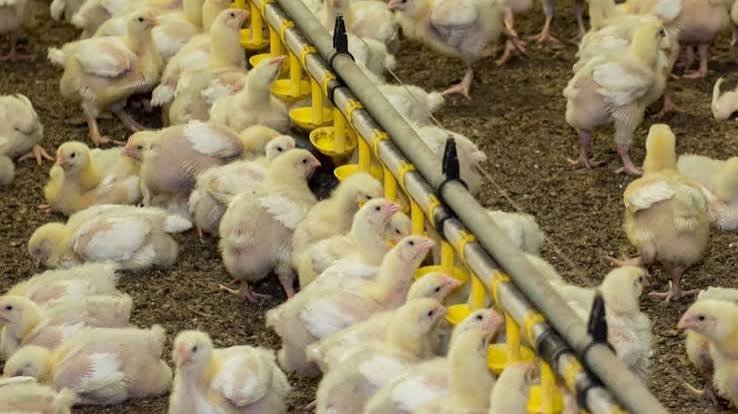
A European Commission DG SANTE audit of Thailand’s poultry export-control system has identified systemic shortcomings affecting veterinary oversight, traceability, inspection procedures and HACCP verification for poultry products destined for the European Union.
The audit was conducted from 4–23 June 2026 and concluded that although Thailand has a comprehensive legal and administrative framework, weaknesses in implementation undermine the reliability of official guarantees accompanying poultry exports to the EU.
Gaps identified across the poultry production chain
Auditors identified deficiencies in ante-mortem and post-mortem inspection, including cases where slaughter commenced before required clinical evaluations had been completed. The audit also highlighted weaknesses involving:
-
traceability of poultry products;
-
segregation of EU-eligible and non-eligible material;
-
HACCP verification;
-
veterinary oversight;
-
official certification;
-
controls over processing establishments.
These weaknesses are significant because international poultry trade depends not only on disease status but also on the ability of competent authorities to demonstrate that exported products have passed through a verifiable control chain.
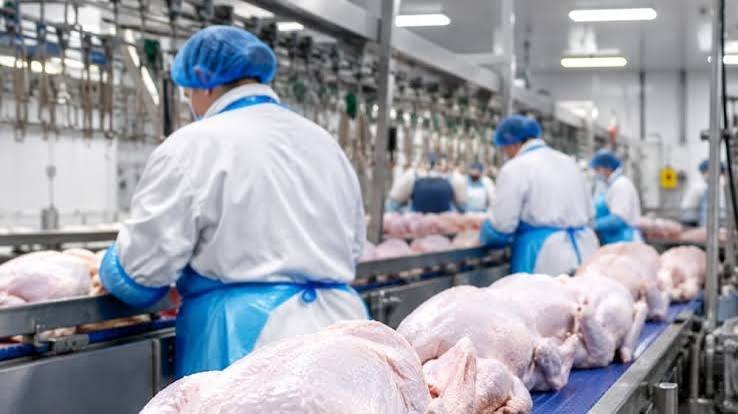
Market-access implications
Thailand is a major poultry exporter and an important supplier to international markets. Any regulatory concerns affecting EU eligibility therefore have implications beyond individual processing plants.
The development reinforces a broader trend in global poultry trade: biosecurity, traceability and veterinary certification are increasingly becoming commercial market-access assets.
For exporters, compliance failures can translate into additional audits, corrective-action requirements, shipment delays or restrictions on individual establishments.
Animal-health industry implications
The audit also creates opportunities for companies providing:
-
digital livestock and poultry traceability;
-
veterinary inspection systems;
-
HACCP monitoring;
-
laboratory diagnostics;
-
pathogen surveillance;
-
cold-chain and supply-chain verification;
-
automated production-record systems.

