Dominican Republic | Buffalo | Vector-borne disease | October 1, 2026
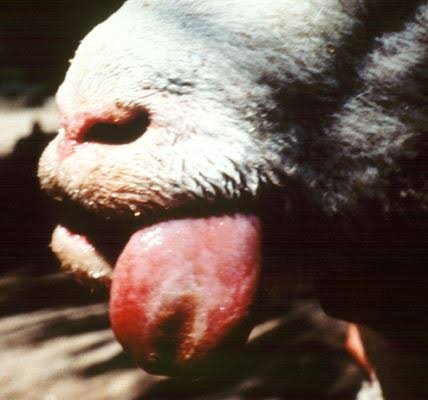
A new disease-intelligence alert from ProMED reports confirmed bluetongue in buffalo in the Dominican Republic.
Bluetongue is a vector-borne viral disease affecting susceptible ruminants and is transmitted primarily through Culicoides biting midges. The disease has major relevance to livestock production because infection can affect animal health, reproduction and productivity, while its occurrence can trigger surveillance and animal-movement considerations.
The new Dominican Republic alert is particularly relevant because buffalo are an important production species in several tropical and subtropical livestock systems. Vector-borne diseases can also present complex surveillance challenges because infection patterns are influenced by vector abundance, weather, animal movement and interactions between domestic and wild ruminant populations.
At present, the publicly accessible ProMED listing confirms the event but does not provide sufficient detail in the visible alert index to establish the number of affected animals, geographic distribution, clinical severity or economic losses. Those parameters should therefore not be inferred until veterinary authorities publish additional information.
Strategic / Analyst View
The event reinforces the need for ruminant disease surveillance that integrates livestock, vectors, climate and animal movement.
For animal-health companies, bluetongue creates potential demand across diagnostics, vector surveillance, vaccines where appropriate, epidemiological modelling and veterinary advisory services. For buffalo-producing regions, disease monitoring can be particularly important because clinical differentiation from other infectious conditions may require laboratory confirmation.
The development should be watched for any subsequent notification from Dominican veterinary authorities or WOAH concerning outbreak scale, serotype, control measures or animal movements.