

South Korea’s CJ CheilJedang and U.S. agribusiness major ADM have agreed to establish a new joint venture focused on feed-grade amino acids, combining CJ’s fermentation technology and amino-acid expertise with ADM’s U.S. manufacturing footprint, feedstock procurement and logistics capabilities.
Despite some early market descriptions positioning this as an Asia/Middle East amino-acid partnership, the announced transaction is actually centred on the Americas. The proposed JV will combine:
-
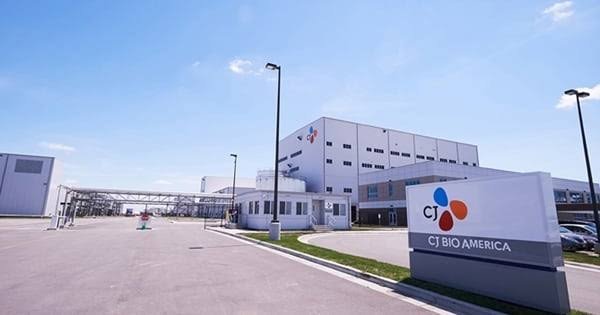
CJ’s Fort Dodge, Iowa facility
-
CJ’s Piracicaba, Brazil facility
-
ADM’s Decatur, Illinois amino-acid facility
-
CJ sales operations in the United States, Mexico and Brazil
-
CJ’s licensed feed-grade amino-acid intellectual property for the JV
The venture will have exclusive rights to manufacture and sell the covered feed-grade amino acids in North and South America. CJ will be the majority shareholder. Korean reporting indicates a proposed ownership structure of approximately 63% for CJ Bio America and 37% for ADM.
Why amino acids matter to poultry and swine
Feed-grade amino acids are fundamental to modern precision nutrition. The key concept is simple:
animals require amino acids—not crude protein itself.
Supplementation with individual essential amino acids allows nutritionists to formulate diets with lower crude-protein levels while still meeting the animal’s amino-acid requirements. For poultry and swine, this can improve:
-
feed conversion
-
nitrogen utilisation
-
protein efficiency
-
formulation flexibility
-
feed cost management
-
environmental performance
Lysine is particularly important in poultry and swine diets because it is commonly a limiting amino acid. Methionine is also fundamental, particularly in poultry nutrition.
Why CJ brings unusual capabilities
CJ CheilJedang’s competitive advantage is rooted in fermentation-based biotechnology. CJ Bio has developed a broad portfolio of feed amino acids and has highlighted its ability to produce L-methionine through innovative bioprocessing. Its R&D platform also covers amino acids including tryptophan, valine, arginine and histidine.
The company’s technology therefore extends beyond conventional commodity manufacturing. It is increasingly a precision-fermentation platform for animal nutrition.
Why ADM matters
ADM contributes a different set of advantages: feedstock + procurement + manufacturing + logistics + customer relationships.
The Decatur, Illinois facility gives the JV domestic U.S. amino-acid manufacturing capacity, while ADM’s broader agricultural infrastructure can potentially improve raw-material economics. The combination is strategically logical:
CJ = fermentation technology + amino-acid know-how
ADM = feedstocks + infrastructure + distribution