


This is by the far the most extensive researched piece that we have produced to lay out the future growth segments of global animal health industry and who among Top 4 Animal Health Companies’ is best suited to capitalize on these emerging and fairly substantial new growth opportunties.
Who Will Capture the Next Growth Wave – Cancer diagnostics, chronic kidney disease therapies, next-generation dermatology drugs and advanced parasiticides are reshaping the competitive landscape. Our exclusive strategic analysis examines the opportunities, the financial evidence and the companies best positioned to capture them through 2031.
While Zoetis on account of its existing sheer size remains unchallenged for the forseeable future, by the rest 3, from Top 4 AH Companies. As it goes, never say never – it may still be possible only and only if 2 of these 3 were to merge via an outsized acquisition which currently seems unlikely – the real fight is among Merck Animal Health, Elanco and Boehringer Ingelheim AH to gain a significant pie of these new growth opportunities. Savour the details…
Next BIG BATTLE in Pet Healthcare
Moolah, Dough, Money is to be made only in the Companion Animals segment and the global companion-animal health industry is approaching a strategic inflection point – which has potential to offer huge rewards to the sharpest and smartest company out there.
For years, much of its commercial success has rested on vaccines, parasiticides, dermatology products and routine veterinary care. These remain important markets, but the next phase of growth could be increasingly driven by early disease detection, chronic-disease management, precision diagnostics and treatments that extend the healthy lifespan of dogs and cats.

3 Key developments stand out / are playing out, rather fast.
First, cancer diagnostics could expand the number of animals identified for further investigation and treatment, creating opportunities across testing, pathology, oncology medicines and disease monitoring.
Second, feline chronic kidney disease (CKD) is emerging as a major therapeutic opportunity. A treatment that meaningfully delays disease progression could support a long-term care pathway involving medicines, biomarkers, repeat testing and veterinary monitoring.
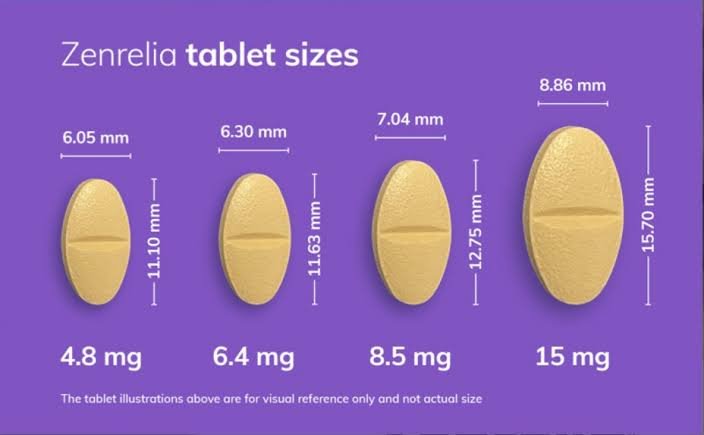
Third, dermatology is becoming more competitive. Elanco’s Zenrelia has demonstrated strong commercial momentum, Merck Animal Health has introduced NUMELVI in the United States, and Zoetis faces intensifying competition against established franchises including Apoquel.
The financial results reveal a market in transition. Elanco reported second-quarter 2026 revenue growth of 10%, while Merck & Co.’s Animal Health segment grew 8%. Zoetis reported flat revenue of approximately $2.5 billion and lowered its full-year outlook, citing pressure in companion-animal markets. Diagnostics specialist IDEXX Laboratories reported approximately 10% revenue growth, supported by demand for diagnostic services.
Our central conclusion: Zoetis is best positioned on the basis of the breadth of its disclosed companion-animal innovation opportunities, particularly in CKD, oncology and diagnostics.
Elanco is the strongest near-term commercial challenger based on recent launch momentum. Merck Animal Health remains a formidable competitor in parasiticides and dermatology. Boehringer Ingelheim has meaningful established capabilities, although less comparable public pipeline information is available for this assessment and hence may appear, in our assessment, as an “also ran” pureply on account of lack of visisbility of its pipeline.
These rankings are Our Strategic Judgements, and certainly not forecasts of share-price performance or guarantees of future market leadership.
Five growth opportunities that could redefine companion-animal health
1.Veterinary oncology: from diagnosis to treatment
Cancer is a major health concern in ageing companion animals. Zoetis has cited an estimate that approximately one in four dogs will develop cancer during their lifetime. The US Food and Drug Administration has approved several drugs for specific cancers in dogs, but the treatment landscape remains limited relative to the diversity of tumours affecting pets.
The opportunity extends beyond the development of a single oncology drug. A more developed veterinary oncology market could encompass:
-
Blood-based screening and early detection.
-
Confirmatory testing, imaging and pathology.
-
Tumour-specific medicines and targeted therapies.
-
Monitoring of treatment response and disease recurrence.
-
Referral networks connecting general-practice veterinarians with specialists.
IDEXX Laboratories is expanding its Cancer Dx platform, initially focused on lymphoma, and has discussed plans for a multi-cancer panel covering lymphoma, mast cell tumours and hemangiosarcoma.
The company-reported performance figures cited for the initial testing approach include specificity above 99% and sensitivity of 79%. These figures require interpretation in the context of the underlying study population and validation methods. They should not be taken as proof that a test can diagnose every cancer reliably in every asymptomatic dog.
The distinction is commercially important. High specificity can help reduce false-positive results, while imperfect sensitivity means some cancers may still be missed. Screening also creates value only when positive results lead to appropriate follow-up and meaningful clinical decisions.
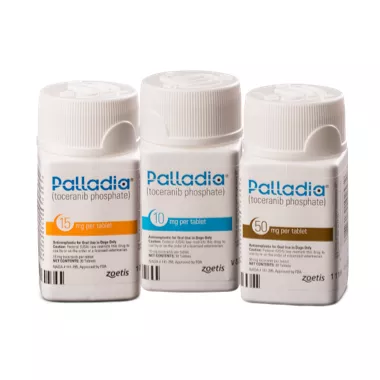
Zoetis already has a foothold in canine oncology through Palladia, approved for specific canine mast cell tumours, and has disclosed oncology candidates within its broader development pipeline.
Elanco has publicly identified oncology as an opportunity, particularly if a cost-efficient treatment can address a broad patient population. For Merck Animal Health and Boehringer Ingelheim, established research capabilities and veterinary relationships could be useful, but the public evidence reviewed for this report does not establish a comparable near-term oncology programme that would justify ranking either ahead of Zoetis.
Commercial implication: oncology could become a valuable growth category, but its economics will depend on clinical evidence, accessible treatment, diagnostic accuracy and the proportion of detected cases for which an effective intervention is available.
2. Chronic kidney disease: a potentially transformative feline-health opportunity
Chronic kidney disease is particularly important in older cats and can require prolonged management. The potential commercial prize is not simply a medicine that treats symptoms. It is a therapy that meaningfully delays disease progression and can be integrated into routine veterinary practice.
Zoetis has identified CKD as a major pipeline priority. Its second-quarter 2026 disclosure describes more than 12 potential blockbuster candidates across several areas, including CKD, oncology, cardiology, anxiety and obesity.
The company has also discussed development programmes involving chronic disease, monoclonal antibodies and diagnostic biomarkers. Management has described a potentially substantial addressable CKD market, but this should be treated as a company estimate rather than an independently verified revenue forecast.
The opportunity could span several stages of care:
-
Identification of cats at elevated risk.
-
Confirmatory testing and disease staging.
-
Treatment intended to delay progression, where supported by clinical evidence.
-
Management of hypertension and other complications.
-
Repeat blood and urine testing, biomarker monitoring and clinical follow-up.
-
Long-term supportive care, including nutrition and hydration management.
This creates an attractive commercial model because successful treatment may generate sustained demand for medicines and monitoring. Yet a pipeline candidate is not an approved product. Clinical outcomes, safety, regulatory review, pricing and adoption by veterinarians will determine whether the opportunity becomes commercially meaningful.
Boehringer Ingelheim has an established feline-health presence, including Semintra (telmisartan), used in feline hypertension management. That creates a relevant position in chronic feline care, but it should not be confused with evidence that the product is a new therapy proven to halt CKD progression.
Commercial implication: CKD is the clearest disclosed pipeline-led reason to favour Zoetis among the four companies assessed. Its ultimate advantage will depend on the clinical differentiation of its candidates and its ability to integrate diagnostics with treatment.
3. Dermatology: a major market becoming more competitive
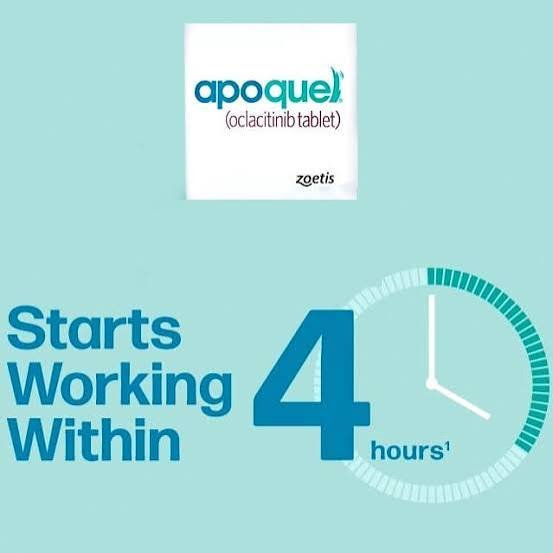
Dermatology has been one of the most commercially important companion-animal treatment categories. Zoetis built a substantial position through Apoquel and Cytopoint, but competition is intensifying as new products enter the market.
Elanco’s Zenrelia has emerged as an important growth driver. In its second-quarter 2026 results, Elanco reported:
-
Total revenue of $1.368 billion, up 10% year over year on a reported basis
-
Pet Health revenue of $718 million, up 12% reported and 11% on an organic constant-currency basis
-
Pet Health volume growth of 9%, primarily driven by Zenrelia and Credelio Quattro
-
Zenrelia use in approximately 18,000 US clinics, according to the company’s disclosure
-
A nine-percentage-point year-over-year gain in US JAK-market share, based on the company’s cited market data.
Zenrelia was the single largest contributor to Elanco’s global growth in the quarter, according to management.
These figures demonstrate commercial momentum, but they do not prove that the product will permanently displace incumbent therapies or that current growth rates will continue.
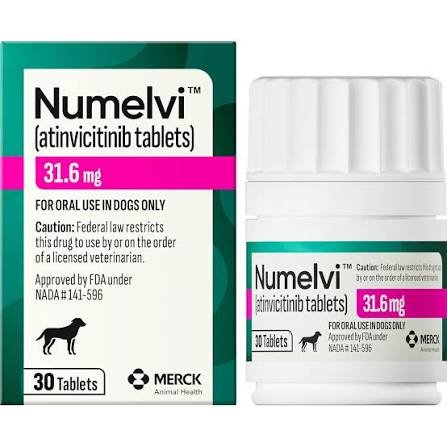
Merck Animal Health has added another competitor with NUMELVI (atinvicitinib), approved by the US FDA in February 2026 for controlling pruritus associated with allergic dermatitis in dogs aged six months and older.
Zoetis, meanwhile, retains a substantial franchise and has discussed further development of its dermatology portfolio, including a long-acting Cytopoint Plus formulation. Any expected approval or launch timetable should be treated as forward-looking until confirmed by the relevant regulator and company.
The competitive battleground is shifting from brand recognition alone toward efficacy, tolerability, dosing convenience, long-term disease control, veterinary confidence and price.
Commercial implication: Elanco currently has the stronger launch-momentum story in dermatology. Zoetis has a large incumbent franchise and opportunities to defend it through innovation. Merck’s entry further increases competitive intensity.
4. Diagnostics: the recurring-revenue opportunity
Diagnostics may become one of the most strategically important enablers of advanced pet medicine.
IDEXX Laboratories reported second-quarter 2026 revenue of approximately $1.2 billion, up around 10% year over year. Its Companion Animal Group diagnostics recurring revenue grew 11% on a reported basis, with increased diagnostic utilisation among its customers supporting performance.
The business model differs from pharmaceutical sales. Diagnostic platforms can generate recurring revenue from consumables and repeat testing, while greater disease awareness may create demand for confirmatory tests and follow-up monitoring.
The growth opportunity includes:
-
In-clinic chemistry and haematology testing.
-
Disease-specific biomarkers.
-
Cancer screening and confirmatory diagnostics.
-
Kidney-disease monitoring.
-
Imaging and pathology.
-
Repeat tests to evaluate progression or treatment response.
However, more testing does not automatically translate into better outcomes. The clinical value of screening depends on accuracy, appropriate patient selection, the ability to act on results and affordability for pet owners.
For Zoetis, diagnostic capabilities could complement its medicines pipeline. IDEXX remains an important independent beneficiary of increased testing, even if pharmaceutical companies capture the revenue from subsequent treatments.
5. Parasiticides: established franchises still matter; New Molecule??
Flea, tick, heartworm and intestinal parasite protection remains a major recurring category. Product innovation increasingly focuses on broader coverage, ease of administration, duration of protection and improved adherence.
Elanco’s Credelio Quattro has become an important growth contributor. The company reported that the product had penetrated more than half of its US veterinary-clinic base by the second quarter of 2026.
Merck’s BRAVECTO franchise remains substantial. Merck & Co.’s filing reported second-quarter BRAVECTO-line sales of $359 million, up 7% year over year, and first-half sales of $738 million, up 11%.
Boehringer Ingelheim also has an established position in companion-animal parasite control, while Zoetis benefits from its existing portfolio and global commercial reach.
This category may not carry the same upside as a genuinely breakthrough CKD or oncology therapy, but it can provide scale, recurring demand and customer relationships that support future product launches. With almost 15 Years of Isoxazolines on the market now – Time for a New Molecule, again we dont have much visibility on a new parasiticide expected to hit the market, though we did cover the future, potential candidates in our earlier piece in August 2026.
The four-company competitive assessment
Zoetis: the broadest disclosed innovation opportunity
Zoetis combines an established global companion-animal medicines franchise with a pipeline spanning chronic kidney disease, oncology, cardiology, anxiety and obesity. Its existing oncology product and diagnostic capabilities provide additional strategic options.
The company is nevertheless facing near-term pressure. Its second-quarter 2026 results reported revenue of approximately $2.5 billion, flat year over year, and net income of $691 million, down 5%. Management cited lower clinic visits, pet-owner price sensitivity and heightened competition in important categories. Zoetis revised its full-year revenue-growth outlook to an organic operational decline of 3% to 1%.
The strategic question is whether its innovation pipeline can offset competitive pressure on existing franchises.
Strengths: portfolio breadth, commercial scale, oncology experience, disclosed CKD ambitions and diagnostic capabilities.
Risks: weaker near-term US companion-animal demand, pricing pressure and uncertainty around the timing and success of pipeline launches.
Assessment: strongest overall platform for capturing multiple emerging therapeutic opportunities.
Elanco: the commercial momentum challenger
Elanco’s second-quarter performance was stronger on a reported growth basis. Revenue rose 10% to $1.368 billion, and reported net income increased to $54 million from $11 million a year earlier. Pet Health revenue grew 12% reported and 11% organically on a constant-currency basis.
Zenrelia and Credelio Quattro are central to the growth narrative. Elanco also raised its full-year 2026 revenue guidance to $5.09–$5.14 billion and adjusted EBITDA guidance to $1.01–$1.035 billion.
However, growth must be assessed alongside profitability, debt and cash generation. Elanco reported a net leverage ratio of 3.1 times adjusted EBITDA at the end of the second quarter, making execution and deleveraging important financial priorities.
Strengths: current product momentum, market-share gains and the ability to challenge established franchises.
Risks: sustaining launch growth, converting sales into cash flow, managing leverage and proving comparable leadership in emerging oncology or CKD therapies.
Assessment: strongest near-term challenger, particularly if its recent product momentum translates into durable earnings growth.
Merck Animal Health: a scaled and increasingly competitive player
Merck & Co.’s Animal Health segment reported second-quarter 2026 sales of $1.775 billion, up 8% year over year. Companion-animal sales reached $734 million, up 7%, while livestock sales reached $1.041 billion, up 8%.
The segment benefits from established parasiticide products, including BRAVECTO, and its entry into canine dermatology with NUMELVI.
Merck’s financial scale and portfolio breadth provide a strong foundation, although the figures include livestock products and should not be interpreted as companion-animal-only revenue.
Strengths: broad portfolio, parasiticide scale, global commercial reach and a new dermatology competitor.
Risks: continued competitive pressure and the need for further differentiated companion-animal innovation to capture emerging chronic-disease markets.
Assessment: a strong diversified competitor with a credible route to expand in treatment categories beyond prevention.
Boehringer Ingelheim: established capabilities, less comparable public disclosure
Boehringer Ingelheim’s companion-animal portfolio spans portfolios from arguably 2 of the best organizations – Merial of the past and original, Boehringer Ingelheim of the present – which includes high value parasiticides, vaccines and therapeutics. Its established feline-care products, including Semintra for feline hypertension, provide relevant commercial relationships and clinical experience.

However, Boehringer is privately held and does not disclose the same comparable standalone financial detail as the listed companies. The public information reviewed for this report also does not establish a CKD or oncology programme comparable in disclosed near-term detail to Zoetis’s pipeline.
Strengths: established pet-health products, research capabilities and a broad veterinary portfolio.
Risks: less transparent comparable financial and pipeline data, making relative opportunity capture harder to quantify.
Assessment: a meaningful competitor whose true position may be clearer with additional product-level and pipeline disclosures.
Comparative scorecard: who is best positioned to win?
The following scores are qualitative editorial assessments of disclosed capabilities and strategic positioning. They are not company guidance, audited market-share measures or investment ratings.
Company |
Strategic score |
Strongest opportunity |
Main challenge |
|---|---|---|---|
Zoetis |
8.5/10 |
CKD, oncology and integrated diagnostics |
Stabilising the existing business and delivering pipeline milestones |
Elanco |
8.0/10 |
Dermatology and broad-spectrum parasiticides |
Sustaining growth, improving cash generation and reducing leverage |
Merck Animal Health |
7.5/10 |
Parasiticides and dermatology expansion |
Building a stronger disclosed position in emerging chronic-disease markets |
Boehringer Ingelheim |
7.0/10 |
Established pet-health portfolio and feline care |
Limited comparable public evidence for this specific pipeline comparison |
The scores are not measurements of scientific quality. They reflect the evidence available for this report and the breadth of the opportunities identified.
Zoetis ranks first because it has several potential growth routes rather than dependence on a single launch. Elanco is close behind because it has demonstrated stronger current commercial momentum. Merck is a credible diversified challenger, while Boehringer’s relative position is harder to assess without comparable public data.
What the financial results reveal
The second-quarter results illustrate why current growth and future opportunity must be assessed separately.
Business |
Q2 2026 revenue |
Reported year-over-year growth |
|---|---|---|
Zoetis |
Approximately $2.5bn |
Flat |
Elanco |
$1.368bn |
+10% |
Merck Animal Health |
$1.775bn |
+8% |
IDEXX Laboratories |
Approximately $1.2bn |
Approximately +10% |
Sources: company Q2 2026 disclosures. Merck Animal Health is a segment of Merck & Co.; IDEXX is included as a diagnostics comparator, not as one of the four pharmaceutical competitors.
These figures are not directly comparable measures of companion-animal performance. Zoetis, Elanco and Merck have livestock businesses, while IDEXX has a different revenue mix and recurring diagnostics model. Foreign exchange, acquisitions, product mix and differences between reported and organic growth can also affect comparisons.
The financial evidence supports three conclusions.
First, Elanco’s recent growth is being supported by identifiable product launches rather than only general market expansion.
Second, Zoetis has near-term commercial challenges despite a broad pipeline of future opportunities.
Third, diagnostics growth can remain attractive even when clinic visits and pharmaceutical demand face pressure, provided utilisation and recurring testing continue to rise.
Next 5 years: Strategic Scenarios through 2031
The period from 2027 to 2031 could produce different winners depending on the pace of clinical innovation and the economics of access.
Scenario A: CKD treatment becomes a major new category. If a disease-modifying therapy demonstrates meaningful clinical benefit and receives regulatory approval, Zoetis could be particularly well positioned. Diagnostic companies and veterinary practices could also benefit from increased monitoring. The outcome depends on trial results, safety, approval timing, pricing and adoption.
Scenario B: Dermatology competition intensifies further. Elanco could continue to gain share if Zenrelia maintains its momentum. Merck’s NUMELVI could broaden competitive pressure, while Zoetis could respond through product differentiation, dosing convenience and commercial execution. Price competition could limit profit growth even as the overall treatment market expands.
Scenario C: Cancer screening becomes routine. IDEXX could capture increased testing demand, but pharmaceutical beneficiaries would depend on whether early detection leads to effective, accessible treatments. The clinical utility of screening, including false-positive rates and appropriate follow-up, will be central to adoption.
Scenario D: Affordability constrains treatment growth. If veterinary visits remain under pressure or owners cannot afford extended treatment pathways, even clinically differentiated products may struggle to reach their potential. Tiered pricing, targeted promotions and efficient clinical workflows would become more important.
These are scenarios, not predictions. The companies’ relative positions will change as clinical evidence, approvals, launches and financial performance evolve.
CHINA: a distinct growth opportunity
China should be assessed as a separate market rather than simply a smaller version of the United States. Product registration, veterinary access, price sensitivity, distribution and the availability of diagnostic services will influence adoption.
Potential growth areas include parasite prevention, dermatology, vaccines, diagnostic testing and improved awareness of chronic disease. Advanced oncology and new CKD therapies could become more commercially relevant as diagnostic and referral capacity expands.
For Zoetis, a broad portfolio and diagnostic expertise could support a tiered access strategy. Elanco’s recent dermatology and parasiticide momentum may be relevant if local registrations and pricing support adoption. Merck has established parasiticide franchises and a new dermatology product in the US market. Boehringer Ingelheim has established feline and canine products that provide a platform for continued participation.
These are strategic hypotheses, not claims about current Chinese market shares or launch plans. A rigorous China-specific ranking would require comparable local sales, registration status, retail prices, distribution reach and product-level market-share data.
The indicators that will decide the winners
The following milestones should be monitored in quarterly results and regulatory disclosures:
Zoetis
-
CKD candidate progress, clinical readouts and regulatory milestones
-
Oncology pipeline updates and evidence of clinical differentiation
-
Stabilisation of US companion-animal sales
-
Dermatology market-share trends and adoption of newer products
-
Growth in diagnostics and monitoring services
Elanco
-
Zenrelia sales, clinic penetration and market-share progression
-
Credelio Quattro adoption and repeat use
-
Pet Health organic growth and product-level contribution
-
Margin expansion, free cash flow and debt reduction
-
Verified clinical or regulatory progress in oncology and CKD
Merck Animal Health
-
NUMELVI adoption and dermatology performance
-
BRAVECTO sales growth and product innovation
-
Companion-animal performance relative to livestock
-
New disclosures in chronic-disease and oncology development
Boehringer Ingelheim
-
New companion-animal launches and regulatory milestones.
-
Feline chronic-disease innovations.
-
Product-level sales or market-share disclosures.
-
Partnerships or acquisitions that expand diagnostics and specialty therapeutics.
These indicators provide a more reliable framework than simply extrapolating one quarter’s growth rate.
Conclusion: Zoetis leads on breadth; Elanco leads on current momentum
The next growth wave in companion-animal health is likely to be defined by the interaction of diagnostics, medicines and long-term disease management.
Zoetis is best positioned on the breadth of its disclosed opportunities, particularly CKD and oncology. Its challenge is converting scientific investment into successful products while managing current competitive pressure.
Elanco has the strongest near-term commercial momentum among the companies assessed, supported by Zenrelia and Credelio Quattro. Its longer-term position will depend on sustaining product growth while improving profitability and reducing leverage.
Merck Animal Health remains a substantial competitor, with established parasiticide franchises and a new dermatology option. Boehringer Ingelheim retains meaningful capabilities, although its private-company disclosures make a direct comparison more difficult.
The broader industry opportunity is not simply to sell more medicines to more pets. It is to identify disease earlier, treat it more effectively, improve adherence and make advanced care economically accessible.
The company that best integrates clinically meaningful innovation with diagnostic access, veterinary adoption and sustainable pricing will be best placed to capture the next phase of companion-animal health growth. On currently disclosed evidence, Zoetis has the broadest opportunity set; Elanco is the most compelling near-term challenger.
Sources and verification notes
-
Zoetis: Second-quarter 2026 financial results and pipeline update.
-
Elanco: Second-quarter 2026 financial results.
-
Merck & Co.: Second-quarter 2026 results and Animal Health segment disclosure.
-
Merck Animal Health: US FDA approval of NUMELVI for dogs.
-
IDEXX Laboratories: Second-quarter 2026 results.
-
US FDA: Information on cancer treatments for dogs and cats.

