HomeCompanion AnimalsAPOP Releases 2026 Pet Obesity Communication Guidelines and Launches National Prevalence Survey

APOP Releases 2026 Pet Obesity Communication Guidelines and Launches National Prevalence Survey

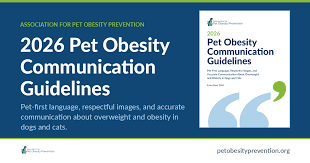
RALEIGH, N.C. — October 14, 2026 — Marking National Pet Obesity Awareness Day, the Association for Pet Obesity Prevention (APOP) launched its updated 2026 Pet Obesity Communication Guidelines (Version 2.0) alongside its nationwide annual prevalence survey. The diagnostic framework refines how veterinary clinical teams categorize, communicate, and manage excess adiposity in dogs and cats.

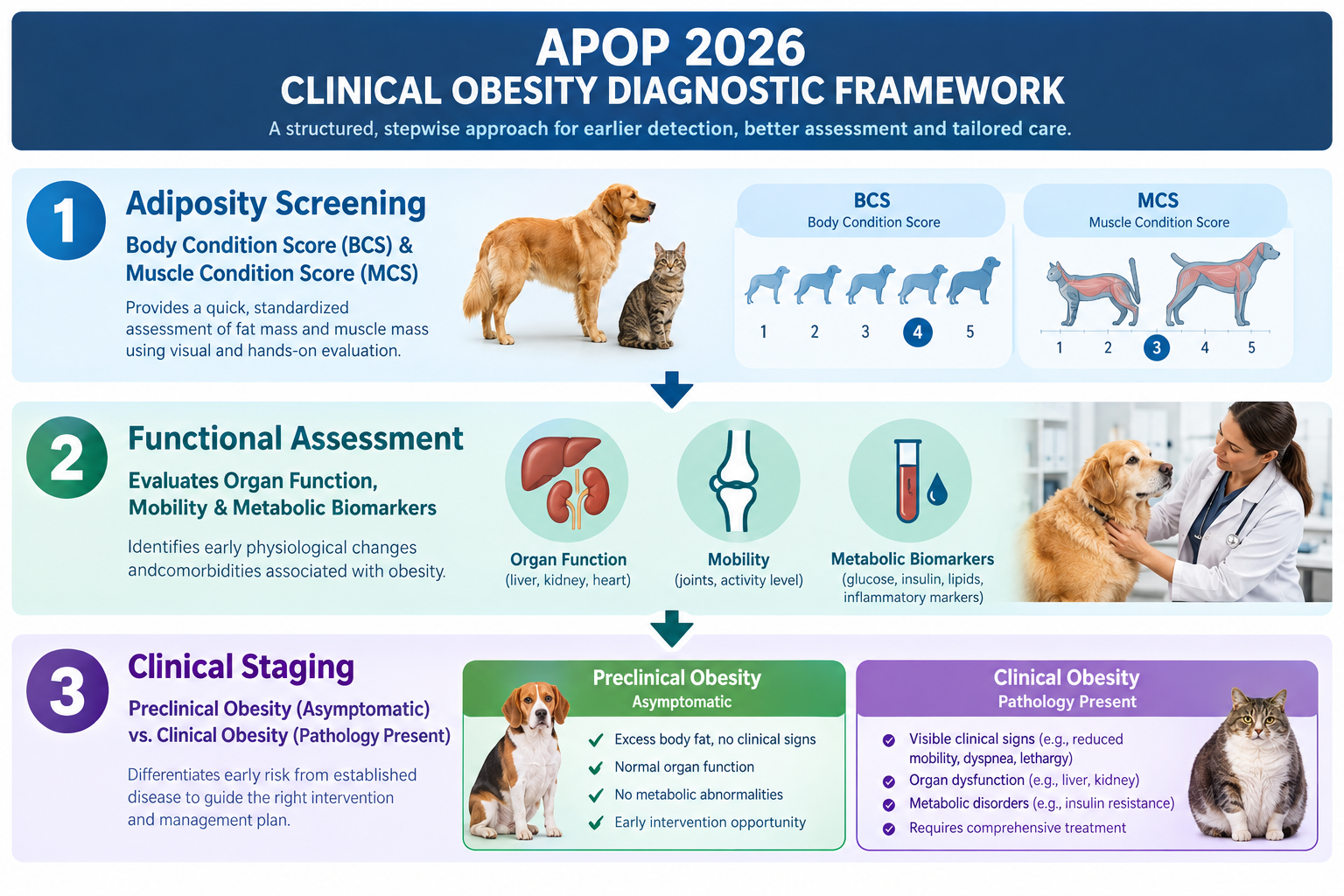
Distinguishing Preclinical vs. Clinical Obesity

Under the updated 2026 criteria, a high Body Condition Score (BCS) alone is no longer treated as a definitive clinical diagnosis. The guidelines establish a functional dichotomy:

  • Preclinical Obesity: Defined as excess adiposity in the obesity range with preserved tissue and organ function. It carries a high risk of progression but requires specific clinical evaluation before assigning pathology.

  • Clinical Obesity: Diagnosed when excess body fat causes, worsens, or sustains a functional impairment, metabolic dysfunction, or degraded quality of life.

  • Interactive Web Guidance: APOP introduced dedicated role-based portals for veterinary professionals, pet owners, and journalists to standardize communication surrounding therapeutic caloric reduction, mobility planning, and client dialogue.


Animal Health India Editorial Team
Animal Health India Editorial Teamhttps://animalhealthindia.com
Animal Health India (AHI) is an independent news and intelligence platform covering the global animal health, veterinary, livestock, poultry, companion animal and pet food sectors. Our editorial team comprises veterinary journalists, animal health professionals, regulatory affairs specialists and industry analysts with over 30 years of combined experience covering India, Asia, Europe and North America. AHI publishes news, regulatory updates, market intelligence and company news drawn from primary sources including DAHD, EMA, USDA, AVMA and leading veterinary publications worldwide.

RELATED ARTICLES