


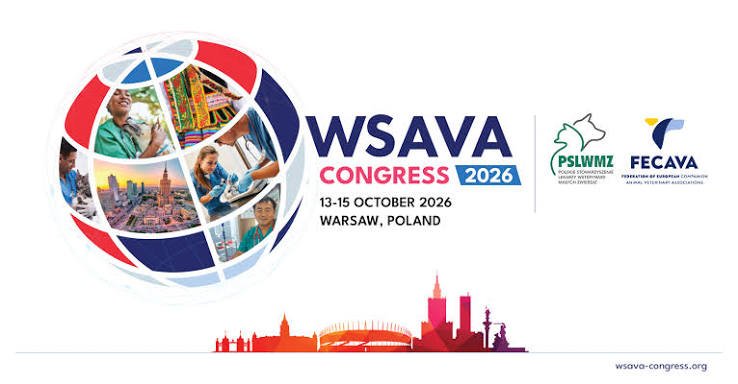
Warsaw, Poland — 14 October 2026
The 51st World Small Animal Veterinary Association (WSAVA) World Congress continued in Warsaw on Wednesday, bringing together companion-animal veterinary professionals, scientific specialists and animal-health companies for a programme combining clinical education, professional collaboration and industry engagement.
The three-day WSAVA–PSAVA–FECAVA congress is being held from 13–15 October at EXPO XXI in Warsaw. Its second day features a broad clinical agenda covering emerging infectious diseases, cardiology, surgery, dermatology, dentistry, neurology, chronic disease management and veterinary pain. Official congress programme and WSAVA congress information.
Among the most significant industry announcements identified in today’s reporting is the introduction of VMD Access International by VMD Sciences, a portal intended to help veterinary professionals investigate potential access to animal-health products through established international supply and regulatory pathways.
For the global veterinary industry, the developments emerging from Warsaw highlight several connected priorities: access to medicines, evidence-based clinical practice, emerging zoonotic threats, preventive care and the continuing role of industry in veterinary education.

1. VMD Sciences introduces VMD Access International
VMD Sciences announced the launch of VMD Access International on 14 October, using the WSAVA World Congress as the setting to introduce its international veterinary access platform.
According to the company’s announcement, the portal provides a central resource for veterinary professionals seeking to identify animal-health products that may be accessible through established export-pharmacy and regulated import-export channels.
The company says the catalogue covers more than 3,000 products, including medicines and biologics approved in other markets, across companion animals, livestock, equine and exotic species.
The platform also incorporates access to essential-medicines lists associated with WSAVA, the World Organisation for Animal Health (WOAH), the World Veterinary Association (WVA) and Brooke.
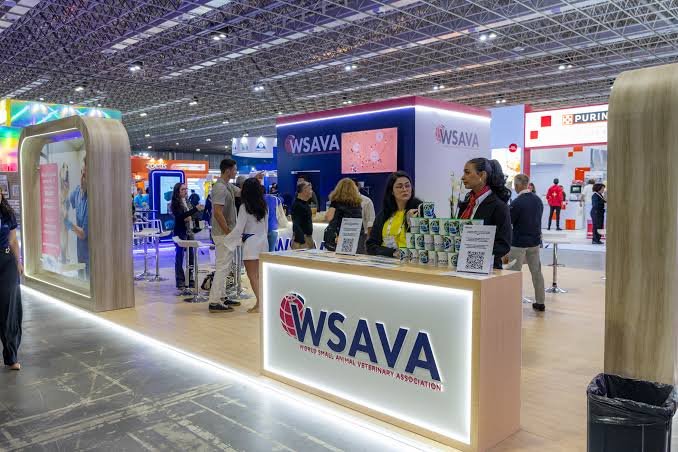
The company says licensed veterinarians and pharmacists can request accounts and that congress attendees can visit its stand, booth 152 in Hall 4, to learn about the platform. Source: VMD Sciences’ announcement, published 14 October 2026.
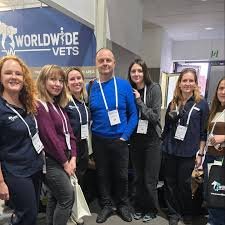
2. WSAVA Global Survey scheduled for Day 2 plenary
The official scientific programme lists a plenary session entitled “Launch of the WSAVA Global Survey” on 14 October.
The session is a notable item on the congress agenda because international veterinary surveys can help professional associations understand the needs, experiences and challenges of practitioners across different countries and practice settings. For veterinary businesses, professional associations and policymakers, the eventual findings may be relevant to workforce planning, clinical education, access to veterinary services and differences in practice conditions between markets.
3. Emerging zoonoses and H5N1 feature in the scientific programme
Emerging infectious diseases form an important component of the Day 2 agenda.
Today’s programme includes a session on H5N1 from a global perspective, alongside discussions of emerging infectious diseases, vaccination and the practical realities of One Health and climate change.
These topics are significant because the health of animals, people and the environment is interconnected. Changes in animal populations, environmental conditions, pathogen circulation and human–animal contact can all influence infectious-disease risks.
For companion-animal practitioners, the implications include maintaining awareness of changing disease patterns, taking appropriate exposure histories, applying infection-prevention protocols and recognising when public-health or specialist veterinary input is needed.
4. Clinical innovation: cardiology, surgery and chronic disease management
The congress’s Day 2 also places considerable emphasis on clinical decision-making and the management of complex conditions in dogs and cats.
Topics and Subjects Being Discussed Today include:
-
New diagnostic and therapeutic approaches to canine myxomatous mitral valve disease
-
Practical approaches to canine cardiac stimulation
-
Feline immune-mediated haemolytic anaemia and diabetes management
-
Aseptic technique and strategies to minimise surgical-site infections
-
Biliary tract disease in cats
-
Acute spinal cord injury and emergency seizure management
-
Practical dental assessment and prevention
-
Dermatological conditions, including hereditary skin disease
-
Chronic pain and canine osteoarthritis
These subjects span diagnosis, treatment selection, surgical safety, long-term disease management and quality of life.
5. Veterinary pain management remains a prominent industry theme
Today’ proceedings include Zoetis Pain Symposium, alongside sessions addressing canine osteoarthritis and practical pain-related care. Pain management is an important area of companion-animal medicine because chronic musculoskeletal conditions can affect mobility, behaviour and quality of life, particularly in ageing animals.
For animal-health companies, pain management represents a multidisciplinary field involving pharmaceuticals, clinical education and tools that support the assessment of treatment outcomes.
6. Industry sessions: Hill’s, MSD Animal Health, VET PLANET and Elanco
The official congress timetable lists the following industry sessions for Wednesday, 14 October.
Company |
Scheduled time |
Venue |
|---|---|---|
Hill’s Pet Nutrition |
10:50–11:20 |
Exhibition II |
MSD Animal Health |
13:15–14:15 |
Hall 4 |
VET PLANET |
13:15–14:15 |
Hall 5 |
Elanco |
16:05–16:35 |
Exhibition II |
These sessions offer opportunities for industry engagement alongside the scientific programme. Their subjects and any associated product announcements should be reported separately once the relevant company materials or presentations have been verified.
7. What the developments mean for the global animal-health industry
The second day of WSAVA 2026 illustrates how veterinary medicine increasingly brings together clinical evidence, access to treatment, disease preparedness and commercial innovation. Three themes deserve particular attention.
First, access is an operational and regulatory challenge. VMD Access International highlights the role that information platforms may play in helping veterinary professionals explore treatment options across borders. Their usefulness will depend on the quality of information, product availability and compliance with local regulations.
Second, clinical education remains central to the veterinary value chain. The congress programme covers conditions requiring diagnostic expertise, long-term monitoring and multidisciplinary care. These needs create opportunities for technology providers, pharmaceutical companies, laboratories and veterinary-service businesses, but commercial success ultimately depends on clinical value and appropriate use.
Third, infectious-disease preparedness requires a One Health perspective. Sessions on H5N1, emerging zoonoses and climate-related disease challenges reinforce the importance of collaboration between veterinarians, animal-health authorities, public-health professionals and researchers.
8. What to monitor before the congress closes
The final day of the congress is scheduled for tomorrow, Thursday, 15 October. Several areas warrant further reporting as new information becomes available:
-
Product and technology announcements: new veterinary medicines, diagnostics, devices, software and therapeutic nutrition products
-
Scientific findings: newly presented research and original study results from educational lectures
-
Regulatory developments: any product announcement including a new authorisation, indication or market-specific approval
-
Industry partnerships: new distribution agreements, collaborations or commercial transactions

