


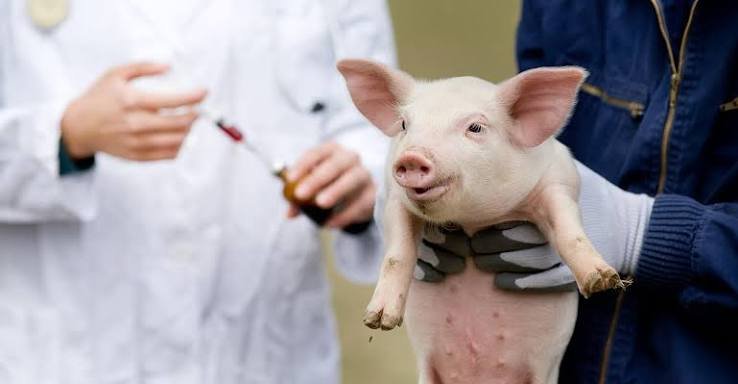
INGELVAC CIRCOFLEX AD combines PCV2a and PCV2d antigens in a single dose, strengthening Boehringer Ingelheim’s swine-health portfolio as PCV2d gains prominence in pig populations.
BURLINGTON, ONTARIO, 15 October 2026 — Boehringer Ingelheim has launched INGELVAC CIRCOFLEX AD in Canada, introducing what the company describes as the country’s first porcine circovirus type 2 (PCV2) vaccine to combine PCV2a and PCV2d antigens in a single dose. Announced on 13 October, the launch addresses evolving PCV2 genotype patterns and the continuing challenge of protecting herd health and production performance.
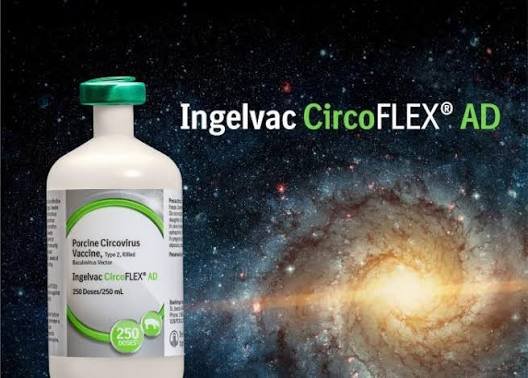
Launched in US in 2025
Boehringer Ingelheim’s Cananda launch of Circoflex AD – follows its fairly successful launch in US in Q1 of 2025.
-
INGELVAC CIRCOFLEX® AD is the first vaccine to provide protection against the most prevalent genotypes of porcine circovirus type 2 (PCV2), combining PCV2a and PCV2d antigens in a single dose.
-
PCV2 is one of the most common and devastating viruses in pigs, leading to poor pig health, reduced herd performance and losses for producers.
-
The latest innovation in swine disease prevention from Boehringer Ingelheim offers advanced protection against PCV2, with a fast onset of immunity after just two weeks and at least six months of protection.
The vaccine builds on the company’s established INGELVAC CIRCOFLEX platform. According to Boehringer Ingelheim, the new formulation is designed to provide protection against two important PCV2 genotypes, with immunity beginning within two weeks and protection lasting at least six months, as stated in the company’s Canadian announcement.
The launch reflects a wider industry priority: aligning preventive veterinary medicines with changes in pathogen populations while maintaining practical vaccination programmes for commercial pig production.
Why PCV2 remains a major concern for pig producers
Porcine circovirus type 2 is associated with porcine circovirus-associated disease, a group of conditions that can compromise pig health and production efficiency. Clinical and production consequences may include wasting, respiratory problems, diarrhoea, impaired growth and greater vulnerability to concurrent infections.
At the farm level, the economic impact can extend beyond clinically affected pigs. Uneven growth, delayed market readiness, additional veterinary interventions and inconsistent batch performance can affect production costs and throughput.
PCV2 comprises several genotypes. Boehringer Ingelheim identifies PCV2d as increasingly prominent in Canada and internationally, citing company material that places PCV2d at approximately 60%–80% of infections. The precise distribution varies by geography, population and surveillance method, so this figure should not be interpreted as a universal prevalence estimate.
The emergence of PCV2d has intensified interest in vaccine strategies that address more than one genotype. However, genotype coverage alone does not establish superior field performance: protection must also be evaluated against clinical disease, viraemia, growth outcomes and the epidemiological conditions of individual herds.
What the new vaccine offers
INGELVAC CIRCOFLEX AD combines PCV2a and PCV2d antigens in a single-dose product. The company positions the vaccine as an additional option for veterinarians and producers seeking broader coverage against circulating PCV2 genotypes.
Key product details announced by the company include:
-
Dual-genotype formulation: PCV2a and PCV2d antigens in one dose
-
Onset of immunity: Two weeks, according to the manufacturer
-
Duration of protection: At least six months, according to the manufacturer
-
Intended application: PCV2 prevention within veterinary-managed swine-health programmes
Industry perspective: a response to changing viral epidemiology
The Canadian launch illustrates how animal-health companies are adapting established vaccine platforms to evolving pathogen populations.
For producers, the commercial question is not simply whether a vaccine includes an additional antigen. Its value depends on whether the formulation delivers reliable protection under field conditions and translates into measurable improvements in health, growth and production consistency.
Christopher Robitaille, director of swine production at Groupe Robitaille, welcomed the launch in the company’s announcement, highlighting the potential to broaden PCV2 coverage through a single dose. He also stressed the importance of measurable improvements rather than adopting new technology for novelty alone.
Implications for Boehringer Ingelheim
1. Product differentiation in a competitive vaccine category
Combining PCV2a and PCV2d antigens gives Boehringer Ingelheim a clear product-positioning proposition in a mature swine vaccine market. The commercial opportunity will depend on how veterinarians and producers assess the added coverage relative to existing products, costs and farm-level outcomes.
2. Strengthening the existing CIRCOFLEX platform
The new formulation extends the company’s established PCV2 franchise rather than relying exclusively on an entirely separate product platform. This can support continuity in customer relationships and create opportunities for veterinary engagement around changing disease patterns.
3. Greater emphasis on evidence from commercial herds
The launch creates an opportunity to generate real-world evidence on clinical protection, viral-load outcomes, growth performance and production consistency. Robust, independently assessed field data would help clarify where dual-genotype vaccination delivers the greatest incremental value.
4. Competitive pressure on the broader market
Rival animal-health companies may face greater pressure to demonstrate how their PCV2 products perform against currently circulating genotypes. This does not automatically mean existing vaccines are ineffective; rather, it raises the importance of genotype surveillance and comparative evidence.
What producers and veterinarians should monitor
The next phase will be evidence-led. Priority questions include whether the dual-genotype formulation reduces clinically significant PCV2 disease under field conditions, whether improvements in growth and feed efficiency are measurable, and how it performs in herds with concurrent infections or established vaccination programmes.
Veterinarians should also monitor local genotype data, vaccination timing, biosecurity and other factors affecting immune response. No vaccine replaces comprehensive herd-health management.
Outlook
Boehringer Ingelheim’s launch of INGELVAC CIRCOFLEX AD is a notable product development in swine preventive health. Its significance lies in combining two PCV2 genotypes in one dose at a time when PCV2d is receiving increased attention in epidemiological surveillance.
For Boehringer Ingelheim, the launch offers an opportunity to differentiate its swine-health portfolio. For the wider industry, it reinforces a central trend in veterinary vaccines: product development increasingly reflects pathogen diversity, while commercial success will depend on demonstrating meaningful outcomes in the field.
Sources: Boehringer Ingelheim Canada, product launch announcement, 13 October 2026; National Hog Farmer, industry report, October 2026; Franzo et al., Frontiers in Microbiology (2024), “An updated phylogeography and population dynamics of porcine circovirus 2 genotypes”; Köszegi et al., Canadian Animal Health National Laboratory, report on PCV2d identification and genome characterisation in Canada.

