HomeLivestockUK Warns Farmers Against Trading Surplus Bluetongue Vaccines

UK Warns Farmers Against Trading Surplus Bluetongue Vaccines

UK Authorities Warn Against Informal Bluetongue Vaccine Trading as Livestock Protection Remains a Priority

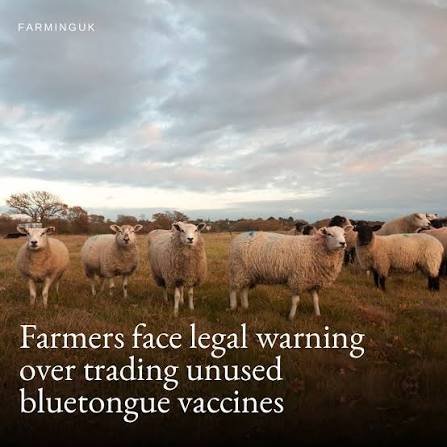
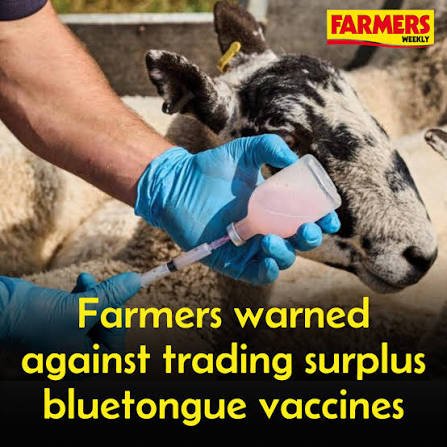
UNITED KINGDOM — October 2026: The Veterinary Medicines Directorate (VMD) has warned livestock keepers not to buy, sell or exchange leftover bluetongue virus serotype 3 (BTV-3) vaccines through social media, online marketplaces or private arrangements. The warning addresses the animal-health and regulatory risks associated with veterinary vaccines transferred outside authorised supply channels.

The VMD said it had received reports of animal keepers trading surplus BTV-3 vaccines. Once a veterinary medicine leaves the authorised distribution chain, its storage, handling and transportation conditions may be difficult to verify, creating uncertainty about product quality, safety and effectiveness.

Why vaccine integrity matters

Bluetongue is a vector-borne viral disease affecting susceptible ruminants, particularly sheep and cattle. Disease severity varies by species, virus strain and other factors, and outbreaks can result in animal-welfare consequences, production losses and restrictions on livestock movements.

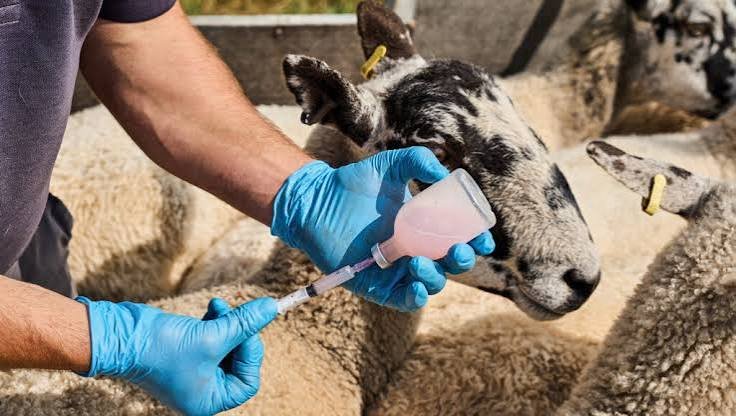
Vaccination can be an important component of disease-control planning, but its benefits depend on the use of appropriate products under veterinary guidance. Unverified storage conditions can compromise confidence in a vaccine’s integrity, while incorrect product selection or administration may undermine a farm’s protection strategy.

The VMD’s warning specifically concerns BTV-3 vaccines and does not mean that all vaccine products are unavailable or that every region faces identical supply conditions.

Prescription-only status and legal controls

According to the VMD, BTV-3 vaccines are prescription-only veterinary medicines. Animal owners cannot legally supply such medicines to other animal owners, even where the recipient has a veterinary prescription.

The regulator advises livestock keepers to obtain vaccines through a veterinary surgeon or an authorised supplier and to discuss suitable vaccination plans with their veterinary team.

This distinction is important in periods of high demand. Informal exchanges may appear to offer a quick solution to shortages, but they bypass safeguards designed to protect medicine quality and ensure appropriate use.

Supply pressures and sector response

Earlier industry reporting in August described strong demand for BTV-3 vaccines in Great Britain and efforts by manufacturers to bring additional supplies into the market. The UK Government also reported in September that it had worked with manufacturers and other partners to increase availability, including through authorised imports.

Farmers should seek current advice on availability, product suitability and vaccination timing from their veterinary surgeon. Disease surveillance, early reporting of suspected cases and compliance with livestock movement requirements remain important alongside vaccination.

Implications for manufacturers and veterinary distributors

For vaccine manufacturers, wholesalers and veterinary practices, demand forecasting and transparent allocation processes can help reduce uncertainty. Clear communication about expected deliveries and authorised alternatives can also discourage informal trading.

The regulatory message is straightforward: protecting vaccine integrity is part of disease prevention, not an administrative detail. The practical response should be coordinated veterinary planning and use of authorised supply channels.

Animal Health India Editorial Team
Animal Health India Editorial Teamhttps://animalhealthindia.com
Animal Health India (AHI) is an independent news and intelligence platform covering the global animal health, veterinary, livestock, poultry, companion animal and pet food sectors. Our editorial team comprises veterinary journalists, animal health professionals, regulatory affairs specialists and industry analysts with over 30 years of combined experience covering India, Asia, Europe and North America. AHI publishes news, regulatory updates, market intelligence and company news drawn from primary sources including DAHD, EMA, USDA, AVMA and leading veterinary publications worldwide.

RELATED ARTICLES