
Argentina’s livestock-sector regulatory framework is placing greater emphasis on identifying cattle-tick resistance to veterinary acaricides and linking that information to farm-level control measures and livestock movement procedures.
A report published by Primicias Rurales on 25 October highlighted requirements associated with National Service for Agrifood Health and Quality (SENASA) Resolution 655/2026. The resolution, published in Argentina’s Official Gazette in July, sets out procedures covering tick-resistance classification, pre-dispatch inspection of livestock and follow-up action at establishments where resistance is identified.
The framework is relevant to cattle, buffaloes and horses covered by the specified pre-dispatch procedure. It combines inspection and documentation with laboratory-based assessment of tick susceptibility, creating a regulatory incentive to move away from repeated use of acaricides that may no longer provide effective control.
Producers, veterinarians and livestock traders should consult the official resolution for the precise obligations applicable to their establishment and movement.
Primary regulatory source: Argentina’s Official Gazette — SENASA Resolution 655/2026.
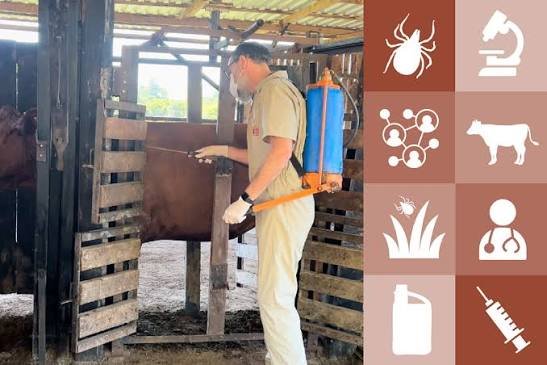
How the Regulatory Process Works
The framework combines pre-dispatch examination with documentation and, where required, resistance testing.
Process element |
Regulatory or operational significance |
|---|---|
Pre-dispatch inspection |
Animals covered by the procedure are examined before movement, subject to the applicable requirements |
Accredited personnel |
Inspections are conducted by authorised technicians, veterinarians or other personnel designated under the framework |
FIDHA documentation |
Findings are recorded on the livestock inspection and dispatch form |
Electronic transit document |
The DT-e is part of the livestock movement documentation process; issuance depends on the applicable conditions being met |
Detection of live ectoparasites |
Animals may be refused movement under the relevant procedure until corrective requirements are satisfied |
Resistance assessment |
Bioassay testing can establish the degree of tick resistance to acaricides |
Follow-up at affected establishments |
Producers and accredited veterinarians must implement the measures prescribed for the relevant resistance classification |